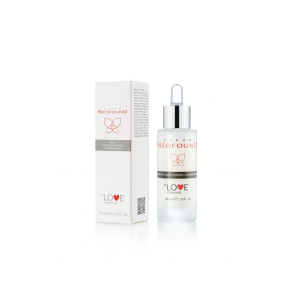

The pricing of tear trough fillers is influenced by several key factors, including the brand of the filler, the expertise of the practitioner, and the geographic location of the clinic. These elements, among others, can significantly impact the overall cost of the treatment.
Brand and Quality of Fillers
One of the primary factors affecting the pricing of tear trough fillers is the brand and quality of the product used. High-quality fillers from reputable brands tend to be more expensive due to their proven efficacy and safety profiles. These fillers are often backed by extensive research and are preferred by practitioners for their consistent results and reduced risk of complications.
Practitioner Expertise
The expertise and qualifications of the practitioner administering the treatment play a crucial role in determining the cost. Experienced practitioners with advanced training and a strong track record in aesthetic treatments may charge higher fees. Their expertise ensures precise application and optimal results, which can justify the higher pricing. Patients often seek out skilled professionals to minimise risks and achieve desirable outcomes.
Geographic Location and Clinic Reputation
The geographic location of the clinic can also influence pricing. Clinics situated in major cities or affluent areas may charge more due to higher operational costs and increased demand for services. Additionally, the reputation of the clinic itself can affect pricing. Renowned clinics with a history of satisfied clients and positive reviews may command higher prices, reflecting their established credibility and the quality of care provided.

When considering tear trough filler treatments, understanding the factors influencing costs can aid in making informed decisions. The brand and quality of fillers are pivotal, as premium products from well-known manufacturers ensure safety and effectiveness, albeit at a higher price point.
Furthermore, the practitioner’s expertise is a significant consideration. Experienced professionals with specialised training often charge more, reflecting their ability to deliver superior results and minimise risks associated with the procedure.
Lastly, geographic location and clinic reputation contribute to pricing variations. Clinics in urban centres or upscale areas typically have higher prices due to increased demand and operational expenses. The reputation of a clinic, built on client satisfaction and successful outcomes, can also justify higher costs, providing assurance of quality service.