
The average cost of under eye fillers can vary significantly depending on various factors, including the type of filler used, the expertise of the practitioner, and the geographic location of the treatment. On average, prices in the UK can range from £250 to £500 per session. It is crucial to understand that while cost is a significant consideration, the quality and safety of the procedure should be prioritised to achieve optimal results and minimise risks.
Factors Affecting the Cost of Under Eye Fillers
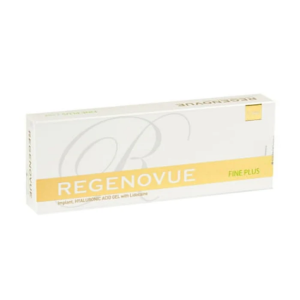
The type of filler used is a primary determinant of cost. Common fillers include hyaluronic acid-based products such as Restylane and Juvederm, which are popular due to their efficacy and safety profile. These fillers tend to be more expensive due to their high-quality ingredients and proven track record. Additionally, the practitioner’s expertise and experience also influence the cost. Highly trained and reputable practitioners may charge more, reflecting their skill level and the quality of care provided.
Geographical Variations in Pricing
Geographical location plays a significant role in the cost of under eye fillers. In metropolitan areas or cities with a high demand for aesthetic treatments, prices may be higher due to increased operational costs and competition among clinics. Conversely, clinics in less urbanised areas might offer the same services at a lower price. It is advisable to consider these differences when budgeting for the procedure.
Importance of Consultation and Customisation
Prior to undergoing treatment, a thorough consultation with a qualified practitioner is essential. This consultation should include a discussion of the patient’s specific needs, desired outcomes, and any potential risks associated with the procedure. This personalised approach ensures that the most appropriate type of filler is selected, which can impact the cost. Customisation of the treatment plan to suit individual requirements is key to achieving satisfactory results and maintaining patient safety.

Under eye fillers are increasingly popular for their ability to address dark circles, hollowness, and signs of aging. The cost of these treatments is influenced by the type of filler used, with hyaluronic acid-based fillers being a common choice due to their safety and effectiveness. These fillers generally cost more, reflecting their quality and the results they provide.
Practitioner expertise is another factor affecting cost. Experienced practitioners may charge higher fees, but their skills and knowledge can contribute to a safer procedure and better outcomes. It is advisable to select a practitioner based not only on cost but also on their qualifications and reputation.
Location also impacts pricing, with urban areas often seeing higher costs due to increased demand and overheads. Patients should consider all these factors when planning their treatment, ensuring they receive safe, effective care that justifies the investment.