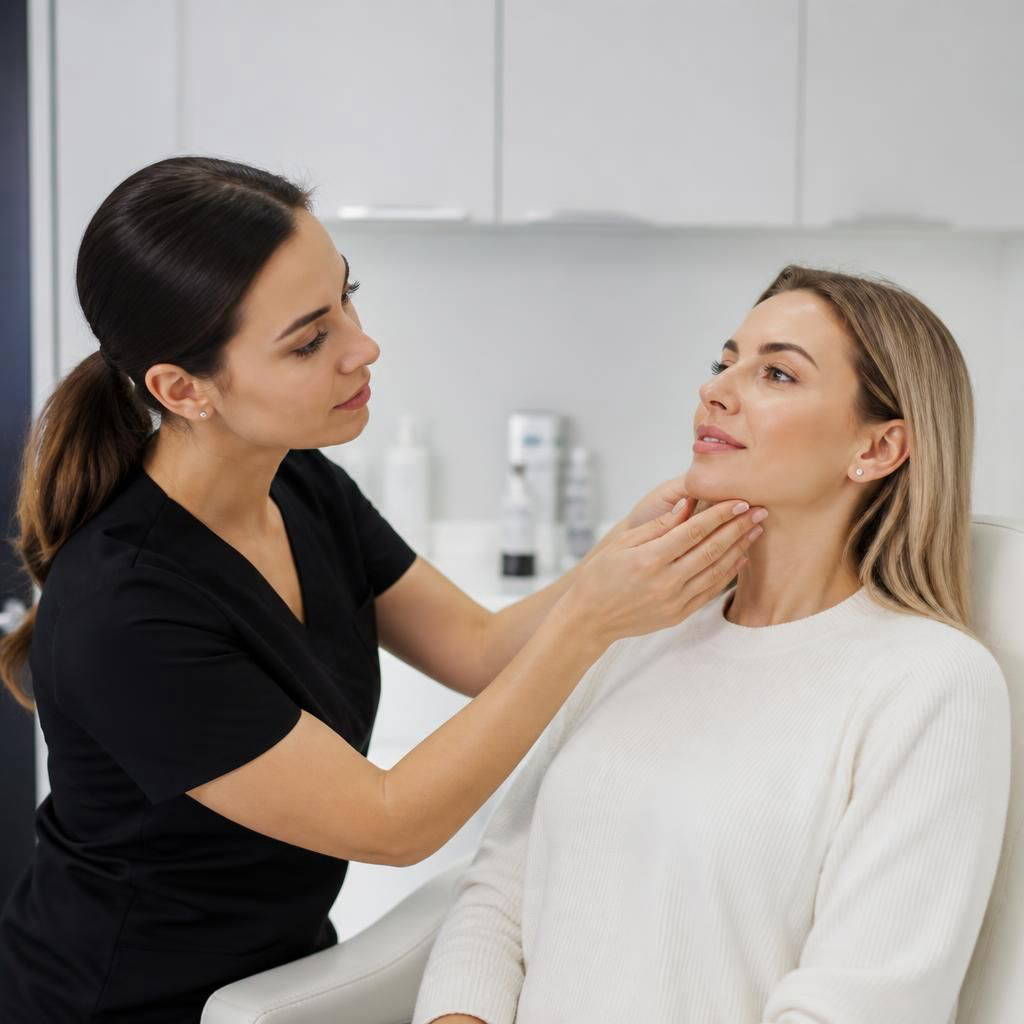

Belkyra, known as Kybella in some regions, is a non-surgical treatment used to reduce fat in targeted areas, particularly under the chin. Generally, it is considered safe for all skin types, but there are essential factors to consider before proceeding with the treatment. A thorough consultation with a qualified practitioner is crucial to determine individual suitability, as skin types can vary in sensitivity and reaction to treatments.
Understanding Skin Types
The Fitzpatrick scale classifies skin types from I to VI, ranging from very fair to very dark skin. Each type has different characteristics, such as sensitivity to sunlight, propensity to burn, and risk of pigmentation changes. These factors can influence how skin reacts to treatments like Belkyra. Generally, Belkyra is designed to be safe across this spectrum, but individual skin characteristics and conditions should be assessed by a professional.
Considerations for Treatment
Before undergoing Belkyra treatment, it’s essential to assess any pre-existing skin conditions, such as eczema, psoriasis, or severe acne, which may affect the skin’s response. Additionally, those with a history of allergic reactions or specific medical conditions should disclose this information to their practitioner. This ensures a comprehensive evaluation and minimizes potential risks.
Consultation and Expertise
Seeking treatment from a qualified and experienced practitioner is imperative for safety and efficacy. Professionals will conduct a thorough assessment of your skin type, condition, and medical history to ensure the procedure’s suitability. They will also discuss the expected outcomes, potential side effects, and post-treatment care to ensure informed decision-making.
Belkyra is generally safe for all skin types, provided a qualified practitioner conducts a comprehensive assessment. This evaluation considers individual skin characteristics, medical history, and potential risks, ensuring a tailored and safe approach to treatment.
Pre-existing skin conditions or a history of allergies may require additional precautions or alternative treatments. Discussing these aspects during consultation is vital to mitigate risks and achieve the desired results effectively.
Ultimately, the safety and success of Belkyra treatment depend on professional expertise and thorough patient evaluation. Ensure your practitioner is experienced in administering the treatment and adheres to best practices for optimal results, regardless of skin type.