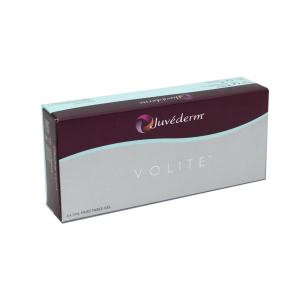

Dissolving cheek filler is generally considered safe when performed by a qualified professional, but it does come with potential risks and side effects. These can range from mild and temporary to more serious complications. It is important for practitioners and clients to be aware of these possibilities to ensure informed decisions and appropriate care.
Understanding the Procedure
The process of dissolving cheek filler involves the injection of hyaluronidase, an enzyme that breaks down hyaluronic acid-based fillers. Hyaluronidase acts quickly, often beginning to dissolve the filler within minutes, although the full effect may take a few days. While the procedure is effective, it is crucial to ensure that the practitioner is experienced, as incorrect administration can lead to complications.
Potential Risks and Side Effects
Common side effects include swelling, bruising, and redness at the injection site. These are usually mild and resolve within a few days. However, there is a risk of allergic reactions to hyaluronidase, which can present as itching, rash, or more severe symptoms such as difficulty breathing. Furthermore, there is a possibility of over-dissolution, leading to volume loss beyond the intended area.
Ensuring Safe Practice
To minimise risks, it is essential for clients to consult with a qualified and experienced practitioner. A thorough consultation should be conducted to discuss medical history, allergies, and previous filler treatments. Practitioners should also be prepared to manage any adverse reactions swiftly. Additionally, clients should follow post-treatment care instructions to aid recovery and monitor for any unusual symptoms.

Dissolving cheek filler can lead to several side effects, although they are usually temporary. Swelling and bruising are common, as is some redness at the site of injection. These symptoms typically subside within a few days. However, more serious concerns, such as allergic reactions to the enzyme used, can occur, necessitating immediate medical attention.
Another potential risk is the over-dissolution of filler, which can result in more volume being lost than intended. This can lead to an imbalance in facial symmetry, requiring further treatment to correct. It is essential that the procedure is carried out by a skilled professional to minimise such risks.
Practitioners should ensure they are well-informed and prepared to handle any complications. They must conduct thorough consultations and follow-up assessments to ensure the safety and satisfaction of their clients. Clients, in turn, should be encouraged to report any unusual or persistent symptoms promptly.