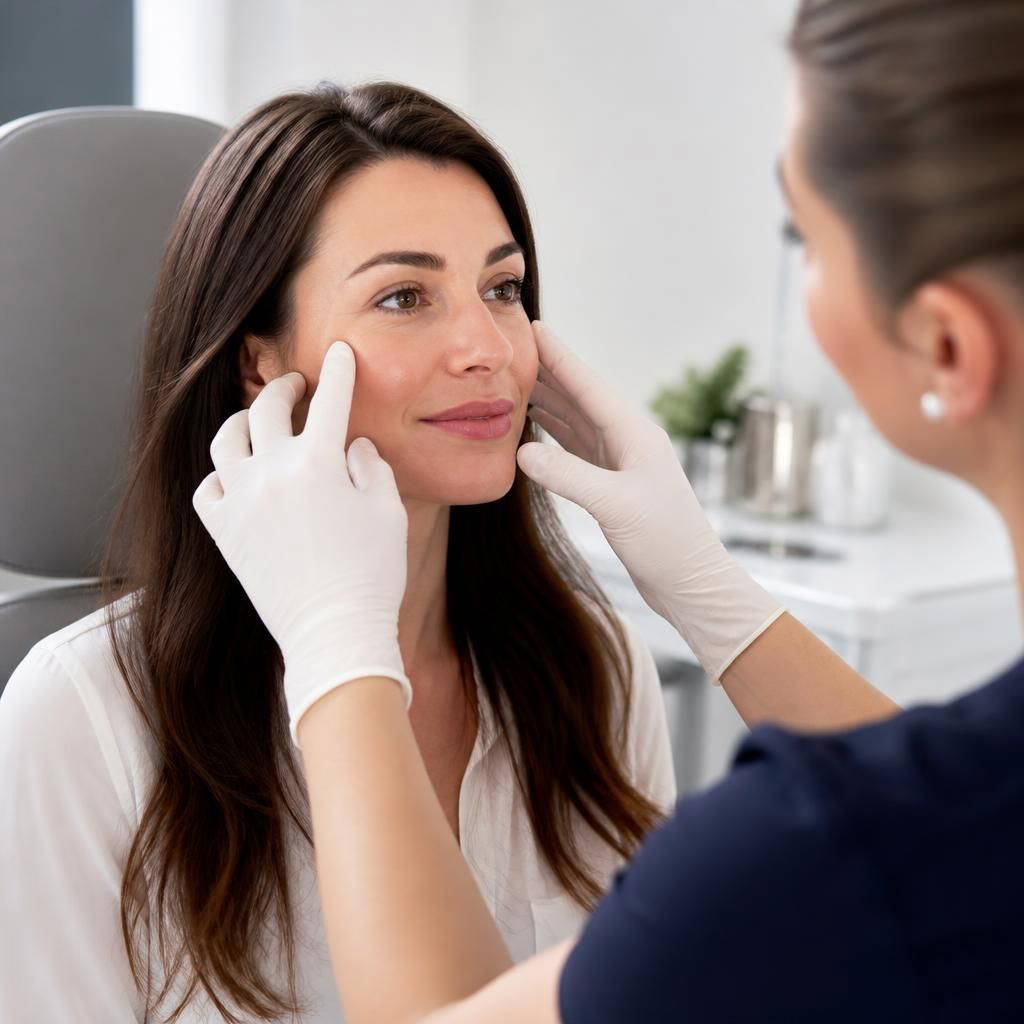

Using dissolving cheek filler involves several safety measures to ensure optimal results and minimise potential complications. It is crucial for practitioners to be well-trained and adhere to established guidelines to maintain patient safety and achieve the desired aesthetic outcomes. Understanding the product, its application, and post-treatment care are essential components of a successful procedure.
Understanding the Product
Before administering dissolving cheek fillers, it is vital to have a comprehensive understanding of the product being used. This includes knowledge of its composition, how it interacts with the body, and any potential side effects or contraindications. Practitioners should ensure that the filler is sourced from reputable suppliers and has been approved for use in the intended treatment area.
Proper Training and Technique
Proper training is paramount when using dissolving cheek fillers. Practitioners should be certified and possess extensive knowledge of facial anatomy to avoid complications such as vascular occlusion or asymmetry. The technique used in administering the filler plays a critical role in ensuring safety and achieving natural-looking results. Practitioners must stay updated with the latest advancements and best practices within the field.
Post-Treatment Care
Aftercare is an integral part of the treatment process when using dissolving cheek fillers. Patients should be provided with clear instructions on what to expect post-procedure and how to care for their skin to prevent infection or adverse reactions. Practitioners should be available for follow-up consultations to monitor the patient’s progress and address any concerns promptly.
Prior to undergoing treatment with dissolving cheek fillers, a thorough consultation is essential. This allows the practitioner to assess the patient’s medical history, discuss expectations, and determine suitability for the procedure. Clear communication ensures that patients are fully informed of potential risks and outcomes.
During the procedure, maintaining a sterile environment is crucial to prevent infections. Practitioners should use the correct tools and aseptic techniques to minimise the risk of complications. Ensuring the patient is comfortable and aware of each step can also aid in alleviating anxiety and enhancing the overall experience.
Finally, having a contingency plan in place for managing adverse reactions is a vital safety measure. Practitioners should be prepared to address any complications that arise swiftly, ensuring patient safety is prioritised at all times. This readiness contributes to maintaining trust and confidence in aesthetic treatments.