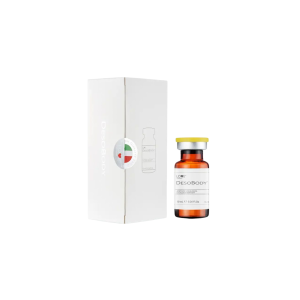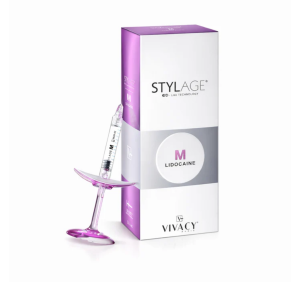

Dermal fillers are commonly used to address wrinkles and lines on the forehead and glabellar areas, but sometimes it may be necessary to dissolve these fillers. Dissolving fillers involves the use of an enzyme called hyaluronidase, which breaks down the hyaluronic acid in the fillers, allowing the body to absorb and metabolise them naturally. This process is effective for correcting overfilling, asymmetry, or any adverse effects following filler treatment.
Understanding the Role of Hyaluronidase
Hyaluronidase is an enzyme that specifically targets hyaluronic acid, a natural substance found in the skin and the main component of many dermal fillers. When injected into the area where the filler is located, hyaluronidase breaks down the hyaluronic acid chains into smaller fragments. This breakdown allows the body’s natural metabolic processes to absorb and eliminate the filler material more quickly than it would on its own. The effectiveness of this process is largely dependent on the amount of filler used and the individual’s metabolism.
Application and Procedure
The procedure for dissolving fillers is relatively straightforward and usually performed by a trained aesthetic practitioner. After a thorough assessment, the practitioner injects hyaluronidase directly into the area where the filler needs to be dissolved. The enzyme works rapidly, and results can often be seen within 24 to 48 hours, although complete resolution may take longer depending on the volume of filler being addressed. It is important to note that the process typically involves minimal discomfort, and any potential side effects are usually mild and temporary.
Benefits and Considerations
Dissolving fillers offers a practical solution for those who are unsatisfied with the results of their initial filler treatment. It allows for precise correction of overfilled areas, reducing the appearance of lines and creating a more natural look. However, it is crucial to have this procedure performed by a qualified professional to minimise risks and ensure the desired outcome. Additionally, patients should be aware that while hyaluronidase is effective, it may also dissolve some of the body’s natural hyaluronic acid, potentially affecting skin volume temporarily.
Dissolving fillers in the forehead and glabellar areas is a process that provides a corrective measure for aesthetic treatments. The use of hyaluronidase allows practitioners to target and reduce the presence of hyaluronic acid-based fillers, effectively managing any overcorrection or unsatisfactory results from the initial application.
The procedure is generally quick and involves injecting the enzyme directly into the area where the filler is present. This targeted approach ensures that the enzyme works efficiently to break down the filler material, facilitating natural absorption by the body. Patients usually notice improvements shortly after the treatment, with minimal downtime required.
Overall, the ability to dissolve fillers offers a flexible option for both practitioners and patients, enhancing the overall satisfaction and safety of dermal filler treatments. By understanding the process and benefits, individuals can make informed decisions about managing their aesthetic outcomes.