
Cheek rejuvenation costs can vary significantly based on several factors, including the type of treatment chosen, the practitioner’s expertise, and the geographical location of the clinic. While some options may be more affordable, others could require a more substantial investment. Understanding these costs can help both clients and practitioners make informed decisions.
Types of Cheek Rejuvenation Treatments
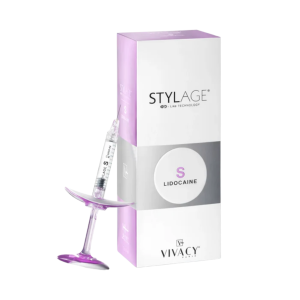
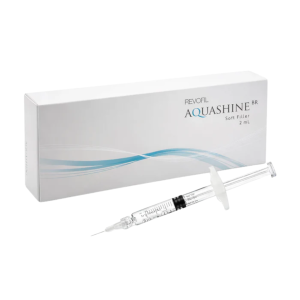
Cheek rejuvenation encompasses various treatments, each with its unique pricing. Dermal fillers are a popular option and can range from £200 to £600 per session, depending on the brand and volume used. Alternatively, mesotherapy, which involves injecting vitamins and minerals into the skin, may cost between £100 and £300 per session. Surgical options, such as cheek implants, tend to be more expensive, often exceeding £2,000. Understanding the specific needs and desired outcomes can guide the selection of the most appropriate and cost-effective treatment.
Factors Influencing Costs
Several factors can influence the costs associated with cheek rejuvenation. The experience and reputation of the practitioner can significantly impact pricing, as highly skilled professionals may charge more for their expertise. Additionally, the clinic’s location plays a role; treatments in metropolitan areas often come with a higher price tag compared to those in less urban settings. The complexity of the procedure and the number of sessions required also contribute to the overall cost. Clients should consider these factors when budgeting for cheek rejuvenation treatments.
Consultation and Additional Costs
Before undergoing cheek rejuvenation, a consultation with a qualified practitioner is essential. This initial meeting, which can range in cost from free to approximately £100, helps determine the most suitable treatment plan. It’s important to note that additional costs may arise, such as post-treatment care products or follow-up appointments. These can add to the overall expense, so clients should inquire about all potential costs during the consultation. Having a comprehensive understanding of the financial aspects ensures a transparent and satisfactory experience for both the client and practitioner.

Cheek rejuvenation costs are influenced by the choice of treatment. Non-invasive options like dermal fillers provide temporary results and are generally less expensive, while surgical procedures, offering more permanent outcomes, require a higher financial commitment. Understanding the benefits and limitations of each treatment type is crucial for cost-effective decision-making.
Geographical location plays a significant role in pricing. Clinics in urban areas typically charge more due to higher operating expenses. Clients should also consider the practitioner’s expertise, as experienced professionals may command higher fees, reflecting their skill level and the quality of results they provide.
Additional expenses can arise from consultations and post-treatment care. It’s essential for clients to discuss these potential costs during initial consultations to avoid surprises. By evaluating all financial aspects, clients and practitioners can ensure transparent communication and satisfactory outcomes from cheek rejuvenation treatments.