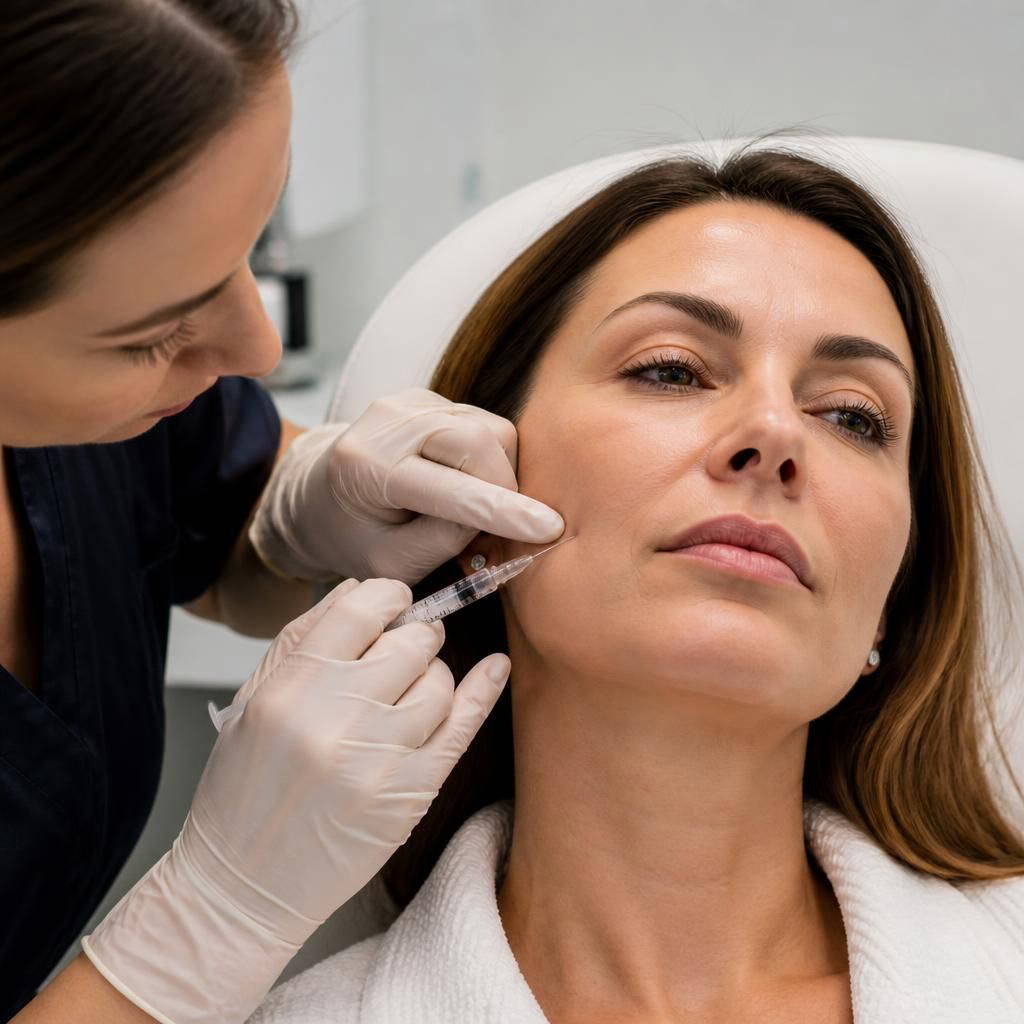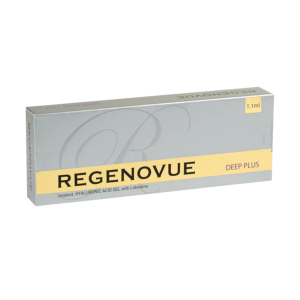

The process of dissolving dermal fillers involves the use of an enzyme called hyaluronidase, which breaks down hyaluronic acid-based fillers. This procedure is typically carried out by a qualified aesthetic practitioner who injects the enzyme into the area where the filler has been applied. The enzyme acts quickly to dissolve the filler, often within 24 to 48 hours, allowing for adjustments or complete removal of the filler if necessary.
Understanding Hyaluronidase
Hyaluronidase is a naturally occurring enzyme in the body that helps in the breakdown of hyaluronic acid, the primary component of many dermal fillers. When injected, hyaluronidase accelerates the natural degradation process of the filler, providing a reliable solution for correcting overfilling, asymmetry, or complications. This enzyme is generally safe when used by trained professionals, although an allergy test may be recommended prior to the procedure to ensure no adverse reactions occur.
Procedure and Expectations
The procedure for dissolving dermal fillers is relatively quick and straightforward. Aesthetic practitioners begin by assessing the area to determine the appropriate amount of hyaluronidase needed. After cleansing the area, the enzyme is injected directly into the filler site. Patients may experience minor discomfort similar to the initial filler injection, but this usually subsides quickly. The results can often be seen within a few hours to a couple of days, depending on the extent of the filler and individual patient factors.
Safety and Considerations
While the use of hyaluronidase is generally safe, it is crucial to have the procedure performed by a qualified practitioner to minimise risks. Potential side effects include swelling, redness, and tenderness at the injection site, which are typically temporary. A thorough consultation before the procedure is essential to discuss any potential allergies, previous reactions to fillers, or other concerns. Patients should also be informed that hyaluronidase will only dissolve hyaluronic acid-based fillers and not other types of fillers.
Dissolving dermal fillers with hyaluronidase is an effective way to reverse unwanted results or complications from filler treatments. This enzyme specifically targets hyaluronic acid, ensuring that the breakdown is precise and controlled. Patients often choose this option when adjustments are needed or if the filler has migrated from its original placement.
The quick action of hyaluronidase means that patients do not have to wait long to see the results of the dissolution. This makes it an appealing option for those looking to correct filler placement or address overfilling promptly. The procedure is minimally invasive and can often be completed within a short appointment.
Overall, the process of dissolving dermal fillers is a safe and effective method for managing the outcomes of aesthetic treatments. It offers a solution for achieving desired aesthetic goals and maintaining patient satisfaction. Practitioners should ensure that they are well-versed in the use of hyaluronidase to provide the best care possible.