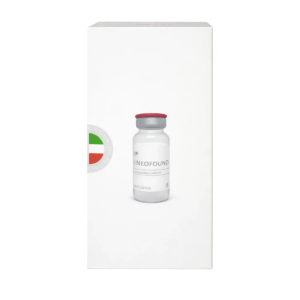

The cost of Aqualyx fat dissolving treatments can vary significantly based on several factors. These include the geographical location of the clinic, the level of expertise and qualifications of the practitioner, the number of sessions required, and the specific areas of the body being treated. Understanding these variables can help both practitioners and patients anticipate the overall investment involved in these treatments.
Geographical Location
One of the most significant factors affecting the cost of Aqualyx treatments is the location of the clinic. Prices can vary widely between urban and rural areas, with clinics in major cities generally charging higher fees. This is often due to the cost of living and operational expenses being higher in city centres. Moreover, clinics in affluent areas might charge more due to their clientele’s willingness to pay premium prices for convenience and exclusivity.
Practitioner Expertise
The qualifications and experience of the practitioner administering the treatment can also greatly influence the cost. Highly qualified and experienced practitioners may charge more due to their expertise and reputation in the field. Patients often seek out practitioners with a proven track record for safety and efficacy, which can justify higher fees. Furthermore, practitioners who continually update their skills and knowledge through advanced training might also command higher prices.
Number of Sessions and Treatment Area
The number of sessions required to achieve the desired results will impact the overall cost of Aqualyx treatments. Some patients may require multiple sessions, especially if they are targeting large or multiple areas. Additionally, the specific area of the body being treated can affect pricing. Treating larger areas, such as the abdomen or thighs, might be more expensive compared to smaller areas like the chin or arms due to the amount of product needed and the complexity of the treatment.

When considering the cost of Aqualyx fat dissolving treatments, it is crucial to account for the practitioner’s expertise. Experienced practitioners often charge more due to their proficiency and established reputation, which can assure patients of a higher standard of care and results.
Additionally, the geographical location of the clinic plays a significant role. Urban centres tend to have higher operational costs, which can translate into increased fees for treatments. Clinics in metropolitan areas often cater to a client base that expects premium services, influencing overall pricing strategies.
Lastly, the number of sessions and the specific treatment areas are pivotal in determining the total cost. Larger or multiple areas may necessitate more sessions, thereby increasing the expense. Understanding these factors can help manage expectations regarding the financial investment required for Aqualyx treatments.