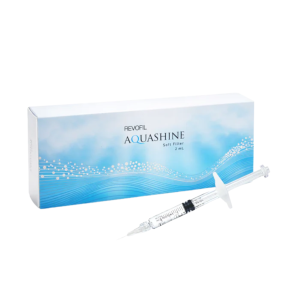

Fat dissolvers, also known as lipolytic injections, can be used both at home and in professional settings, but it is essential to approach their use with caution. While some products are available for personal use, it is generally recommended that these treatments be administered by trained professionals to ensure safety and efficacy. The decision to use fat dissolvers at home should be informed by a comprehensive understanding of the product, its application, and potential risks.
Understanding Fat Dissolvers
Fat dissolvers are injectable treatments designed to break down and eliminate fat cells in targeted areas of the body. They are primarily composed of substances that can dissolve the cell membranes of fat cells, allowing the body to naturally eliminate the broken-down fat. While these treatments can be effective, they also require precise application and an understanding of the anatomy involved, which is why professional administration is often recommended.
The Importance of Professional Guidance
Professional practitioners have the training and experience necessary to administer fat dissolvers safely. They are equipped to assess individual needs, determine appropriate dosages, and manage any adverse reactions that may occur. The expertise of a professional can prevent complications and ensure that the treatment is both safe and effective, reducing the risk of uneven results or skin damage.
Potential Risks of Home Use
Using fat dissolvers at home without professional guidance can pose several risks. Improper injection technique can lead to complications such as infection, bruising, and nerve damage. Additionally, without a comprehensive understanding of the product and its effects, users may experience uneven fat reduction or skin irregularities. Therefore, it is crucial to weigh these risks against the potential benefits when considering home use of fat dissolvers.
While it is possible to use fat dissolvers at home, it is crucial to be aware of the associated risks and challenges. Without professional training, the likelihood of incorrect application increases, potentially leading to adverse effects. Therefore, individuals considering home use should thoroughly research and understand the product.
Consulting with a qualified professional before attempting to use fat dissolvers at home is advisable. Professionals can provide valuable insights into the procedure, appropriate doses, and safety measures, ensuring a more informed decision-making process. This guidance can significantly enhance the safety and effectiveness of the treatment.
Ultimately, while home use of fat dissolvers is an option, prioritising safety and efficacy is paramount. For those untrained, opting for professional administration may be the best course of action to achieve desired results without compromising health. Weighing the benefits of convenience against potential risks is essential for making an informed choice.