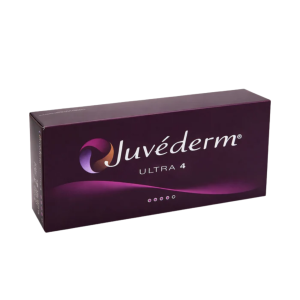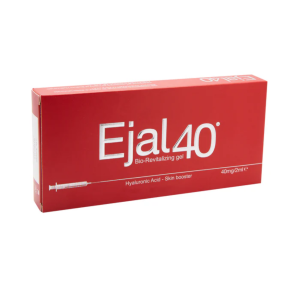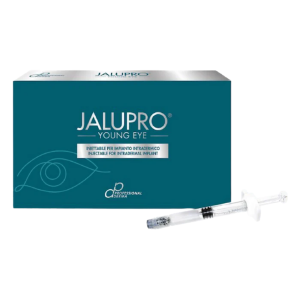

Fat injections and fat dissolvers serve distinctly different purposes in aesthetic treatments, each with unique applications and outcomes. Fat injections, also known as fat grafting or fat transfer, involve harvesting fat from one part of the body and injecting it into another to enhance volume and contour. Conversely, fat dissolvers are solutions designed to break down and eliminate unwanted fat deposits, primarily for slimming or sculpting purposes.
Understanding Fat Injections
Fat injections are popular procedures aimed at augmenting or restoring volume to areas such as the face, hands, breasts, or buttocks. The process involves liposuction to remove fat from a donor site, such as the abdomen or thighs, which is then purified and reinjected into the target area. This technique is praised for using the patient’s tissue, minimising the risk of allergic reactions or rejection. However, it requires a surgical procedure, which can be more invasive and entail a longer recovery period compared to non-surgical options.
Exploring Fat Dissolvers
Fat dissolvers, on the other hand, are non-surgical injectable treatments that target small pockets of fat resistant to diet and exercise. They contain compounds that break down fat cells, which the body then naturally eliminates through its metabolic processes. This method is less invasive and typically involves minimal downtime. However, the results can be less dramatic than those achieved with surgical fat removal or redistribution methods, and multiple sessions may be needed to achieve the desired effect.
Comparative Outcomes and Considerations
When choosing between fat injections and fat dissolvers, it is crucial to consider the desired outcome, the area of treatment, and the patient’s overall health and preferences. Fat injections are ideal for patients looking to increase volume and contour in specific areas, offering a more permanent solution with potentially more significant changes in appearance. Conversely, fat dissolvers are suited for individuals aiming to reduce small, stubborn fat deposits without undergoing surgery. Both treatments have their advantages and limitations, and a thorough consultation with a qualified practitioner is essential to determine the most suitable option.
Fat injections and fat dissolvers cater to different aesthetic goals and treatment preferences. Fat injections are best suited for those looking to enhance volume and shape, offering more substantial and lasting results. In contrast, fat dissolvers provide a non-invasive option for reducing small, stubborn fat deposits, ideal for those seeking less dramatic changes or unwilling to undergo surgery.
Both procedures have their benefits and limitations, and the choice largely depends on the patient’s specific needs and desired outcomes. It’s essential to consider factors such as recovery time, invasiveness, and the permanence of results when deciding between the two.
Consultation with a skilled practitioner is crucial in determining the most appropriate treatment. They can provide tailored advice based on individual circumstances, ensuring the chosen procedure aligns with the patient’s expectations and health profile.