
Managing swelling after fat dissolver injections involves a combination of proper aftercare and lifestyle adjustments. It is essential to follow the guidance provided by your practitioner to ensure optimal results and minimise discomfort. Swelling is a common side effect of fat dissolver treatments, but with the right techniques, it can be effectively managed, allowing you to return to your daily activities with minimal disruption.
Understanding Swelling Post-Injection
Swelling is a natural inflammatory response of the body to the introduction of substances like fat dissolvers. This reaction is part of the healing process and typically subsides within a few days to a week. However, the extent of swelling can vary depending on individual factors such as the area treated, the amount of product used, and your body’s unique response. By understanding this process, you can better prepare and implement strategies to alleviate discomfort.
Effective Aftercare Practices
Post-treatment care plays a pivotal role in managing swelling. Applying a cold compress to the treated area can help reduce inflammation and soothe the skin. It is advisable to apply the compress intermittently for the first 24 to 48 hours. Additionally, keeping your head elevated, especially when sleeping, can prevent excessive fluid accumulation. Avoid vigorous activities and heat exposure, such as saunas and hot baths, which can exacerbate swelling. Staying hydrated and maintaining a healthy diet rich in anti-inflammatory foods can also support the body’s healing process.
Consultation and Professional Advice
Always consult with your practitioner for personalised advice tailored to your specific treatment and condition. They can provide insights into what to expect post-injection and recommend products or medications that may aid in reducing swelling. It is crucial to adhere to their instructions and attend any follow-up appointments to monitor your progress. In cases where swelling persists or is accompanied by severe discomfort, professional evaluation is necessary to rule out any complications.
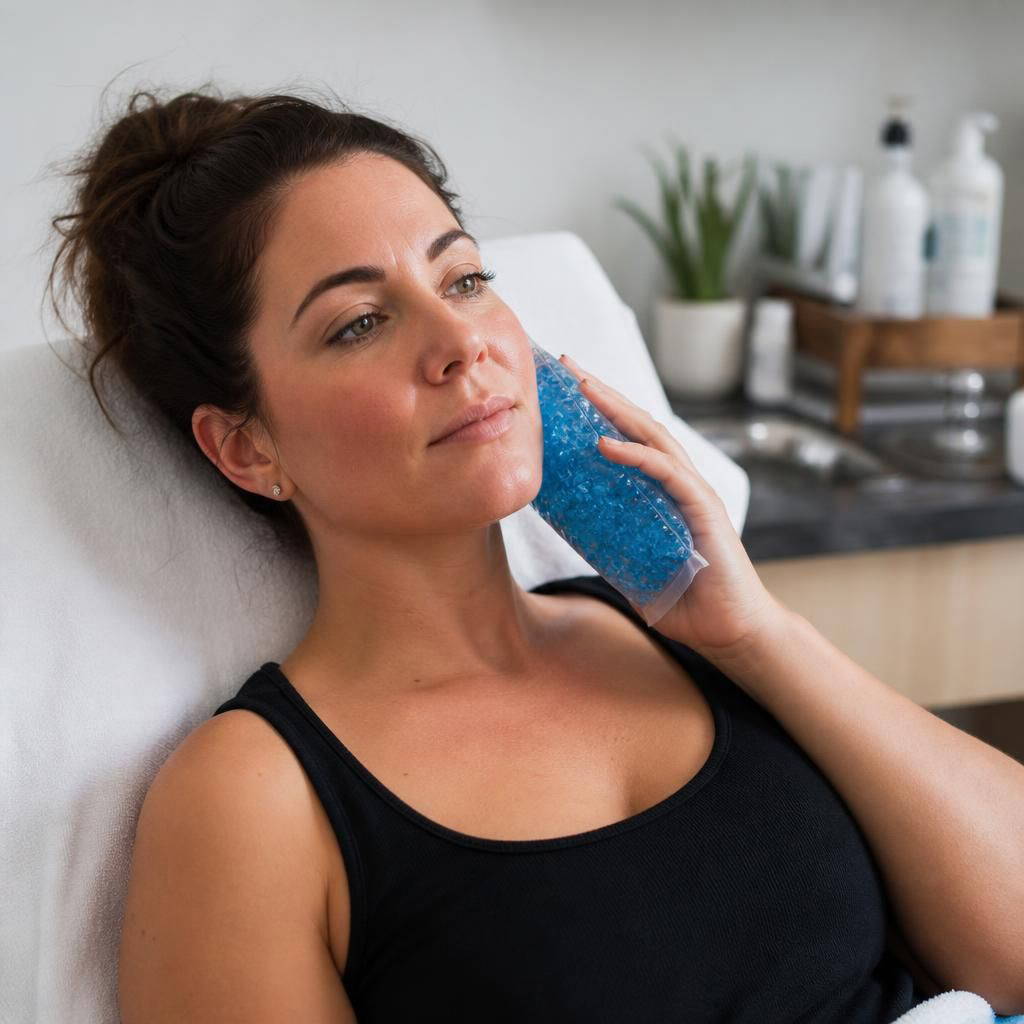
Swelling management begins immediately after the procedure. Applying a cold compress to the treated area can significantly reduce initial inflammation. This should be done in intervals to prevent skin damage while effectively soothing the area.
Incorporating a gentle approach to daily activities can also aid in managing swelling. Avoiding strenuous exercises and keeping the head elevated during rest can help in minimising fluid retention in the treated areas. These simple adjustments can make a noticeable difference in recovery.
Lastly, maintaining open communication with your healthcare provider is crucial. They can offer tailored advice based on your individual response to the treatment and provide additional support if needed. This collaborative approach ensures that any concerns are promptly addressed, facilitating a smoother recovery process.