
Using fat dissolvers in the tear trough area does come with potential risks. While they can offer aesthetic improvements, it is paramount to understand the associated complications that may arise from such procedures. The tear trough, an area under the eyes, is delicate and requires careful consideration before any treatment. Practitioners must be aware of the possible side effects to ensure patient safety and satisfaction.
Understanding the Tear Trough Area
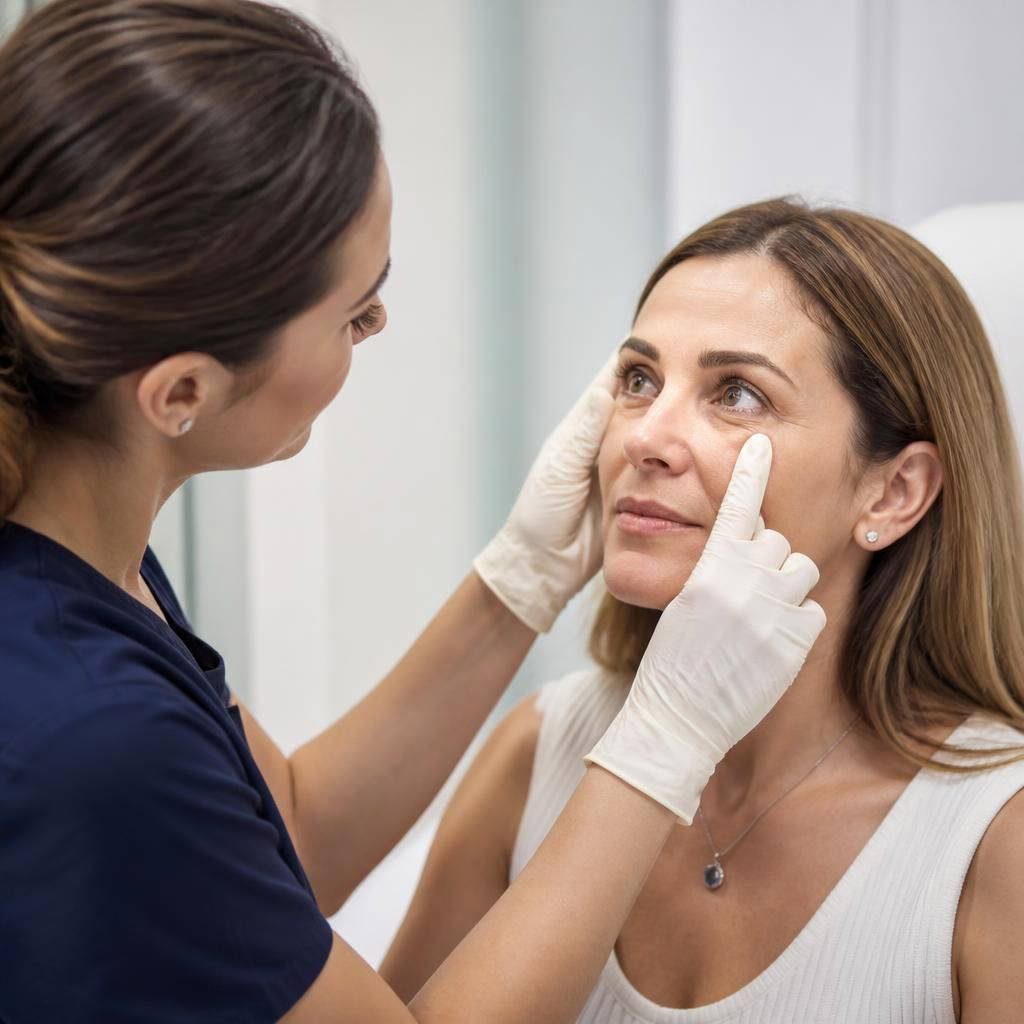
The tear trough is a sensitive region located between the lower eyelid and the upper cheek. Due to its delicate nature, it is prone to issues such as puffiness and dark circles. Fat dissolvers are often considered to address these concerns by reducing excess fat deposits. However, the thin skin in this area makes it susceptible to adverse reactions, highlighting the need for precision and expertise during treatment.
Potential Risks and Complications
Several risks are associated with the use of fat dissolvers in the tear trough area. Common side effects include swelling, bruising, and redness, which may subside over time. More severe complications can include infection, allergic reactions, and tissue damage. In rare instances, patients may experience uneven results or long-term changes in skin texture. It is crucial for practitioners to conduct thorough consultations and assessments to mitigate these risks effectively.
Ensuring Safe Practices
To minimise the risks associated with fat dissolvers, it is essential to follow best practices and use high-quality products. Practitioners should be well-trained and experienced in performing treatments in sensitive areas. Pre-treatment assessments should be comprehensive, and aftercare advice should be clearly communicated to clients. By adhering to these guidelines, the likelihood of adverse effects can be significantly reduced, ensuring a safer and more effective treatment outcome.
Fat dissolvers can offer aesthetic benefits for individuals seeking to address concerns in the tear trough area. However, it is important to proceed with caution due to the inherent risks involved. The thin skin and proximity to critical structures make this area particularly sensitive, requiring skilled application by trained professionals.
Common side effects such as bruising and swelling can occur but usually resolve over time. Practitioners must ensure that clients are well-informed about the potential for these temporary reactions. In more severe cases, complications such as infection or tissue damage may arise, underscoring the necessity for meticulous technique and post-treatment care.
To mitigate risks, it is vital to select a qualified practitioner who uses reputable products and follows industry best practices. Comprehensive consultations and detailed aftercare instructions are essential in minimising risks and achieving the desired aesthetic results safely.