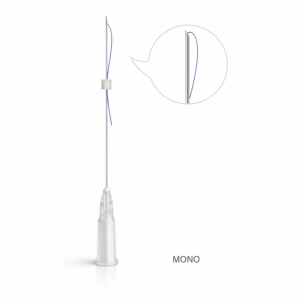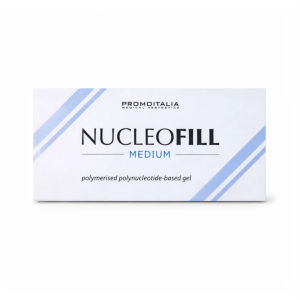

The price of dermal fillers for under-eye troughs in aesthetic clinics is influenced by several key factors. These include the brand and type of filler used, the expertise and reputation of the practitioner, the geographic location of the clinic, and the complexity of the procedure. Understanding these elements can help both clinics and clients make informed decisions about the cost of treatments.
Brand and Type of Filler
One of the primary factors affecting the cost of dermal fillers is the brand and type of filler chosen. Different brands offer a variety of products that differ in terms of their ingredients, longevity, and effectiveness. Some high-end brands may use advanced technology or proprietary formulas, which can result in higher prices. Additionally, fillers designed specifically for delicate areas such as the under-eye troughs often require more precision and may be priced higher due to their specialized nature.
Practitioner’s Expertise and Reputation
The expertise and reputation of the practitioner administering the dermal fillers also play a significant role in determining the price. Experienced practitioners who have built a solid reputation in the field often charge more for their services. This is due to their advanced skills, extensive training, and proven track record of successful outcomes, which provide clients with greater confidence and assurance of quality results.
Geographic Location and Clinic Overheads
The geographic location of the clinic can significantly impact the pricing of dermal fillers. Clinics situated in major cities or affluent areas may have higher operating costs, which can translate to higher prices for treatments. Additionally, clinics with luxurious settings or those offering a comprehensive range of services may incorporate these factors into their pricing structure. Understanding these influences can help clients make informed comparisons when considering treatment options.
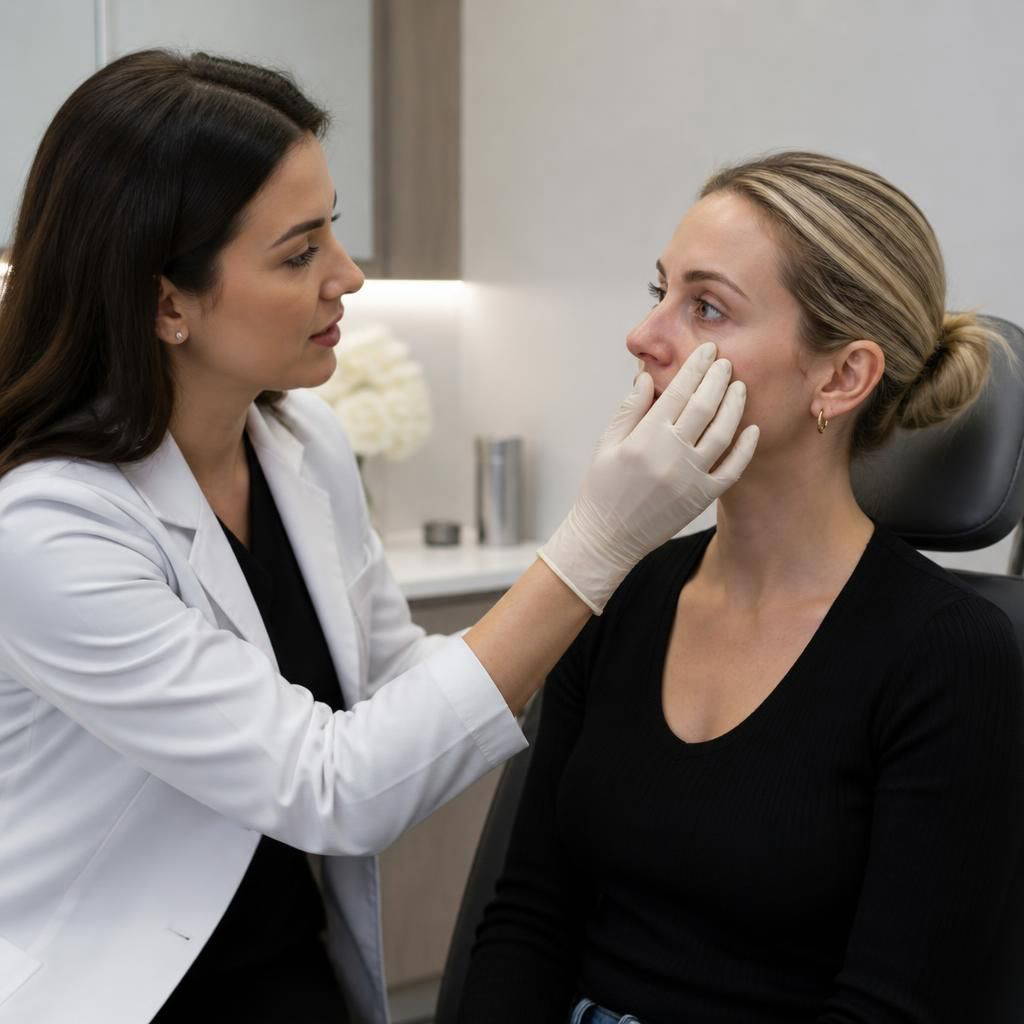
The complexity of the procedure is another crucial factor influencing the cost of dermal fillers for under-eye troughs. Treating this delicate area requires precision and expertise, often necessitating additional time and care. This complexity can lead to higher costs due to the increased skill required to achieve optimal results without complications.
Moreover, the volume of filler required for effective treatment can affect pricing. Some individuals may need more filler to achieve their desired results, impacting the overall cost. The practitioner will assess the client’s needs and recommend the appropriate volume, which directly influences the price of the procedure.
Finally, clinics may offer package deals or loyalty programmes that affect pricing. These incentives can provide cost savings for regular clients or those opting for multiple treatments. Understanding these factors allows clients to better navigate pricing variations and make informed decisions about their aesthetic treatments.