
Facial mesotherapy is a popular treatment for rejuvenating the skin, but it is important for potential clients to be aware of possible side effects. Generally, the side effects are mild and temporary, but they can vary depending on individual skin types and the specific products used during the procedure. Common side effects include redness, swelling, and bruising at the injection site, which typically resolve within a few days.
Understanding Facial Mesotherapy
Facial mesotherapy involves the injection of vitamins, enzymes, and other beneficial substances into the mesodermal layer of the skin. This process aims to nourish and rejuvenate the skin, improving its overall appearance. While it is generally considered safe, the treatment does carry some risk of side effects. It’s essential for practitioners to conduct a thorough consultation to assess the client’s suitability for the procedure, ensuring any potential risks are minimised.
Common Side Effects
The most common side effects of facial mesotherapy include temporary redness, swelling, and bruising at the injection sites. These reactions are generally mild and subside within a few days. In some cases, clients may experience itching or tenderness, which can be alleviated with appropriate aftercare. Ensuring that the procedure is performed by a trained professional can significantly reduce the likelihood of adverse outcomes.
Less Common but Notable Side Effects
Although rare, there are some less common side effects associated with facial mesotherapy. These can include allergic reactions to the substances injected, or infection at the injection sites if proper hygiene practices are not followed. In very rare cases, clients might experience persistent lumps or nodules under the skin. It is crucial for practitioners to use high-quality products and maintain strict aseptic techniques during the procedure to minimise these risks.
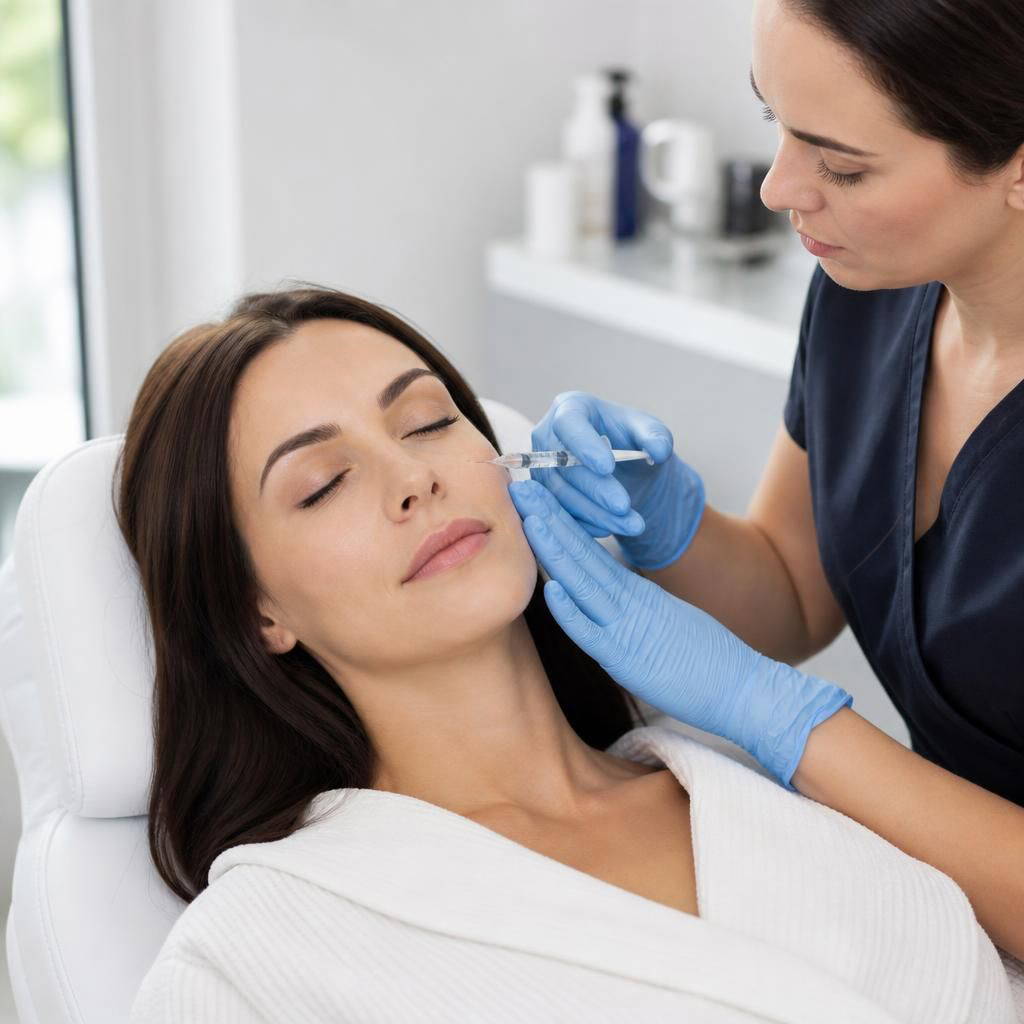
Facial mesotherapy, while generally considered safe, does come with potential side effects. These are typically mild and temporary, such as redness, swelling, and bruising at the sites of injection. These side effects are most often short-lived, resolving within a few days of treatment.
To further mitigate risks, it is vital that clients undergo a thorough consultation with their practitioner to assess their suitability for the treatment. This consultation should include a discussion of any allergies, previous skin reactions, and the client’s overall health. This proactive approach helps ensure that the treatment is both safe and effective.
In conclusion, while facial mesotherapy can provide significant skin rejuvenation benefits, being aware of and prepared for the possible side effects is essential. By choosing a qualified practitioner and undergoing a comprehensive pre-treatment assessment, clients can enjoy the benefits of mesotherapy with minimal risk.