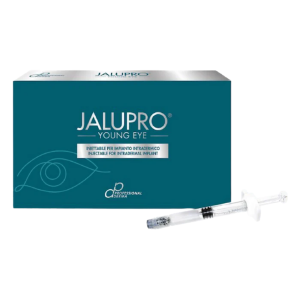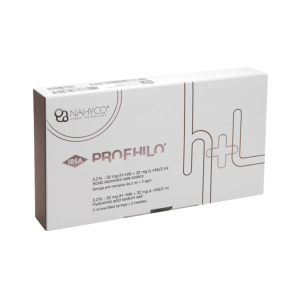

Mesotherapy is a widely used technique for facial treatments, including the reduction of mouth lines. While considered generally safe, it is important to be aware of potential side effects associated with this procedure. Common side effects are usually mild and temporary, but understanding them can help you make an informed decision.
Common Side Effects
Mesotherapy typically involves multiple microinjections of a specially formulated solution into the skin. As with any injectable treatment, common side effects may include redness, swelling, and bruising at the injection sites. These effects are usually short-lived, resolving within a few days post-treatment. Some individuals might also experience minor itching or discomfort, which can be managed with over-the-counter medications if necessary.
Less Common and Rare Side Effects
Less common side effects can include prolonged swelling or bruising, which may last for more than a week. In rare cases, patients might experience allergic reactions to the injected substances, leading to more severe symptoms such as persistent inflammation or infection at the injection sites. It is crucial to discuss your medical history and any known allergies with your practitioner before undergoing mesotherapy to mitigate these risks.
Importance of Professional Care
Choosing a qualified and experienced practitioner is paramount in minimising the risk of adverse effects. A trained professional will not only ensure the correct administration of the treatment but also provide guidance on post-treatment care. Following the recommended aftercare procedures, such as avoiding direct sun exposure and refraining from touching the treated areas, can further reduce the likelihood of complications.
Mesotherapy for facial treatments, including fillers for mouth lines, is generally considered safe when performed by a qualified practitioner. However, it is important to be informed about potential side effects to ensure a smooth and satisfying experience.
Common side effects such as redness, swelling, and bruising are usually temporary and should subside within a few days. These reactions are typical as the skin responds to the microinjections, but they rarely cause any long-term issues.
To minimise risks, ensure that your treatment is carried out by an experienced professional who can provide personalised advice and support. Discussing your medical history and any allergies with your practitioner before the procedure can help prevent more serious adverse reactions. Proper aftercare is equally important to maintain the health of your skin and achieve the desired results.