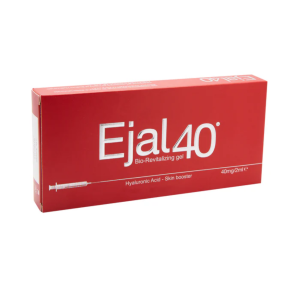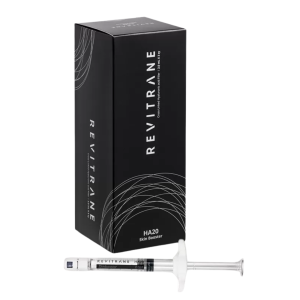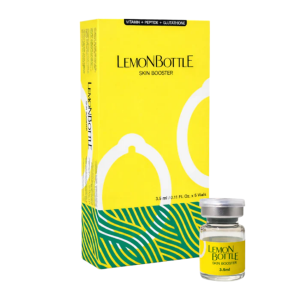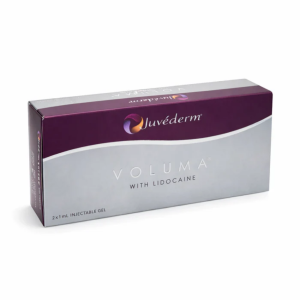

Mesotherapy is considered an effective treatment for hair loss, especially for those looking for a non-surgical option. It involves microinjections of vitamins, minerals, and other substances directly into the scalp, aiming to nourish hair follicles and stimulate hair growth. While results can vary, many individuals report noticeable improvements in hair density and quality after undergoing mesotherapy sessions.
Understanding Mesotherapy
Mesotherapy is a technique that has been used in various cosmetic treatments, including hair loss. The procedure involves injecting a cocktail of nutrients directly into the mesoderm, the middle layer of skin, where it can effectively stimulate hair follicles. The substances used in mesotherapy can include vitamins, amino acids, and even plant extracts, which are tailored to the individual needs of the client. This targeted approach helps improve blood circulation in the scalp, which can be beneficial in promoting healthier hair growth.
Comparing Mesotherapy to Other Treatments
When comparing mesotherapy to other hair loss treatments, such as oral medications, topical solutions, or surgical hair restoration, it’s important to consider the specific needs and preferences of the individual. Mesotherapy is minimally invasive and generally has fewer side effects compared to oral medications, which can sometimes cause systemic effects. Unlike surgical options, it requires no recovery time and can be an appealing choice for those seeking a less invasive solution. However, it may require multiple sessions to achieve desired results, and maintenance treatments may be necessary to sustain the benefits.
Effectiveness and Suitability
The effectiveness of mesotherapy can depend on several factors, including the underlying cause of hair loss, the frequency and number of treatments, and the specific substances used in the injections. For individuals with early-stage hair thinning or those looking to improve hair quality, mesotherapy can be a suitable option. However, it may not be as effective for more advanced stages of hair loss, where other treatments might be recommended. Consulting with a professional can help determine the best course of action based on individual conditions and expectations.
Conclusion
Overall, mesotherapy offers a promising option for those experiencing hair loss, with the potential to improve hair density and quality when performed correctly. As with any treatment, it’s crucial to have realistic expectations and to discuss with a healthcare professional to ensure it’s the right choice for your specific situation. By understanding the benefits and limitations of mesotherapy, individuals can make informed decisions about their hair loss treatment options.
Mesotherapy is a non-surgical treatment that shows promise for addressing hair loss. By delivering targeted nutrients directly to the scalp, it aims to revitalise hair follicles and improve overall hair health. While results can vary, many find it a beneficial addition to their hair care regimen.
Compared to other treatments, mesotherapy is less invasive and generally poses fewer risks. Unlike oral medications, which can have systemic side effects, mesotherapy’s localised approach minimises such concerns. It also avoids the recovery time associated with surgical procedures, making it a convenient option for many.
Ultimately, the effectiveness of mesotherapy depends on individual factors, including the cause of hair loss and treatment frequency. It’s advisable to consult with a qualified practitioner to determine if mesotherapy aligns with your hair restoration goals and expectations. This personalised approach ensures that the treatment plan is tailored to meet specific needs.