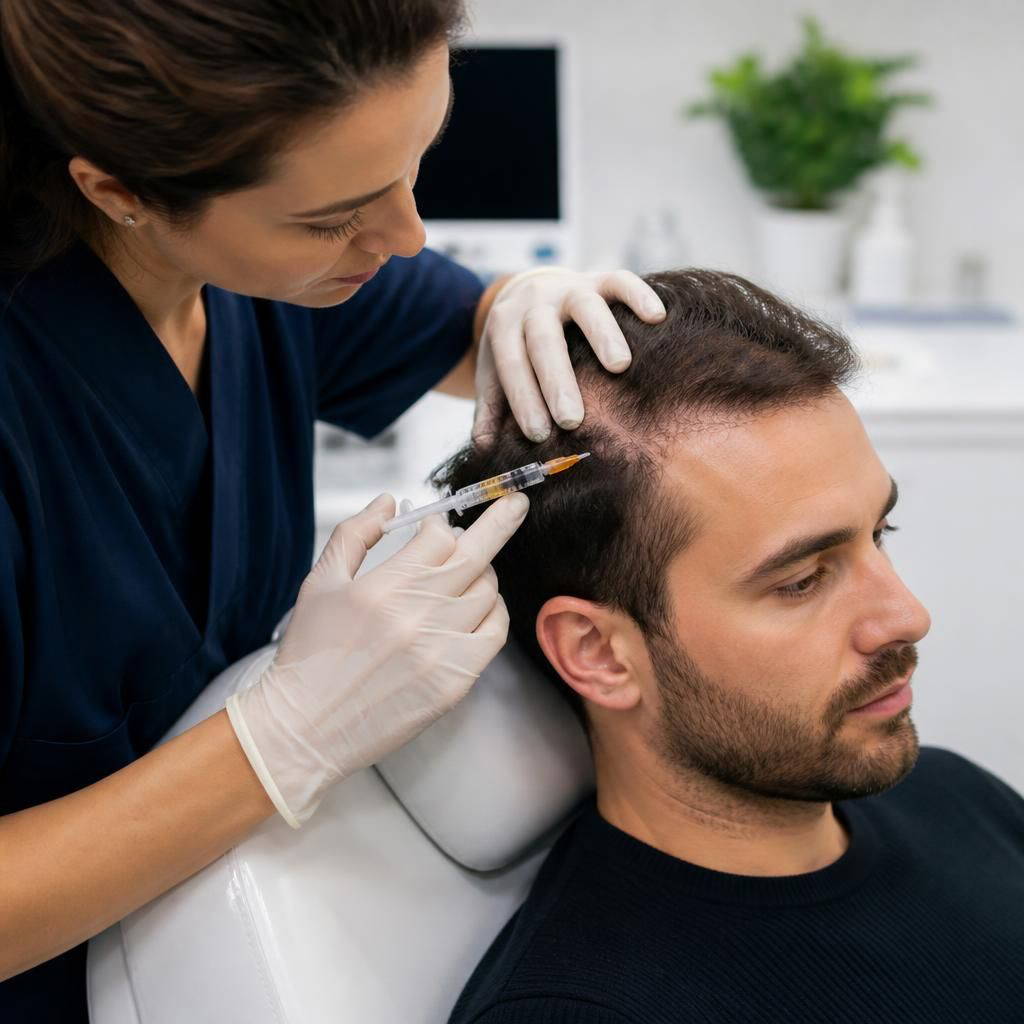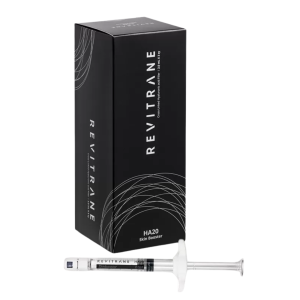

Mesotherapy is considered a safe and effective treatment for hair loss when performed by qualified professionals. By delivering a combination of vitamins, minerals, and other nutrients directly into the scalp, mesotherapy aims to stimulate hair growth and improve hair health. However, as with any medical treatment, individual results may vary, and potential risks need to be considered.
Understanding Mesotherapy
Mesotherapy involves microinjections of a tailored blend of nutrients into the middle layer of the skin, known as the mesoderm. This technique is designed to nourish and rejuvenate the scalp, potentially addressing issues like thinning hair and hair loss. The substances used in mesotherapy can vary, but typically include vitamins, amino acids, and plant extracts. The procedure is minimally invasive and generally considered safe, with most patients experiencing little to no downtime.
Effectiveness of Mesotherapy for Hair Loss
Research and clinical evidence suggest that mesotherapy can be effective for certain types of hair loss, particularly androgenetic alopecia or male and female pattern baldness. By improving blood circulation and providing essential nutrients directly to hair follicles, mesotherapy may promote hair regrowth and improve the overall thickness and density of hair. However, it is important to note that results can differ depending on individual factors such as the cause of hair loss and the patient’s overall health.
Safety Considerations
While mesotherapy is generally safe, it is not without potential side effects. Common side effects may include mild pain or discomfort at the injection site, swelling, and redness. In rare cases, patients may experience allergic reactions or infections. To minimize risks, it is crucial to seek treatment from qualified healthcare professionals who adhere to strict hygiene and safety protocols. Patients should also discuss their medical history and any allergies with their practitioner before undergoing treatment.
Mesotherapy for hair loss is a promising option for those seeking non-surgical treatments. The procedure’s appeal lies in its ability to deliver nutrients directly to the scalp, potentially enhancing hair health and promoting growth. However, it is essential for patients to have realistic expectations and understand that results may vary.
Consultation with a qualified professional is crucial before undergoing mesotherapy. A thorough assessment will help determine whether the treatment is appropriate for the individual’s specific condition. Additionally, a practitioner can provide insights into the expected outcomes and any potential side effects.
Ultimately, while mesotherapy is generally safe and can be effective, it is not a one-size-fits-all solution. Patients should consider it as part of a broader hair loss management plan, which may include lifestyle changes and other medical treatments. By approaching mesotherapy with informed expectations and professional guidance, patients can make the most of this innovative treatment option.