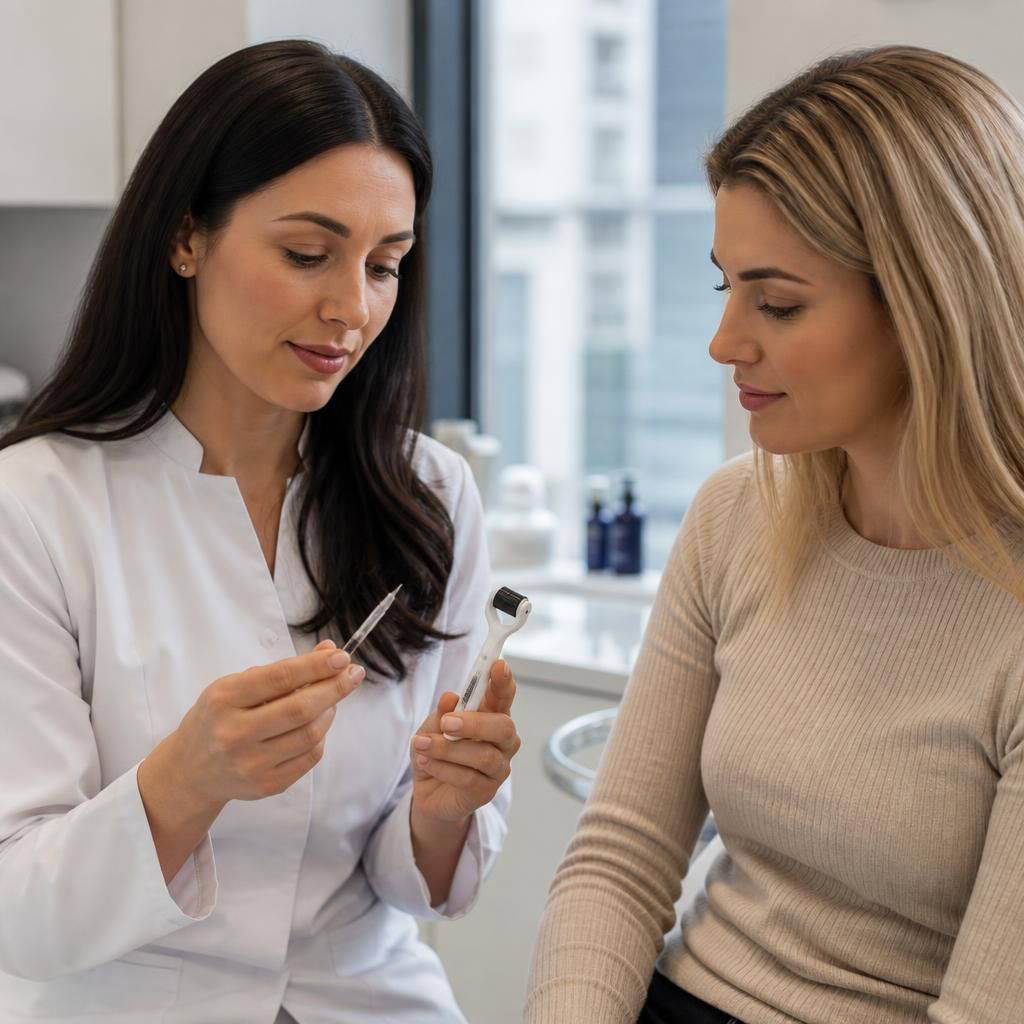

The choice between meso needles and needling rollers for mesotherapy largely depends on the specific needs of the patient and the preferences of the practitioner. Both tools are designed to enhance the delivery of active ingredients into the skin, but they do so in slightly different ways. Meso needles are typically preferred for their precision and ability to target specific areas, while needling rollers are often used for their efficiency in treating larger skin areas. Understanding the advantages and limitations of each can help determine which is more effective for your mesotherapy application.
Understanding Meso Needles
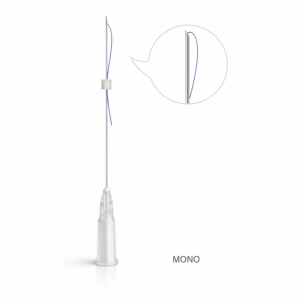
Meso needles are fine, single-use needles that allow for precise delivery of mesotherapy solutions directly into the dermis. This method is ideal when targeting specific areas, such as fine lines, wrinkles, or localized skin concerns. The precision of meso needles allows practitioners to control the depth and distribution of the treatment, making it suitable for delicate areas like around the eyes or mouth. Additionally, meso needles can be used with a variety of mesotherapy cocktails, offering versatility in addressing different skin concerns. However, the precision and targeted nature of meso needles may require more time and expertise from the practitioner.
Exploring Needling Rollers
Needling rollers, on the other hand, are designed with multiple microneedles that roll over the skin, creating microchannels that facilitate the absorption of mesotherapy products. This method is particularly effective for treating larger areas of skin, such as the face, neck, or décolletage, in a relatively short amount of time. Needling rollers are often preferred for their ability to stimulate collagen production and improve skin texture through the process of controlled micro-injuries. While needling rollers may not offer the same precision as meso needles, they provide an efficient and effective means of enhancing overall skin rejuvenation.
Choosing the Right Tool for Your Practice
When deciding between meso needles and needling rollers, practitioners should consider the specific skin concerns they aim to address, the size of the treatment area, and the desired outcome. For targeted treatments requiring precision, meso needles may be the superior choice. In contrast, needling rollers are advantageous for broader applications requiring efficient coverage. Both tools offer unique benefits that can be leveraged to achieve optimal results in mesotherapy. Ultimately, the decision may also depend on the practitioner’s expertise and the patient’s comfort level with each technique.
Meso needles and needling rollers serve different purposes in mesotherapy, each with its unique advantages. Meso needles provide precision, allowing practitioners to target specific areas with accuracy. This makes them ideal for addressing localized skin issues such as wrinkles or scars. They enable the practitioner to control the depth and amount of mesotherapy solution delivered, offering a customized treatment.
Needling rollers, conversely, are efficient in treating larger areas. They facilitate the absorption of active ingredients by creating numerous microchannels across the skin. This process not only enhances product penetration but also stimulates collagen production, which can improve skin texture and elasticity. The ease of covering extensive areas makes needling rollers a practical choice for comprehensive skin rejuvenation.
Ultimately, the choice between meso needles and needling rollers should be guided by the specific goals of the treatment. Understanding the strengths of each tool can help practitioners deliver optimal mesotherapy results tailored to individual patient needs.