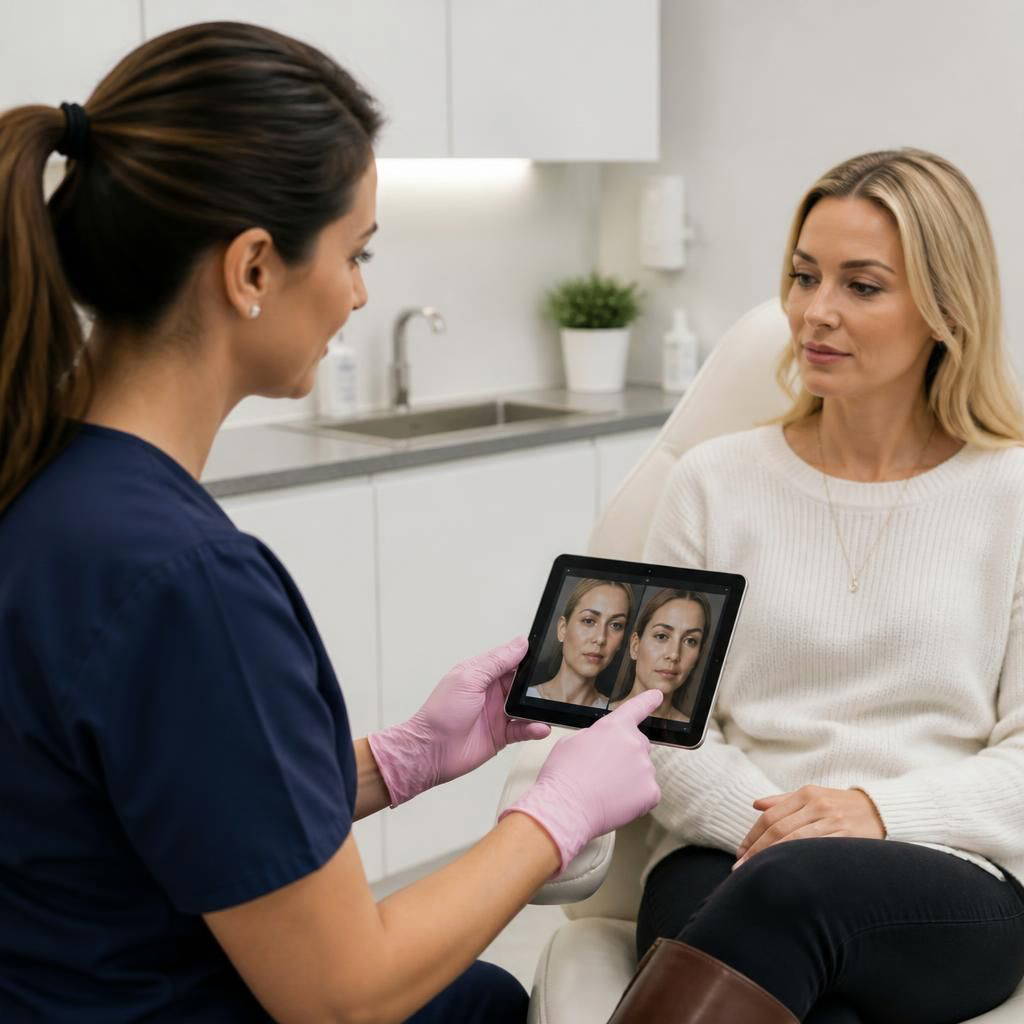

Mesotherapy and microneedling are two popular treatments for addressing various skin issues, but they differ significantly in their approach and effectiveness. Mesotherapy involves injecting a cocktail of vitamins, minerals, and other active ingredients into the mesodermal layer of the skin. This method aims to rejuvenate and nourish the skin from within. On the other hand, microneedling uses tiny needles to create micro-injuries in the skin, stimulating the body’s natural healing process and promoting collagen production. While both treatments can improve skin texture and appearance, their effectiveness may vary depending on the specific skin concern being treated.
Understanding Mesotherapy
Mesotherapy is a minimally invasive procedure that involves the direct delivery of active substances into the skin. The treatment typically uses a fine needle to inject a mixture of ingredients such as hyaluronic acid, vitamins, enzymes, and plant extracts. This method allows for targeted treatment of specific skin concerns, such as dehydration, dullness, or pigmentation. The primary advantage of mesotherapy is its ability to deliver nutrients directly to the skin layers, ensuring maximum absorption and effectiveness. It can be customised to address individual skin needs, making it a versatile option for many practitioners.
The Role of Microneedling
Microneedling, also known as collagen induction therapy, involves using a device with fine needles to create controlled micro-injuries on the skin’s surface. This process triggers the skin’s natural healing response, leading to increased collagen and elastin production. As a result, microneedling is particularly effective for improving skin texture, reducing the appearance of scars, and minimising fine lines and wrinkles. It is a popular choice for those looking to rejuvenate their skin without the use of chemical solutions. The treatment is generally well-tolerated and can be used on various skin types.
Comparing Effectiveness
When comparing the effectiveness of mesotherapy and microneedling, it is important to consider the specific skin issues and desired outcomes. Mesotherapy is often preferred for targeting pigmentation and providing hydration, as it delivers active ingredients directly to the skin layers. Conversely, microneedling is more effective for addressing issues related to skin texture, such as acne scars and fine lines, due to its ability to stimulate collagen production. Ultimately, the choice between the two treatments will depend on the individual’s skin type, concerns, and the professional recommendation of a trained practitioner.
Both mesotherapy and microneedling offer unique benefits, making them suitable for different skin issues. Mesotherapy is ideal for those seeking to rejuvenate their skin with a boost of nutrients and hydration. Its direct delivery of active ingredients allows for targeted treatment of specific concerns, making it effective for addressing pigmentation and dullness.
Microneedling excels in stimulating collagen production, making it a preferred choice for improving skin texture and reducing the visibility of scars and fine lines. The treatment’s ability to promote natural healing processes makes it a versatile option for a wide range of skin types.
Ultimately, the decision between mesotherapy and microneedling should be based on the specific skin concerns and desired outcomes. Consulting with a trained practitioner can provide valuable insight into which treatment is best suited for individual needs, ensuring that patients achieve optimal results.