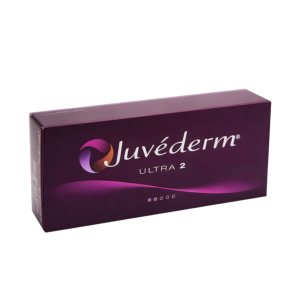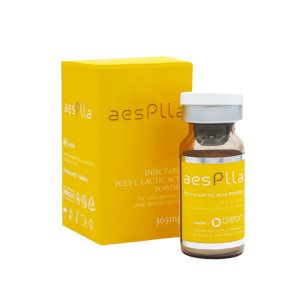

To administer mesotherapy and skin boosters, practitioners need to obtain specific training and qualifications. This typically involves completing a recognised course in aesthetic medicine, which covers the theoretical and practical aspects of these treatments. Additionally, practitioners should hold a relevant medical or nursing qualification, as this ensures they have the necessary understanding of human anatomy and physiology.
Understanding Mesotherapy and Skin Boosters
Mesotherapy is a minimally invasive procedure that involves injecting a bespoke cocktail of vitamins, minerals, and amino acids into the skin’s middle layer. This treatment aims to nourish and rejuvenate the skin, promoting collagen production and improving overall skin quality. On the other hand, skin boosters are designed to enhance skin hydration from within, using hyaluronic acid-based formulations to deliver long-lasting moisture and elasticity. Both procedures require skilled application to ensure patient safety and achieve the desired results.
Essential Training for Practitioners
Practitioners looking to administer mesotherapy and skin boosters must undertake comprehensive training programs. These courses are often provided by accredited institutions and cover various aspects, including injection techniques, patient assessment, and managing potential complications. The training typically combines theoretical learning with hands-on practice, allowing practitioners to gain the confidence and skills needed for effective treatment delivery. It’s crucial for practitioners to choose a reputable training provider to ensure they receive high-quality education and guidance.
Qualifications and Professional Requirements
In the UK, practitioners administering mesotherapy and skin boosters must hold a medical or nursing qualification, such as being a registered doctor, dentist, or nurse. This requirement ensures that practitioners possess a foundational understanding of medical principles, enabling them to perform treatments safely and effectively. Additionally, practitioners should be familiar with the latest industry regulations and guidelines, as these standards help maintain high levels of patient care and safety. Continuing professional development (CPD) is also vital, as it allows practitioners to stay updated on new techniques and advancements in the field.
Importance of Accreditation and Continuous Learning
Accreditation plays a significant role in the aesthetic industry, as it ensures that training programs meet specific standards and deliver quality education. Practitioners should seek courses accredited by reputable bodies to validate their skills and knowledge. Moreover, continuous learning is essential for maintaining expertise in administering mesotherapy and skin boosters. This can involve attending workshops, seminars, and conferences, which provide opportunities to learn from industry experts and stay informed about emerging trends and technologies. By committing to lifelong learning, practitioners can enhance their practice and offer the best possible care to their clients.
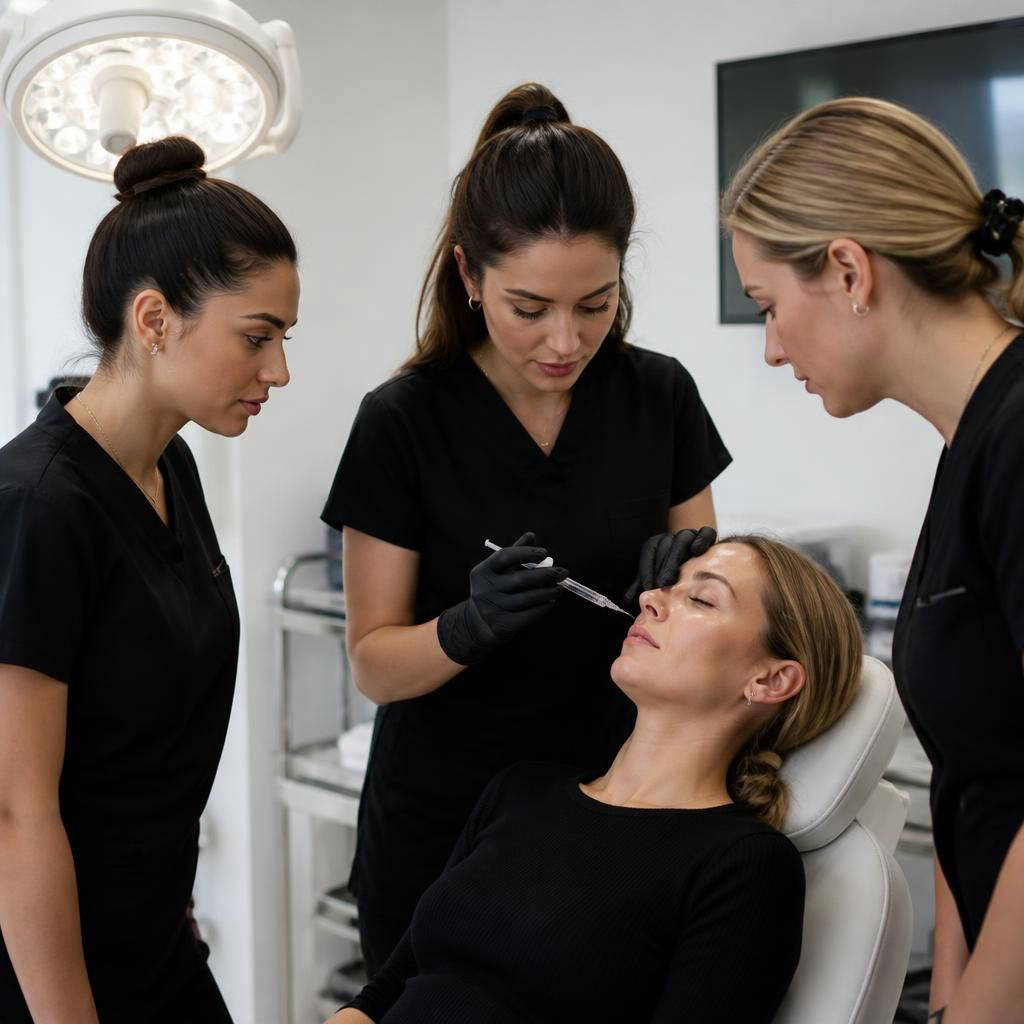
Administering mesotherapy and skin boosters requires practitioners to undergo specialised training, ensuring they are equipped with the necessary skills and knowledge. This training typically includes both theoretical and practical components, allowing practitioners to understand the intricacies of each procedure and how to perform them safely and effectively.
In addition to specific training, practitioners must hold a relevant medical or nursing qualification. This ensures they have a comprehensive understanding of human anatomy and the potential risks associated with aesthetic treatments. Such qualifications are often mandatory in the UK, reflecting the importance of medical expertise in the field.
Finally, practitioners should commit to ongoing professional development to stay current with advancements in aesthetic medicine. This includes attending accredited courses, workshops, and seminars, which not only enhance their skills but also ensure they adhere to the latest industry standards and guidelines, ultimately benefiting their clients.