
Microneedling is a popular cosmetic procedure that can be effectively used to improve the appearance of smile lines, also known as nasolabial folds. By creating controlled micro-injuries on the skin’s surface, microneedling stimulates the body’s natural wound healing processes, promoting collagen and elastin production. This increased collagen and elastin help to plump the skin, reducing the depth and visibility of smile lines, resulting in a smoother and more youthful appearance.
Understanding Smile Lines
Smile lines, or nasolabial folds, are the creases that run from the sides of the nose to the corners of the mouth. These lines are a natural part of the ageing process and are influenced by factors such as genetics, skin type, and lifestyle. As we age, the skin loses its elasticity and volume, causing these lines to deepen and become more pronounced. While they are a common feature, many individuals seek treatments to minimise their appearance for a more youthful look.
The Science Behind Microneedling
Microneedling, also known as collagen induction therapy, involves the use of a device equipped with fine needles to create tiny punctures in the skin. These micro-injuries trigger the skin’s repair mechanisms, leading to an increase in collagen and elastin production. Collagen is a protein that provides structure to the skin, while elastin gives the skin its elasticity. By enhancing the skin’s natural regenerative processes, microneedling can effectively reduce the appearance of fine lines and wrinkles, including smile lines.
Benefits and Considerations
One of the primary benefits of microneedling is its ability to improve skin texture and tone while reducing the appearance of fine lines and wrinkles. It is a minimally invasive procedure with relatively low risk of side effects when performed by trained professionals. However, individuals with certain skin conditions or those who are pregnant should consult with a healthcare professional before undergoing treatment. Additionally, multiple sessions may be required to achieve optimal results, and maintenance treatments may be necessary to sustain the effects.
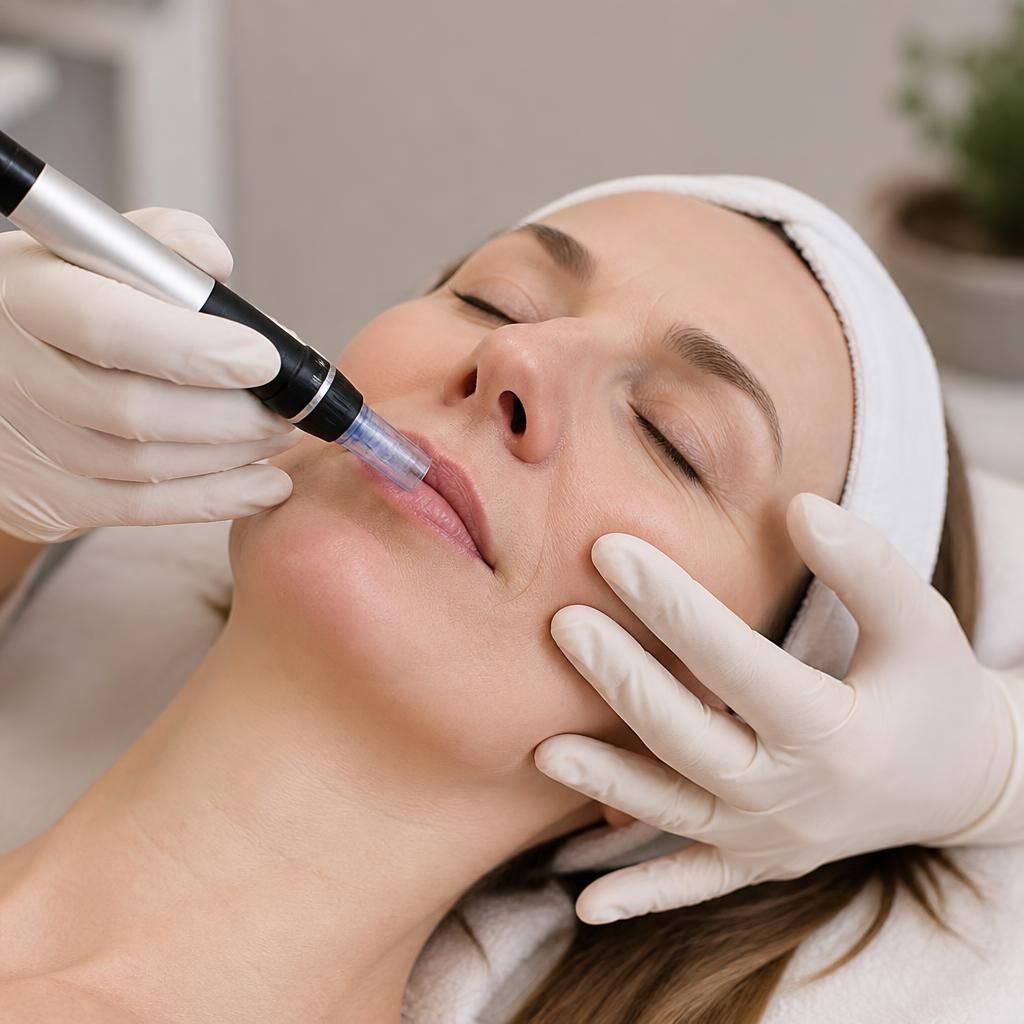
Microneedling works by encouraging the skin’s natural healing processes, making it a viable option for reducing smile lines. The procedure stimulates the production of collagen and elastin, essential proteins that contribute to skin firmness and elasticity. By enhancing these structural components, microneedling can help to diminish the depth of smile lines over time.
While microneedling can be highly effective, it is important to note that results may vary depending on individual skin types and conditions. A series of treatments may be necessary to achieve desired outcomes, and ongoing maintenance sessions can help sustain the improvements. Consulting with a qualified practitioner can provide a personalised treatment plan tailored to individual needs.
Overall, microneedling is a promising option for those seeking to reduce the appearance of smile lines. Its ability to rejuvenate the skin and promote a more youthful appearance makes it a popular choice among aesthetic treatments. For best results, it should be carried out by experienced professionals using high-quality equipment.