
Microneedling has emerged as a popular treatment option for reducing the appearance of stretch marks, often compared to other methods such as laser therapy, chemical peels, and topical treatments. While microneedling offers a promising approach by stimulating collagen production and enhancing skin texture, its effectiveness can vary based on individual skin conditions and the severity of the stretch marks. Understanding the benefits and limitations of microneedling compared to other treatments can help in making an informed decision.
Understanding Microneedling
Microneedling involves the use of fine needles to create micro-injuries in the skin, which triggers the body’s natural healing process and stimulates collagen and elastin production. This process can help improve the appearance of stretch marks by promoting skin regeneration and enhancing skin texture. The treatment is minimally invasive and can be performed in clinical settings, offering a relatively quick recovery time compared to more aggressive treatments. However, multiple sessions are often required to achieve optimal results.
Comparing Other Treatments
When comparing microneedling to other treatments, such as laser therapy, it’s important to consider the differences in approach and outcomes. Laser treatments, for instance, use concentrated light energy to target deeper layers of the skin, which can be effective for more severe stretch marks. However, laser therapy often involves more downtime and can be more costly. Chemical peels and topical treatments, on the other hand, offer less invasive options but may not provide the same level of effectiveness as microneedling or laser therapy, especially for deeper or older stretch marks.
Factors Influencing Effectiveness
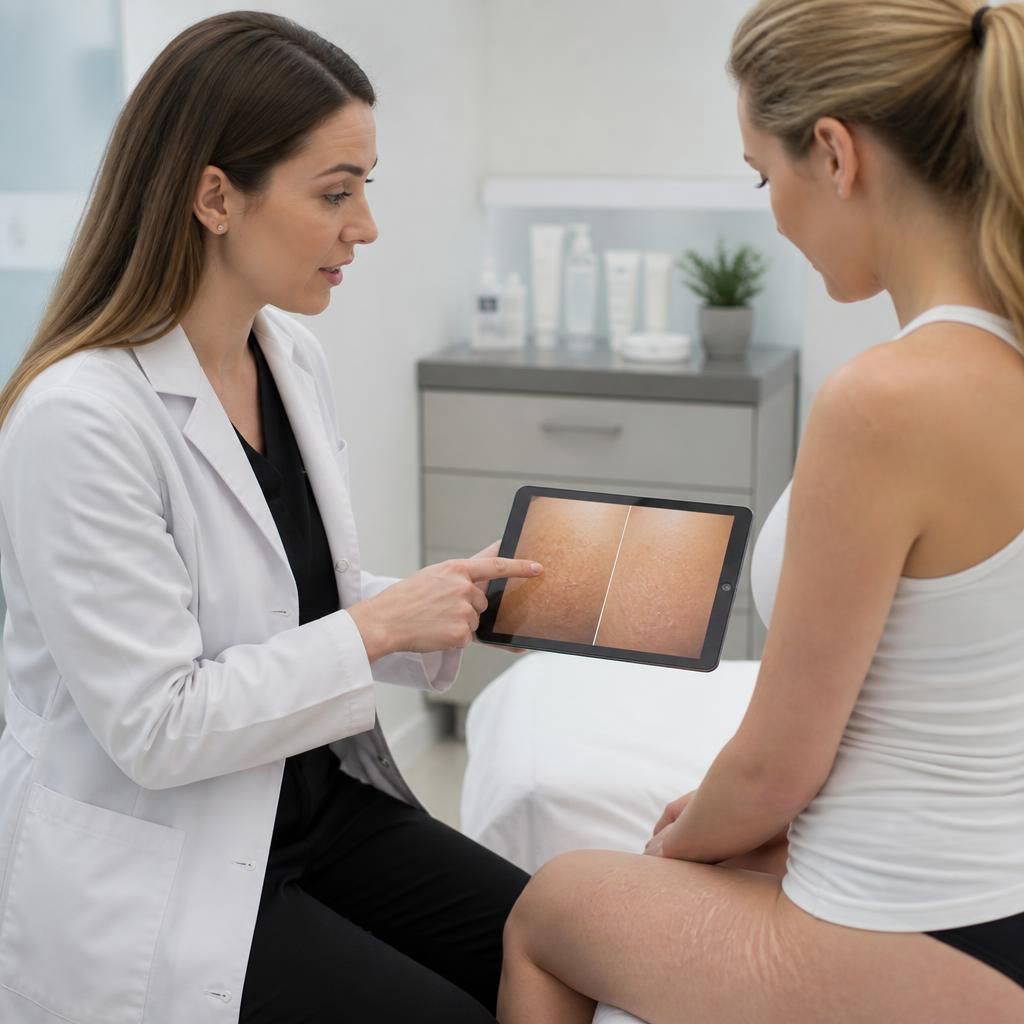
The effectiveness of microneedling in reducing stretch marks can depend on several factors, including the age and severity of the stretch marks, the individual’s skin type, and the skill of the practitioner performing the procedure. While microneedling can be beneficial for improving skin texture and reducing the visibility of stretch marks, it may not completely eliminate them. Consulting with a trained practitioner can provide insight into the expected outcomes and help determine the most suitable treatment plan based on individual needs and skin conditions.
Microneedling’s effectiveness in reducing stretch marks largely depends on the specific characteristics of the stretch marks and the individual’s skin type. While it can significantly improve skin texture and appearance, it may not completely remove stretch marks. For newer and less severe stretch marks, microneedling can be particularly effective, offering noticeable improvements with minimal downtime.
Compared to other treatments like laser therapy, microneedling is less invasive and generally more affordable, making it an attractive option for many seeking to address stretch marks. However, for deeper or more stubborn stretch marks, laser treatments might offer more dramatic results, albeit with longer recovery times and higher costs.
Ultimately, the choice between microneedling and other treatments should be guided by individual goals, the condition of the stretch marks, and professional advice. A comprehensive consultation with a qualified practitioner can provide valuable insights into the most appropriate and effective treatment strategy.