
Practitioners should be well-informed about the safety profiles and outcomes of both skin needling and mesotherapy to make the best treatment decisions for their clients. Skin needling, also known as microneedling, and mesotherapy are popular non-surgical aesthetic procedures that offer unique benefits and have distinct safety considerations. Understanding these differences is crucial for ensuring client satisfaction and achieving optimal results.
Understanding Skin Needling
Skin needling involves using a device equipped with fine needles to create controlled micro-injuries in the skin. This process stimulates the skin’s natural healing response, promoting collagen production and improving skin texture and tone. The procedure is generally considered safe when performed by trained professionals, with minimal side effects such as redness and slight swelling. However, it is essential for practitioners to conduct thorough consultations and skin assessments to minimise risks, particularly for clients with sensitive skin or specific medical conditions.
Exploring Mesotherapy
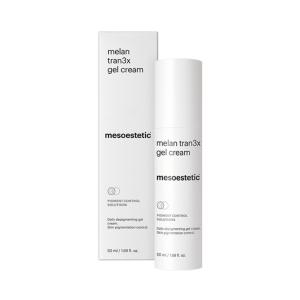
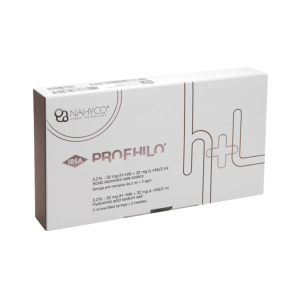
Mesotherapy, on the other hand, involves injecting a customised blend of vitamins, enzymes, hormones, and plant extracts into the middle layer of the skin. This technique aims to rejuvenate and tighten skin, as well as remove excess fat. While mesotherapy is generally safe, practitioners must be mindful of the potential for allergic reactions or infections from the injectable substances. Proper technique and hygiene standards are paramount to ensure safety and effectiveness, making it crucial for practitioners to be thoroughly trained and knowledgeable about the products used.
Comparative Outcomes
When comparing the outcomes of skin needling and mesotherapy, practitioners should consider the specific goals of their clients. Skin needling is particularly effective for treating acne scars, fine lines, and improving overall skin texture. Mesotherapy, with its diverse range of formulations, can be tailored to address more targeted concerns such as fat reduction or intense hydration. Evaluating the client’s skin type, desired results, and medical history will guide practitioners in recommending the most suitable treatment, ensuring both safety and satisfaction.
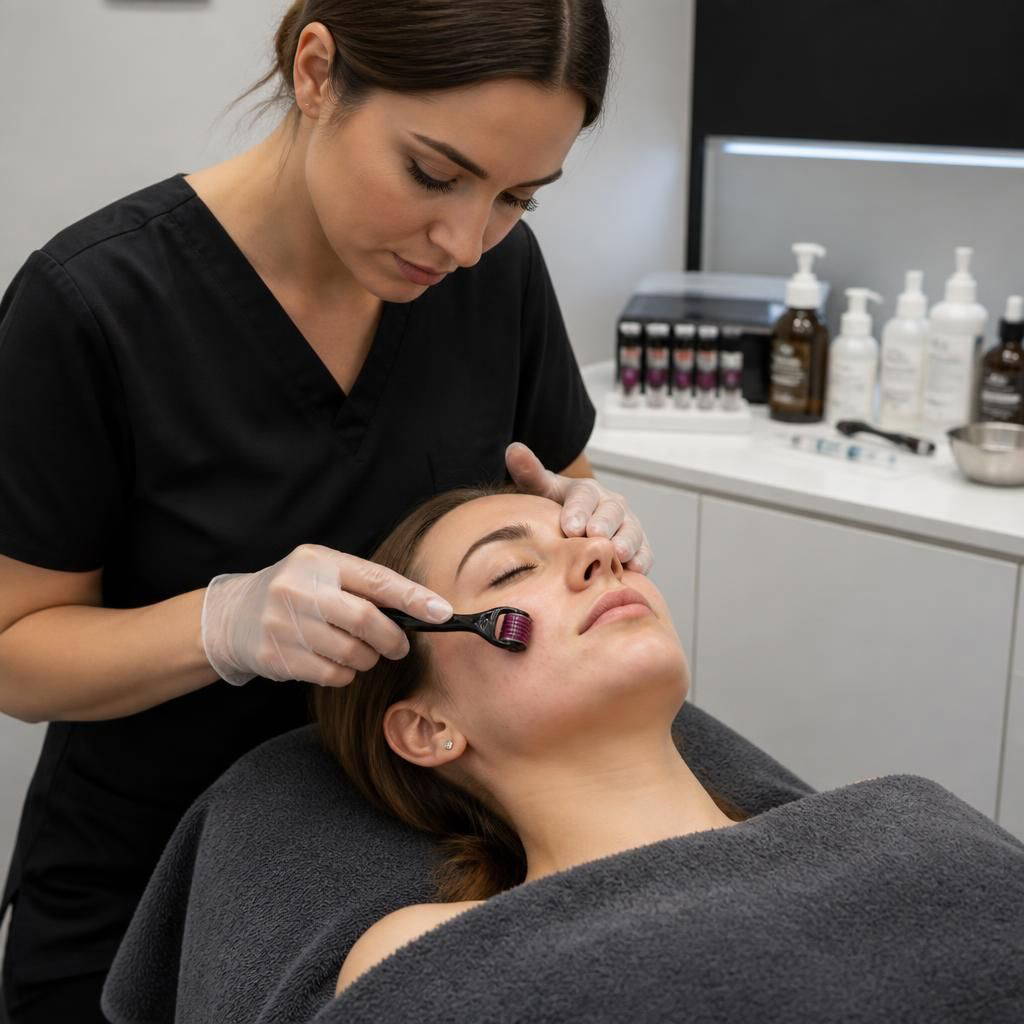
Safety is a paramount concern for both skin needling and mesotherapy. While skin needling is minimally invasive and generally well-tolerated, practitioners must be vigilant about sterilisation and technique to prevent complications. Mesotherapy requires an understanding of the substances used, as improper injections can lead to adverse reactions.
Outcomes vary between the two treatments, with skin needling excelling in collagen induction and texture improvement, while mesotherapy can provide targeted solutions for hydration, pigmentation, and fat reduction. The choice between these treatments should be guided by the client’s specific aesthetic goals and skin condition.
Ultimately, the decision between skin needling and mesotherapy should be made after a comprehensive consultation. Practitioners should consider the client’s medical history, skin type, and desired outcomes to recommend the most appropriate and effective treatment, ensuring both safety and satisfaction.