
Mesotherapy is a non-surgical technique that involves the injection of vitamins, enzymes, hormones, and plant extracts to rejuvenate and tighten skin, as well as remove excess fat. When used for dark circles, mesotherapy can effectively reduce pigmentation and improve skin texture around the eyes. However, like any cosmetic procedure, it may come with some side effects.
Common Side Effects
The most common side effects associated with mesotherapy for dark circles include mild swelling, redness, and bruising at the injection site. These effects are generally temporary, resolving within a few days post-treatment. Patients may also experience a slight burning or tingling sensation during and immediately after the procedure. To minimise these side effects, it is crucial for practitioners to follow proper injection techniques and utilise high-quality mesotherapy products.
Less Common Side Effects
Less common side effects might include allergic reactions to the ingredients used in the mesotherapy solution. These reactions can manifest as itching, rashes, or more severe swelling. It is vital for practitioners to conduct a thorough assessment of the patient’s medical history and any known allergies before proceeding with the treatment. In some cases, patients may also experience prolonged swelling or bruising, which could take up to a week to fully dissipate.
Serious Side Effects
Although rare, more serious side effects can occur, such as infections or skin necrosis. These are usually a result of improper technique or poor hygiene practices during the procedure. To mitigate these risks, it is essential for practitioners to adhere to stringent hygiene protocols and ensure they are adequately trained in mesotherapy techniques. Furthermore, patients should be informed about the potential risks and signs of complications to watch for, ensuring timely medical attention if necessary.
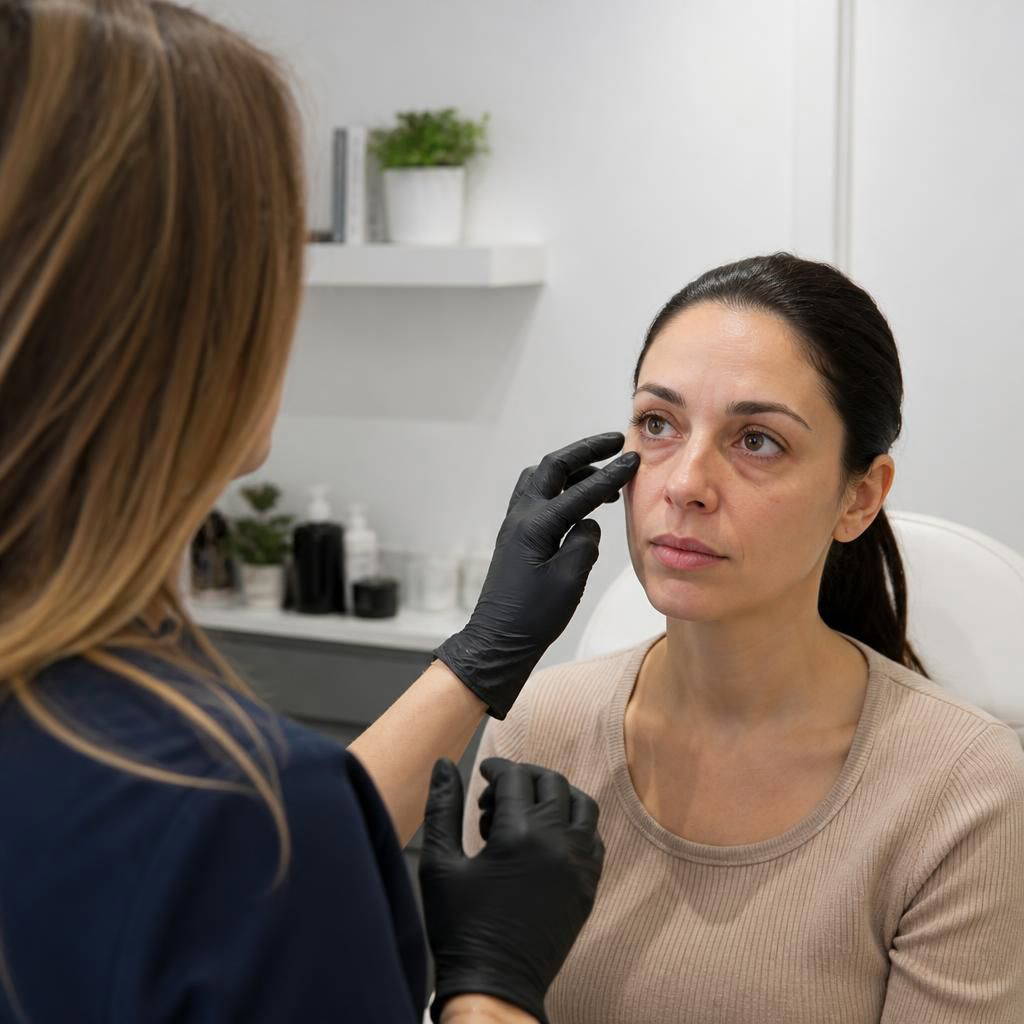
Mesotherapy for dark circles is generally considered safe when performed by trained professionals. However, patients may experience some temporary side effects like swelling, redness, and bruising. These effects typically subside within a few days, allowing patients to resume their daily activities without significant downtime.
It is important for practitioners to assess the individual’s skin type and medical history to tailor the mesotherapy treatment accordingly. This personalised approach helps in minimising the risk of allergic reactions and other adverse effects. Patients should also be advised on aftercare procedures to enhance recovery and results.
Practitioners should maintain open communication with their patients, providing clear information about potential side effects and expected outcomes. By doing so, they can ensure a positive experience and satisfactory results for those seeking to address dark circles through mesotherapy.