
The cost of tear trough filler for dark circles treatments is influenced by several factors, including the type of filler used, the expertise of the practitioner, geographical location, and additional clinic fees. Understanding these components can help individuals make informed decisions about their aesthetic treatment options.
Type of Filler Used
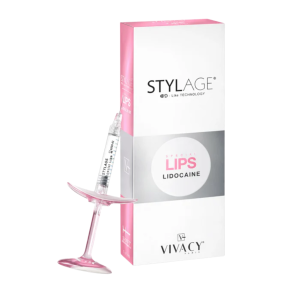
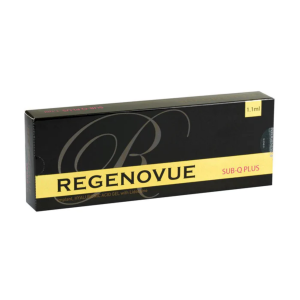
The type of filler chosen for treating dark circles significantly impacts the overall cost. There are a variety of fillers available, each with different compositions and longevity. Hyaluronic acid-based fillers are commonly used due to their effectiveness and safety profile, but they may vary in price depending on the brand and specific formulation. Additionally, some fillers are designed to last longer, which can also affect the cost. Patients should discuss with their practitioner which type of filler is most suitable for their needs and budget.
Practitioner’s Expertise
The skill and experience of the practitioner performing the treatment will also influence the cost. Highly experienced practitioners or those with specialised training in tear trough treatments may charge more for their services. This investment can be worthwhile, as it often translates to better results and reduced risk of complications. Patients are advised to verify the credentials and experience of the practitioner before proceeding with the treatment, as this can significantly impact both the cost and outcome.
Geographical Location and Clinic Fees
Geographical location is another factor that can affect the cost of tear trough filler treatments. Clinics in major cities or affluent areas may charge higher prices due to increased demand and higher operating costs. Furthermore, clinics may have additional fees, such as consultation fees or aftercare packages, which can contribute to the overall expense. Patients should inquire about all potential costs upfront to ensure transparency and avoid unexpected charges.
The cost of tear trough filler treatments is multifaceted, with each factor playing a crucial role in determining the final price. Understanding these elements can empower individuals to make informed choices about their treatment options. The type of filler used is a primary consideration, as different products offer varying benefits and longevity.
Additionally, the expertise of the practitioner is crucial, as experienced professionals often charge more but provide superior results and safety. Verifying the practitioner’s credentials is essential to ensure a successful outcome. Lastly, geographical location and clinic-specific fees can further influence the cost.
Ultimately, patients should seek transparent information from clinics regarding all potential costs associated with tear trough filler treatments. By considering these factors, individuals can select the most suitable option for their needs and budget, leading to a satisfactory treatment experience.