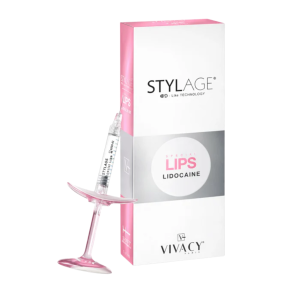

Yes, microneedling and mesotherapy can be combined to enhance the treatment outcomes for melasma. These two procedures, when used together, offer complementary benefits that can improve skin texture and pigmentation. Microneedling creates micro-injuries in the skin, promoting collagen production and enhancing the absorption of topical treatments. Mesotherapy, on the other hand, involves the injection of active ingredients directly into the skin, targeting specific concerns like pigmentation and hydration. Together, these treatments can offer a comprehensive approach to managing melasma.
Understanding Melasma and Its Challenges
Melasma is a common skin condition characterized by dark, discoloured patches, typically appearing on the face. It is often triggered by hormonal changes, sun exposure, and genetic factors. The condition can be persistent and resistant to treatment, making it a challenging issue for many individuals. Traditional treatments include topical agents like hydroquinone, chemical peels, and laser therapies. However, these methods can have varying degrees of success and may not be suitable for all skin types. Therefore, exploring combination therapies such as microneedling and mesotherapy is crucial for achieving optimal results.
The Role of Microneedling in Melasma Treatment
Microneedling, also known as collagen induction therapy, involves creating tiny punctures in the skin using fine needles. This process stimulates the skin’s natural healing response, leading to increased collagen and elastin production. For melasma patients, microneedling can enhance the penetration of topical treatments, making them more effective. Additionally, it can improve skin texture and tone, reducing the appearance of melasma patches. Microneedling is generally considered safe for all skin types, with minimal downtime and a low risk of complications.
Benefits of Combining Microneedling with Mesotherapy
Mesotherapy involves the injection of a customised blend of vitamins, minerals, and other active ingredients directly into the skin. This technique allows for targeted treatment of melasma by delivering active ingredients like tranexamic acid, vitamin C, and glutathione directly to the affected areas. When combined with microneedling, mesotherapy can enhance the absorption and efficacy of these ingredients, leading to more significant improvements in skin pigmentation and overall appearance. The combination of these two treatments offers a synergistic effect, providing comprehensive care for melasma sufferers.
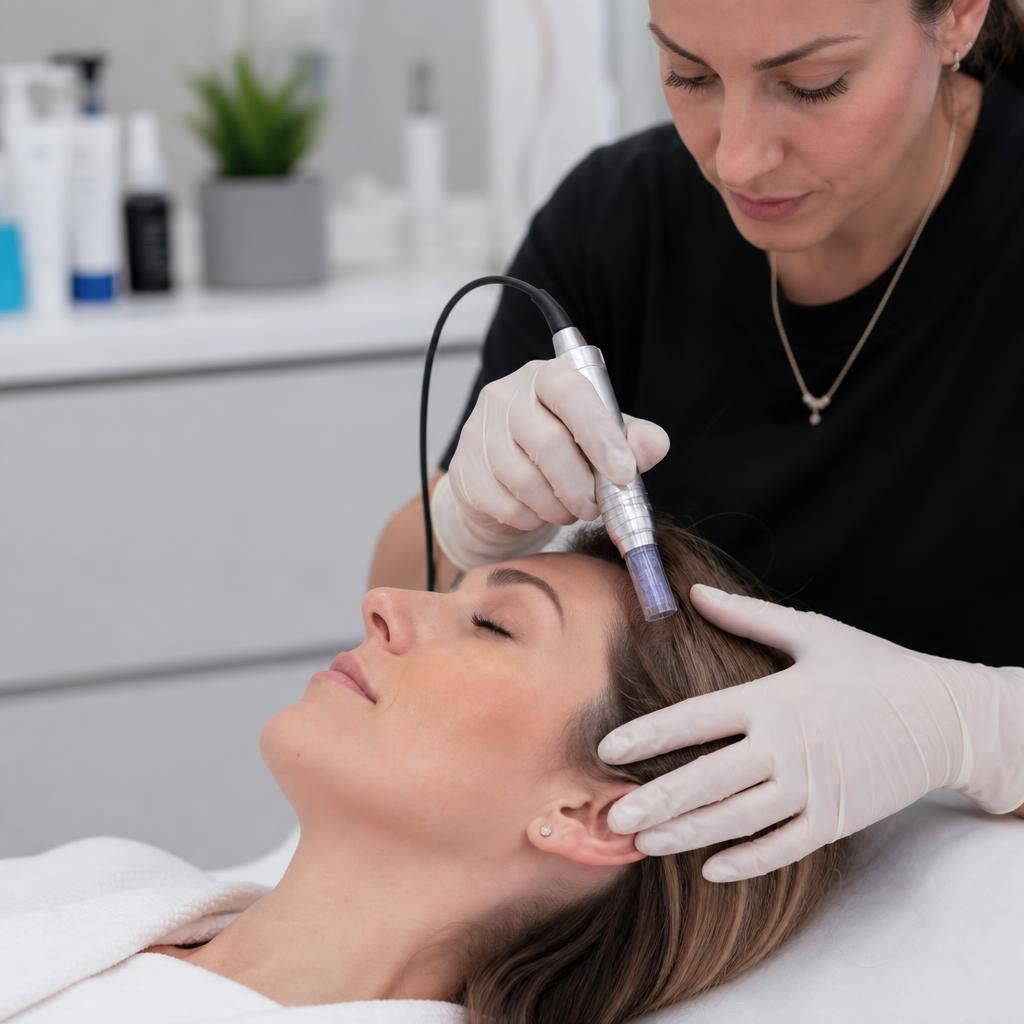
Combining microneedling with mesotherapy offers a multi-faceted approach to treating melasma, addressing both the surface and underlying causes of pigmentation. The micro-injuries created by microneedling enhance the absorption of the active ingredients used in mesotherapy, allowing for a deeper and more effective treatment.
Mesotherapy’s targeted delivery of ingredients like tranexamic acid and vitamin C can directly reduce melanin production, which is crucial in managing melasma. This targeted approach helps in achieving a more even skin tone and reduces the intensity of pigmentation over time.
The combination of these two treatments not only targets pigmentation but also improves overall skin health by boosting collagen production and hydration. This holistic treatment strategy is beneficial for individuals seeking an effective solution for melasma, offering improved outcomes with minimal downtime and side effects.