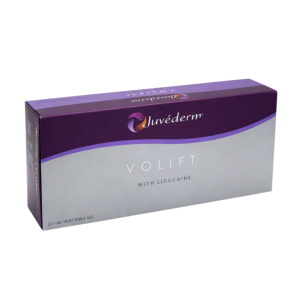

Mesotherapy is generally considered a safe option for treating various skin conditions when performed by a trained practitioner using high-quality products. This minimally invasive procedure involves the injection of vitamins, enzymes, hormones, and plant extracts to rejuvenate and tighten skin, as well as remove excess fat. However, like any medical treatment, it carries certain risks, and its safety largely depends on the expertise of the practitioner and the quality of the products used.
Understanding Mesotherapy
Mesotherapy was developed in France in 1952 and has since gained popularity worldwide as a technique for addressing a range of cosmetic issues. It is primarily used for skin rejuvenation, reducing cellulite, and promoting hair growth. The treatment involves administering a series of micro-injections into the mesoderm, the middle layer of skin, which stimulates the skin’s metabolism and encourages collagen production.
Safety Considerations
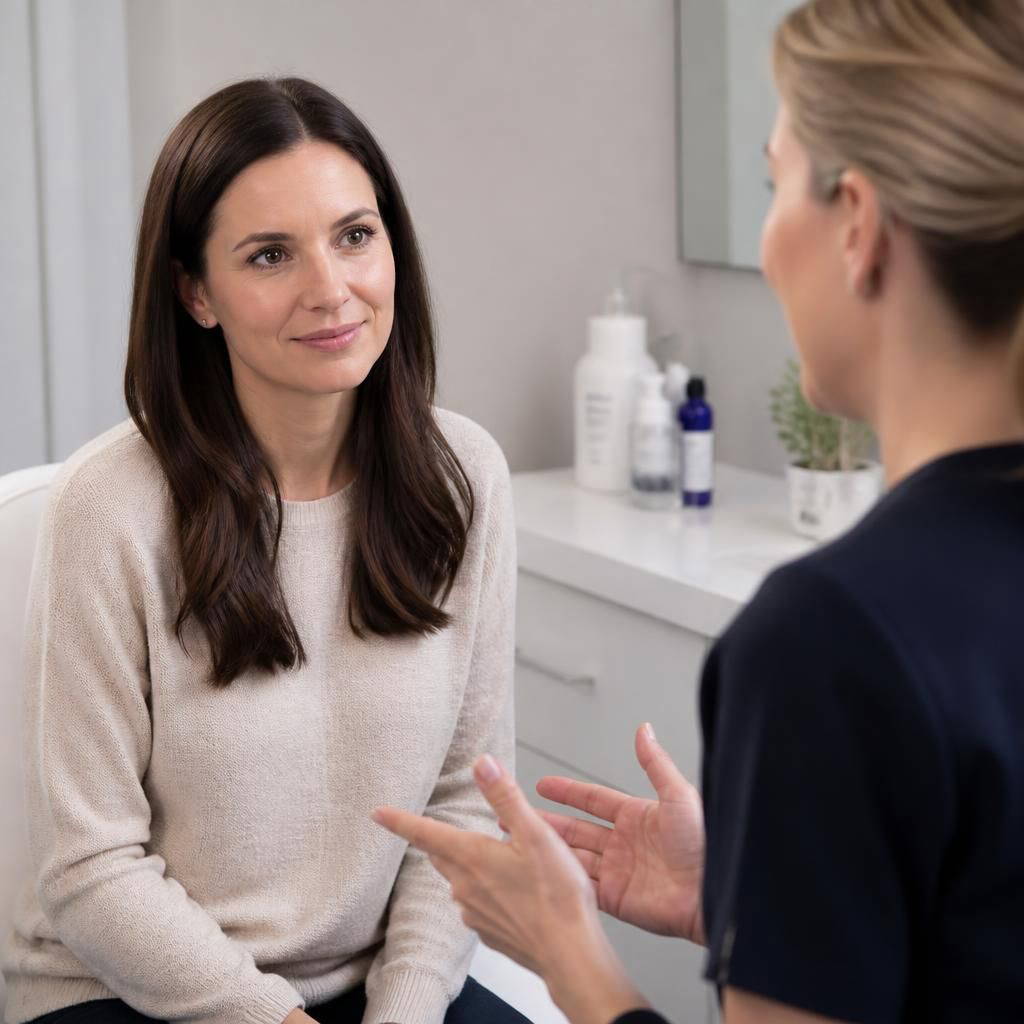
The safety of mesotherapy is contingent upon several factors. First and foremost, it is crucial to ensure that the practitioner is qualified and experienced in administering the treatment. The products used should be of high quality and sourced from reputable suppliers. Additionally, patients should undergo a thorough consultation to discuss their medical history and any allergies they may have. This helps in tailoring the treatment to the individual’s needs and minimising potential side effects.
Potential Risks and Side Effects
While mesotherapy is generally safe, potential risks include bruising, swelling, redness, and infection at the injection site. These side effects are typically mild and temporary. In rare cases, more serious complications can occur, such as allergic reactions or skin discolouration. It is important for patients to follow post-treatment care instructions to mitigate these risks. A patch test may also be recommended to check for any adverse reactions prior to the full treatment.
Mesotherapy is a versatile treatment that offers various benefits, but its safety and effectiveness are heavily reliant on professional execution. Ensuring that the procedure is carried out by a certified practitioner is crucial to achieving optimal results and minimising risks.
Moreover, the choice of products plays a significant role in the treatment’s safety. High-quality, sterile products should be used to reduce the likelihood of adverse reactions. Patients should also feel comfortable discussing any concerns or questions they have with their practitioner to ensure a transparent and tailored approach to their skin care needs.
In conclusion, while mesotherapy is a generally safe treatment for skin conditions, it is essential to approach it with due diligence. By selecting an experienced practitioner and using reputable products, patients can enjoy the benefits of mesotherapy with confidence in its safety and efficacy.