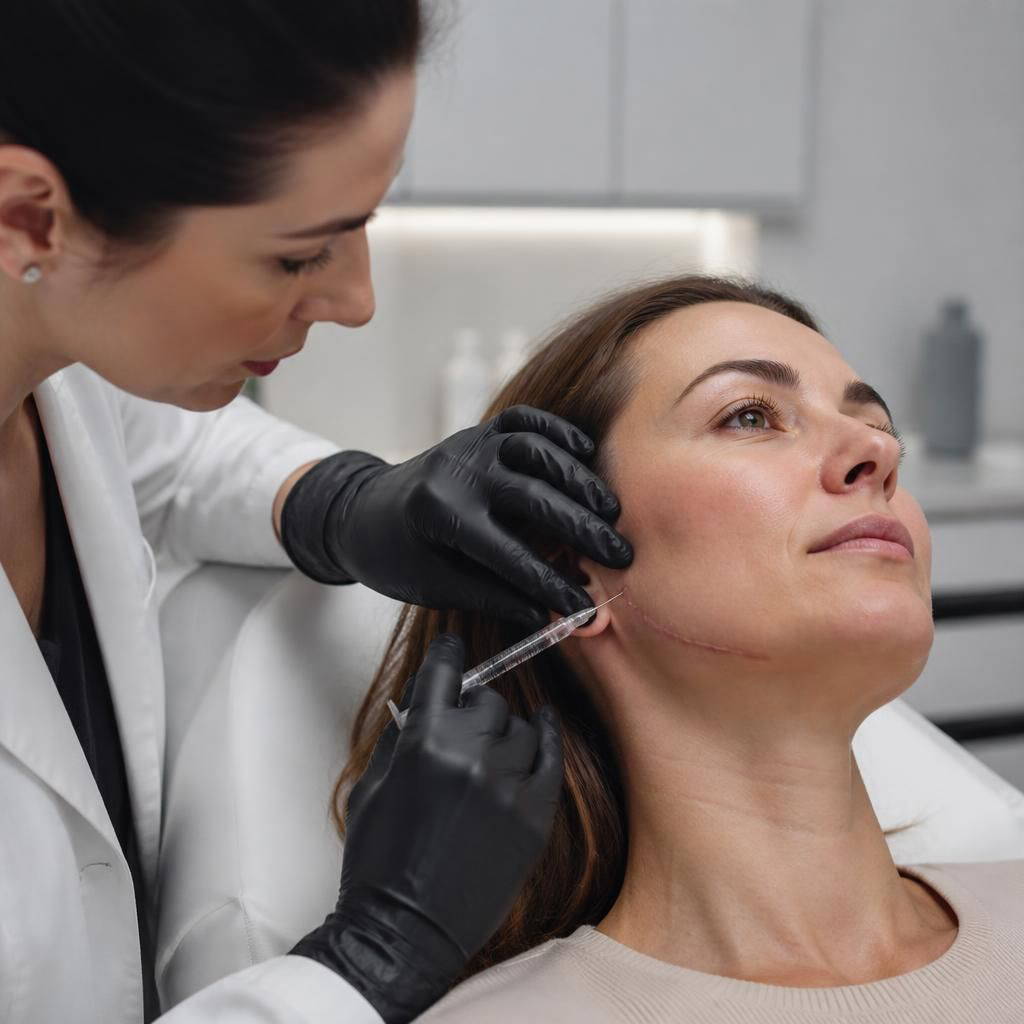

Fillers and mesotherapy are both popular treatments for managing scars, yet they work in different ways and have varying effectiveness depending on the type of scar. Fillers are generally more effective for treating certain types of atrophic scars, such as those resulting from acne or chickenpox, as they work by adding volume beneath the skin, thus elevating the scar to the level of the surrounding tissue. On the other hand, mesotherapy is often employed for its rejuvenating properties, which can improve skin texture and appearance over time, making it a suitable option for enhancing overall skin health and reducing the visibility of scars.
Understanding Fillers
Dermal fillers are substances injected into the skin to add volume, smooth out lines, and enhance facial contours. When applied to scars, particularly atrophic scars, fillers can effectively elevate the depressed areas, making them less noticeable. The results of fillers can be immediate, and they are especially beneficial for scars that create an indentation in the skin. Different types of fillers, such as hyaluronic acid-based fillers, are commonly used, and the choice depends on the specific needs of the skin and the desired outcome. However, the effects of fillers are temporary, typically lasting between six months to two years, necessitating repeat treatments for sustained results.
Exploring Mesotherapy
Mesotherapy involves the injection of a cocktail of vitamins, enzymes, and other compounds into the mesodermal layer of the skin. It is designed to rejuvenate, tighten skin, and improve overall skin health. While not specifically a scar treatment, mesotherapy can enhance the appearance of the skin, potentially reducing the visibility of scars through improved hydration, collagen production, and skin elasticity. This treatment is generally more suitable for superficial and widespread scarring, as it promotes an overall improvement in skin quality rather than targeting individual scars. Mesotherapy can be a slower process, requiring multiple sessions over time to achieve noticeable results.
Comparative Effectiveness
The choice between fillers and mesotherapy for scar treatment largely depends on the type and severity of the scars, as well as the desired outcome. Fillers offer a more targeted approach, providing immediate improvement in the appearance of specific scars, especially those that are deep and indented. In contrast, mesotherapy offers a more holistic approach, improving the overall texture and health of the skin, which can indirectly reduce the visibility of scars. Practitioners should assess the specific needs of their patients and consider factors such as skin type, scar age, and the patient’s expectations to determine the most suitable treatment option.
Fillers and mesotherapy each offer distinct benefits for scar management, and their effectiveness can vary based on individual circumstances. Fillers are particularly effective for deep, atrophic scars, providing immediate volume and smoothing effects. They are ideal for patients seeking quick results in specific areas.
In contrast, mesotherapy focuses on enhancing overall skin health, which can lead to gradual improvements in scar visibility. It is a suitable choice for those who prefer a non-invasive approach and are willing to commit to multiple sessions for long-term benefits. Mesotherapy can also complement other treatments by improving skin quality.
Ultimately, the decision between fillers and mesotherapy should be based on the scar type, patient preferences, and desired outcomes. Consulting with a qualified practitioner can help determine the best approach, ensuring that treatments align with the individual’s specific needs and expectations.