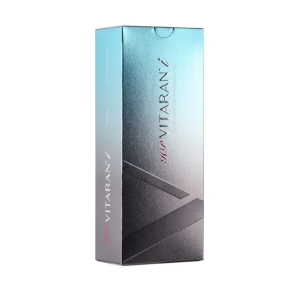

Polynucleotides can be effectively incorporated into aesthetic treatment protocols by first understanding their properties and benefits, and then integrating them into specific procedures that align with patient needs. These naturally occurring molecules, derived from DNA, are known for their regenerative properties, making them ideal for treatments aimed at skin rejuvenation and repair.
Understanding Polynucleotides
Polynucleotides are long-chain nucleic acids that play a crucial role in cellular regeneration and repair. They work by stimulating the production of fibroblasts, which are essential for collagen synthesis. This leads to improved skin elasticity, hydration, and texture. When used in aesthetic treatments, polynucleotides can help address a variety of skin concerns, from fine lines and wrinkles to more extensive tissue damage. Understanding these properties is crucial for practitioners aiming to enhance their treatment protocols.
Integrating Polynucleotides into Treatments
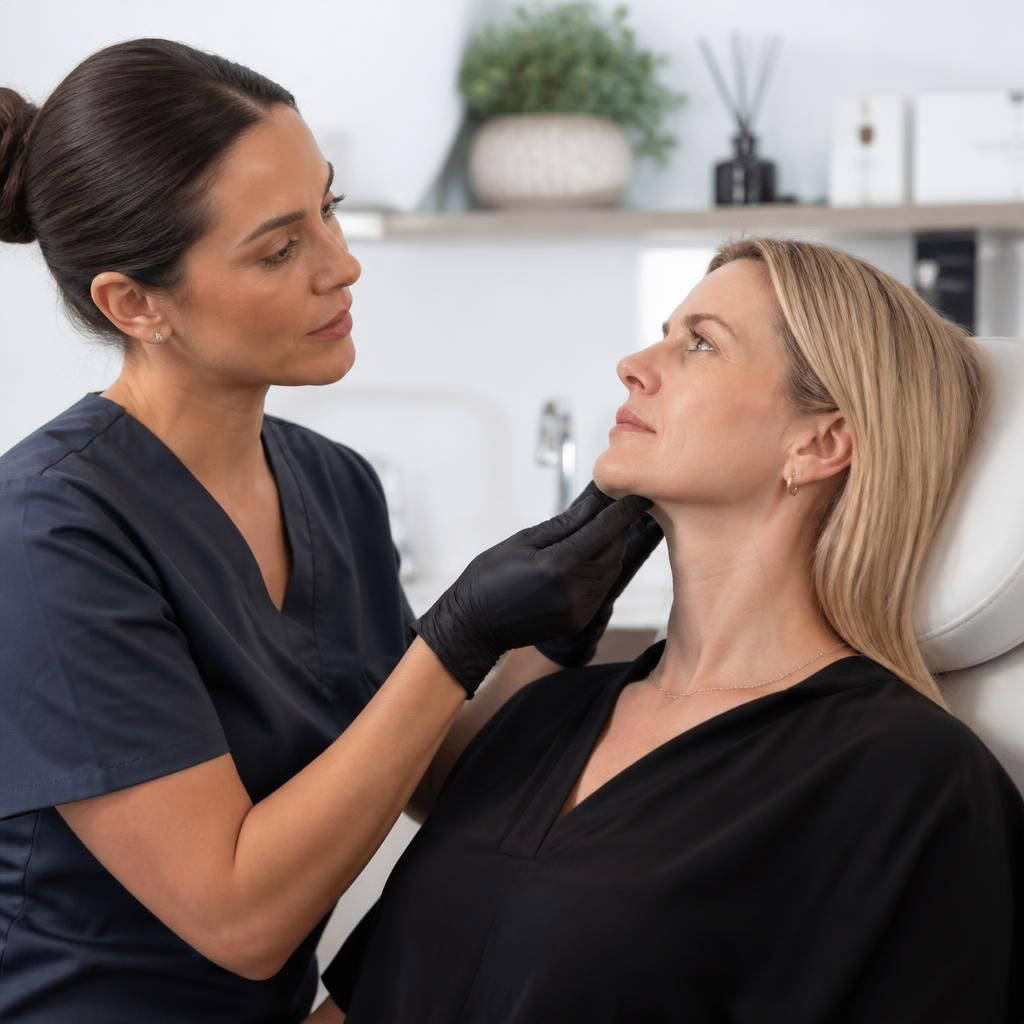
For aesthetic professionals, integrating polynucleotides into existing treatment protocols requires a strategic approach. First, assess the specific needs of the patient and the desired outcomes. Polynucleotides can be used in conjunction with other treatments such as mesotherapy and dermal fillers to enhance results. By tailoring the application method and dosage to individual patient profiles, practitioners can optimise the benefits of polynucleotides, ensuring superior outcomes.
Training and Protocol Development
To effectively incorporate polynucleotides into treatment protocols, practitioners should seek specialised training to understand the nuances of these compounds. This training can cover aspects such as correct injection techniques, appropriate dosages, and potential contraindications. Developing detailed protocols that include patient assessment, treatment planning, and follow-up care can further enhance the effectiveness of polynucleotide treatments. Continuous education and adaptation to new research findings are also important in maintaining the highest standards of care.
Incorporating polynucleotides into treatment protocols begins with a comprehensive understanding of their regenerative properties. Practitioners should conduct a thorough patient assessment to tailor treatments effectively. Polynucleotides can be integrated with other aesthetic procedures to maximise patient outcomes, making them a versatile option for skin rejuvenation.
Training is essential for practitioners to master the application of polynucleotides. This includes learning precise injection techniques and understanding the appropriate dosages for different skin concerns. Specialised training ensures that practitioners can provide safe and effective treatments, thereby enhancing patient satisfaction.
Finally, developing detailed treatment protocols that incorporate polynucleotides can streamline the process and improve consistency in outcomes. By staying informed about the latest research and advancements in aesthetic treatments, practitioners can continuously refine their protocols, ensuring that they offer the most effective solutions to their patients.