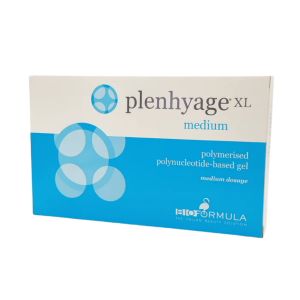

Polynucleotides are gaining recognition for their role in enhancing skin rejuvenation during mesotherapy treatments. These powerful compounds are derived from DNA and RNA, and they work by stimulating cellular regeneration and providing essential support to the skin’s structure. They promote increased collagen production, enhance skin elasticity, and improve overall skin texture, making them a valuable component in aesthetic treatments aimed at rejuvenating the skin.
The Science Behind Polynucleotides
Polynucleotides are biological molecules composed of long chains of nucleotides, which are the building blocks of DNA and RNA. When used in mesotherapy, these molecules penetrate the skin and influence cellular activity at a molecular level. They act by activating fibroblasts, which are cells responsible for synthesising collagen and elastin, two key proteins that maintain the skin’s firmness and elasticity. The result is an improvement in the skin’s structural integrity, leading to a more youthful and revitalised appearance.
Benefits of Polynucleotides in Mesotherapy
Incorporating polynucleotides into mesotherapy treatments offers a range of benefits. Firstly, they help in reducing the appearance of fine lines and wrinkles by promoting collagen synthesis. Secondly, they improve skin hydration by increasing the skin’s moisture retention capacity, which is crucial for maintaining a plump and youthful appearance. Additionally, polynucleotides can aid in repairing damaged skin cells, making them effective for treating scars and other skin imperfections. These benefits make polynucleotides a versatile and valuable tool in skin rejuvenation.
Safety and Efficacy of Polynucleotides
Polynucleotides have been extensively studied for their safety and efficacy in aesthetic treatments. They are biocompatible and well-tolerated by the skin, with a low risk of adverse reactions. Clinical studies have demonstrated their effectiveness in enhancing skin texture, reducing signs of ageing, and improving overall skin health. As a result, polynucleotides are increasingly being integrated into mesotherapy protocols as a reliable option for practitioners seeking to offer advanced skin rejuvenation solutions.
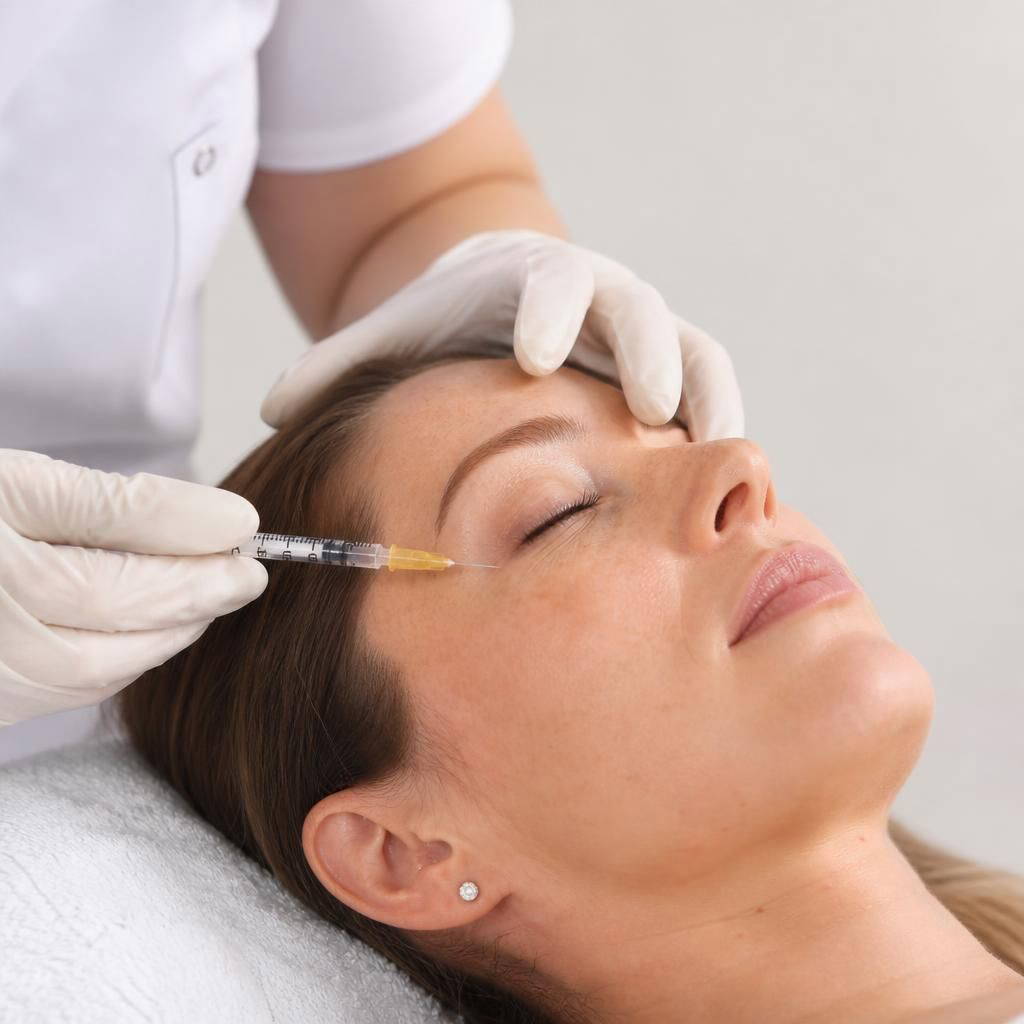
Polynucleotides enhance skin rejuvenation by targeting the underlying cellular processes that contribute to skin ageing. By stimulating fibroblasts, they increase collagen and elastin production, essential for maintaining skin’s firmness and elasticity. This results in a smoother and more youthful appearance, as well as improved skin texture.
In addition to promoting collagen synthesis, polynucleotides improve skin hydration. They enhance the skin’s ability to retain moisture, which is vital for a plump and healthy complexion. Increased hydration also helps in reducing the appearance of fine lines and wrinkles, further contributing to the skin’s rejuvenation.
Furthermore, polynucleotides play a role in repairing and regenerating damaged skin cells. This makes them effective for treating scars and other imperfections, providing a comprehensive approach to skin rejuvenation. Their safety and efficacy make them a trusted choice for practitioners looking to offer advanced mesotherapy treatments.