
When performing mesotherapy and microneedling procedures, several safety precautions must be taken to ensure the well-being of clients and the effectiveness of the treatments. These procedures, though minimally invasive, require careful attention to hygiene, technique, and aftercare to prevent complications and achieve desired results.
Adherence to Hygiene Standards
Maintaining a sterile environment is paramount during both mesotherapy and microneedling. Practitioners should ensure that all equipment is properly sterilised and that disposable needles are used only once to prevent cross-contamination. Gloves, masks, and protective clothing should be worn to minimise the risk of infection. The treatment area on the skin must be thoroughly cleansed with an antiseptic solution before commencing the procedure, reducing the risk of introducing bacteria into the skin.
Proper Technique and Training
Ensuring practitioners are adequately trained and skilled in administering mesotherapy and microneedling is crucial. Incorrect technique can result in uneven results, skin damage, or increased risk of infection. Practitioners should be knowledgeable about the appropriate depth and pressure required for different skin types and conditions. Understanding the anatomy of the skin and underlying structures is essential to avoid complications such as bruising or nerve damage.
Aftercare and Monitoring
Post-treatment care is a critical component of both mesotherapy and microneedling. Clients should be advised on how to care for their skin following the procedure to promote healing and minimise side effects. This includes avoiding sun exposure, using gentle skincare products, and refraining from touching or picking the treated area. Practitioners should provide clear instructions and be available for follow-up consultations to monitor the client’s progress and address any concerns promptly.
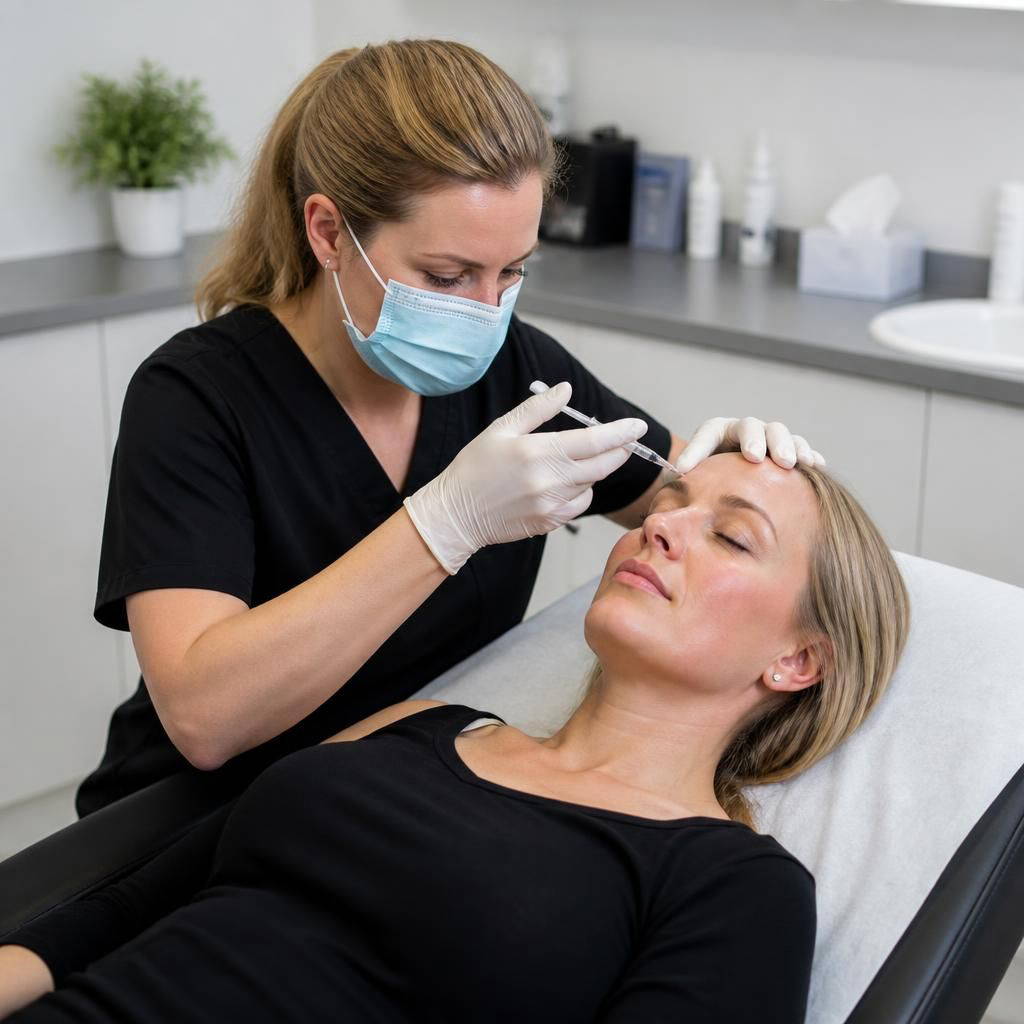
Mesotherapy and microneedling require strict adherence to safety protocols to protect clients and achieve optimal results. Practitioners must maintain a sterile environment and use single-use, sterilised equipment to prevent infection. Proper training is essential to ensure the correct technique is applied, avoiding complications such as skin damage or bruising.
Aftercare plays a vital role in the success of these procedures. Clients should be informed about the importance of protecting their skin from environmental factors and using appropriate skincare products. Providing detailed aftercare instructions helps in promoting healing and reduces the likelihood of adverse effects.
Regular monitoring and follow-up consultations are key to addressing any issues that may arise post-procedure. Practitioners should remain accessible to clients, offering guidance and support throughout the recovery process, ensuring client satisfaction and safety.