
Yes, there are safe options for at-home microneedling to treat stretch marks, offering professional-grade results when performed correctly. Microneedling, also known as collagen induction therapy, involves using a device with tiny needles to create micro-injuries in the skin. This process stimulates the body’s natural healing response, promoting collagen and elastin production, which can help reduce the appearance of stretch marks. While professional treatments are available, high-quality at-home microneedling devices provide a convenient and cost-effective alternative for those seeking to improve their skin’s texture and appearance.
Understanding Microneedling
Microneedling is a minimally invasive procedure designed to improve skin texture by promoting the production of collagen and elastin. It is commonly used for various skin concerns, including fine lines, acne scars, and stretch marks. The process involves using a derma roller or a microneedling pen equipped with fine needles. These needles create tiny punctures in the skin, triggering the body’s natural wound healing process. As the skin repairs itself, it becomes smoother and firmer, helping to reduce the visibility of stretch marks over time.
Choosing the Right At-Home Device
When considering at-home microneedling for stretch marks, selecting a high-quality device is crucial for both safety and efficacy. Look for devices with adjustable needle lengths, as different areas of the body may require varying depths of penetration. Additionally, ensure the device is made from medical-grade materials to minimise the risk of infection or irritation. It is also important to follow the manufacturer’s instructions meticulously and maintain strict hygiene standards to ensure the best possible results without adverse effects.
Safety and Precautions
While at-home microneedling can be effective, it is essential to approach the treatment with caution to ensure safety. Always begin by thoroughly cleansing the skin to remove any impurities that could cause infection. After microneedling, apply a soothing serum or moisturiser to aid in the skin’s recovery process. Avoid sun exposure and use sunscreen diligently, as the skin will be more sensitive following treatment. It is advisable to start with shorter needle lengths and gradually increase as your skin becomes accustomed to the process. Consulting with a dermatologist or skincare professional before starting at-home microneedling is recommended to tailor the approach to your specific skin needs.
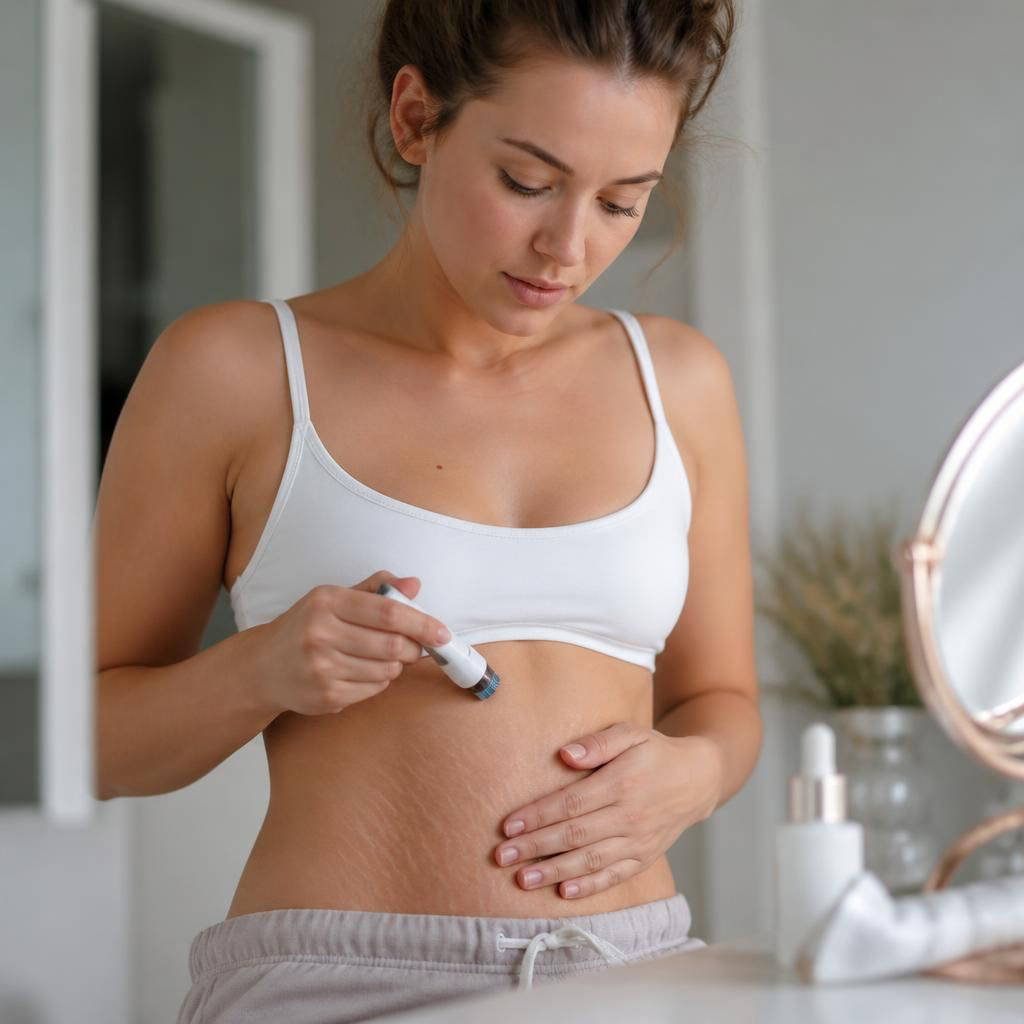
At-home microneedling is a viable solution for those looking to address stretch marks with professional-grade results. By stimulating collagen production, the process helps improve skin texture and reduce the appearance of stretch marks. However, achieving optimal results requires careful selection of a suitable device and adherence to safety protocols.
Choosing a device with adjustable needle lengths allows for customised treatment, catering to different areas of the body. Ensuring the device is made from medical-grade materials further enhances safety and efficacy. Additionally, maintaining a rigorous hygiene routine is crucial to prevent infection and ensure successful outcomes.
Ultimately, while at-home microneedling can be a cost-effective and convenient option, it is essential to proceed with caution. Consulting a skincare professional prior to initiating treatment can provide valuable guidance tailored to individual skin needs, ensuring that the approach taken is both safe and effective in achieving desired results.