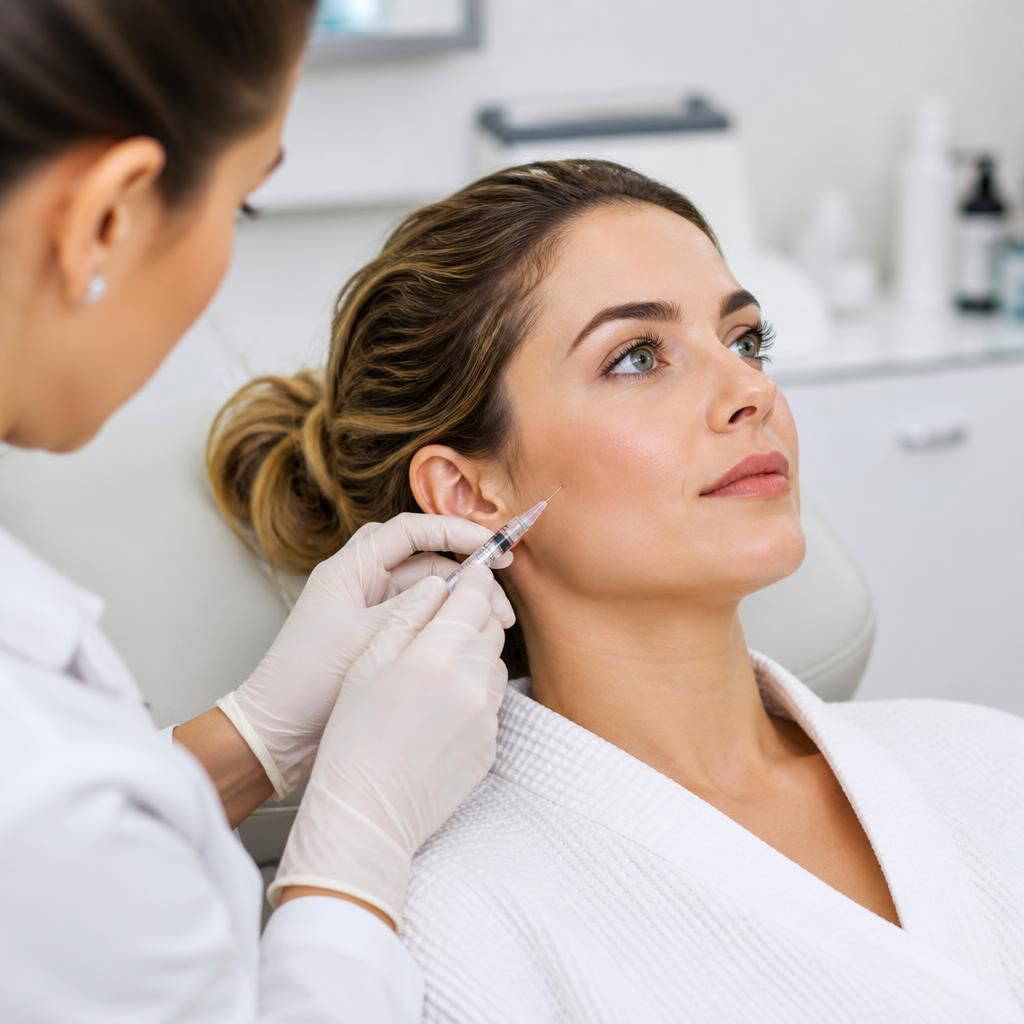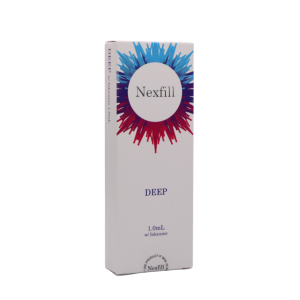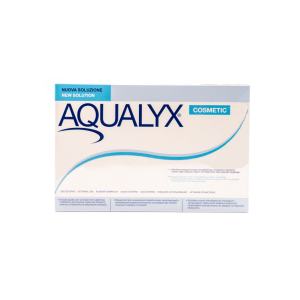

Mesotherapy prices can vary significantly depending on the treatment area and the expected outcomes. Common areas treated include the face, neck, and scalp, each with unique pricing structures. Factors influencing these prices include the complexity of the treatment area, the products used, and the number of sessions required to achieve desired results. Before and after outcomes can also impact pricing, as more extensive transformations may require more sessions or specialised products, thus increasing costs.
Understanding Treatment Areas
Mesotherapy is a versatile treatment applied to various parts of the body, each with distinct pricing. Facial treatments, often aimed at rejuvenation and anti-aging, may be priced differently from scalp treatments intended for hair restoration. The treatment area dictates the technique and type of mesotherapy cocktail used, directly affecting the overall cost. For instance, facial mesotherapy might involve smaller, more precise injections compared to larger areas like the thighs, where a broader approach is necessary.
Factors Influencing Pricing
The cost of mesotherapy is influenced by several factors beyond just the treatment area. The quality and brand of the mesotherapy products used can significantly impact pricing. Premium products with proven efficacy and safety profiles are often more expensive but may offer better results, justifying the higher cost. Additionally, practitioner expertise and clinic location can play a role, with renowned practitioners or clinics in prime locations commanding higher fees.
Assessing Before and After Outcomes
Before and after outcomes are crucial in determining the value of mesotherapy treatments. Patients often evaluate the cost against the visible improvement in their condition. Treatments promising dramatic transformations or targeting specific issues like cellulite reduction may command higher prices due to the complexity and precision required. The number of sessions needed to achieve optimal results also influences overall costs, as more sessions equate to higher cumulative expenses. Understanding these factors can help practitioners set realistic expectations and pricing strategies.
Mesotherapy prices are not uniform and reflect the specific treatment area targeted. Facial treatments generally focus on rejuvenation, employing techniques that require precision, justifying potentially higher costs. In contrast, body treatments, such as those for cellulite reduction, may involve larger areas, affecting the pricing structure differently.
The choice of products used in mesotherapy also impacts prices. High-quality, branded solutions may increase costs but can enhance outcomes, offering better value for money. Practitioners need to balance product quality with treatment affordability to attract and retain clients.
Ultimately, the expected before and after results play a pivotal role in determining mesotherapy pricing. Treatments that promise significant improvements or require multiple sessions will naturally incur higher costs. Transparent communication about expected outcomes and associated costs is essential for patient satisfaction and trust.