
Under eye devices and traditional mesotherapy techniques both offer solutions for addressing concerns such as dark circles, puffiness, and fine lines around the eyes. While mesotherapy involves injections of vitamins, enzymes, hormones, and plant extracts to rejuvenate and tighten skin, under eye devices typically use technologies like microcurrent, LED light therapy, or radiofrequency to achieve similar results. The choice between these methods may depend on factors such as the specific concerns being treated, patient preference, cost, and desired outcomes.
Understanding Mesotherapy Techniques
Mesotherapy has been a staple in aesthetic treatments for several decades. It involves the use of fine needles to deliver a series of injections into the middle layer of skin. This technique targets underlying issues like poor circulation and inflammation, which can cause skin damage. Mesotherapy is praised for its ability to deliver nutrients directly to the skin layer where they are most needed. The procedure is usually performed by trained professionals and requires a series of sessions for optimal results. Although it can be uncomfortable due to the use of needles, many patients find the results to be worth the minor discomfort.
The Rise of Under Eye Devices
In recent years, non-invasive under eye devices have gained popularity as an alternative to traditional mesotherapy. These devices often utilise cutting-edge technology to stimulate collagen production, improve blood circulation, and enhance skin elasticity without the need for needles. Common types of devices include those that use microcurrent technology, which mimics the body’s natural electrical currents to tone and lift the skin, and LED light therapy, which uses specific wavelengths of light to target skin concerns. The appeal of these devices lies in their pain-free application and convenience, allowing individuals to incorporate treatments into their regular skincare routines with minimal downtime.
Comparing Effectiveness and Suitability
When comparing under eye devices and mesotherapy, effectiveness can vary based on the individual’s skin type, age, and specific concerns. Mesotherapy is often considered more potent due to its direct delivery of active ingredients into the skin, making it suitable for more severe cases of skin ageing or damage. On the other hand, under eye devices are ideal for those seeking a preventative approach or for maintaining results achieved from more intensive treatments. Additionally, devices are generally more accessible and can be used at home, providing a flexible option for ongoing skin maintenance. Ultimately, the choice between these two methods should be guided by a professional’s recommendation, tailored to the individual’s unique skin needs and treatment goals.
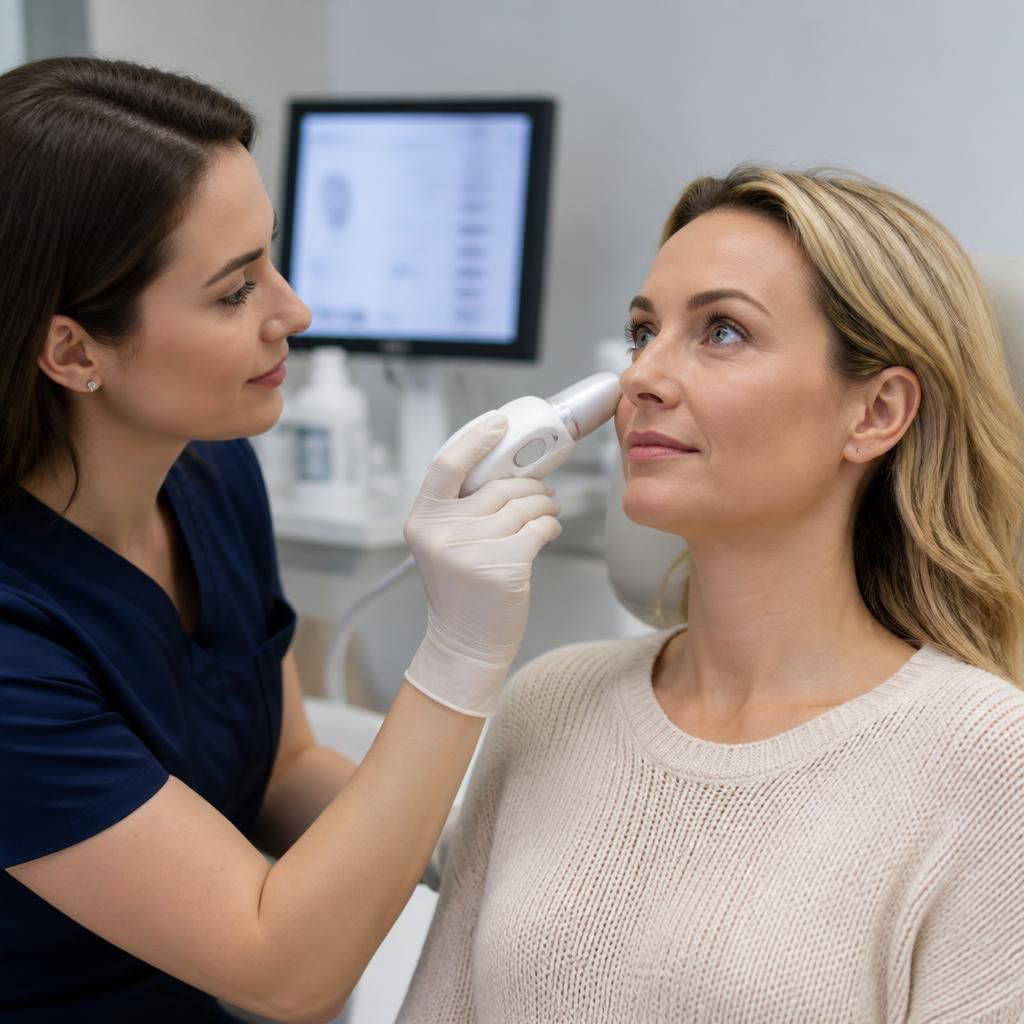
In comparing under eye devices with mesotherapy techniques, it is essential to consider the desired outcome and the patient’s comfort level. Mesotherapy offers a more intensive treatment, with the potential for greater immediate impact due to the direct delivery of nutrients to the skin. However, it involves needles, which may not be suitable for everyone.
Under eye devices, on the other hand, provide a non-invasive alternative that is generally more comfortable and convenient. These devices can be used regularly at home, making them an appealing option for ongoing maintenance and prevention. Their ability to stimulate natural skin processes without injections is a significant advantage for individuals wary of needles.
Ultimately, the best choice depends on the individual’s skin concerns, treatment goals, and personal preferences. Consulting with a skincare professional can help determine the most suitable approach, ensuring effective and satisfying results.