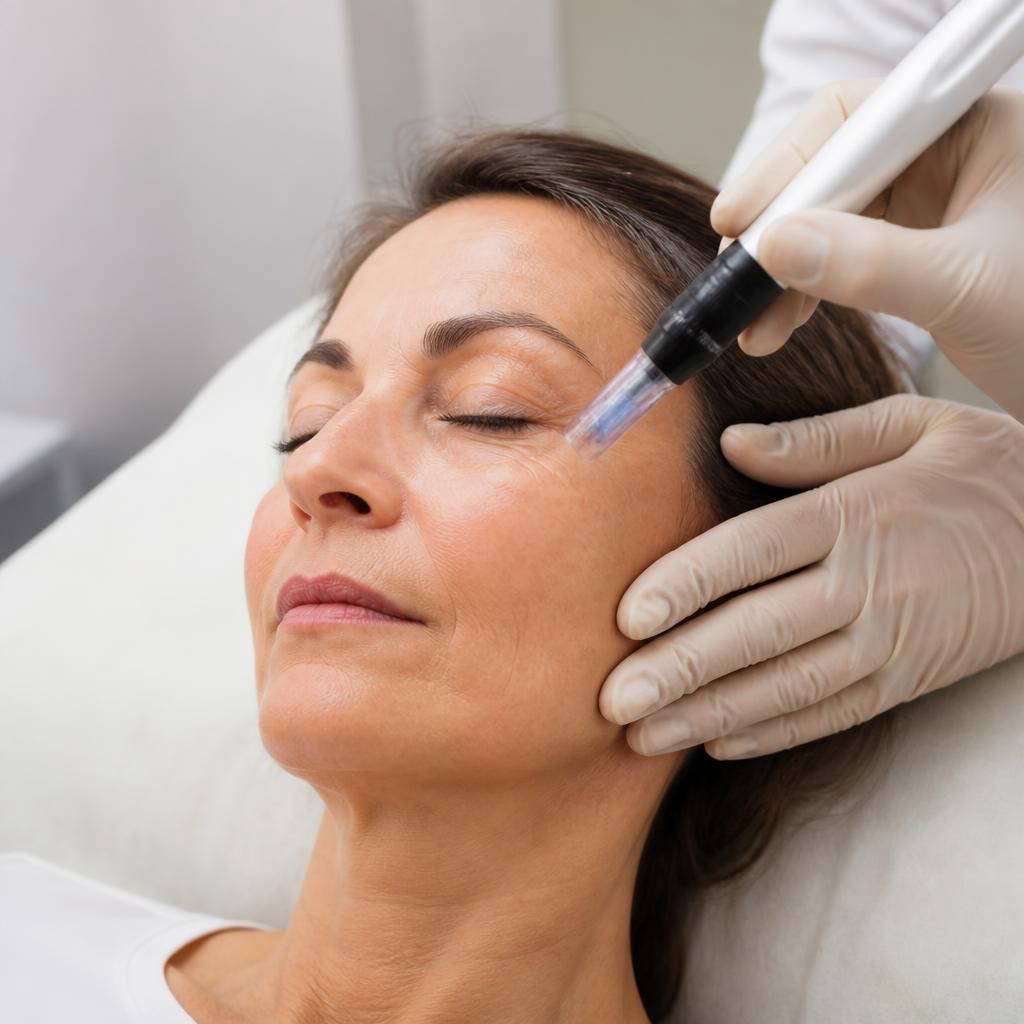

Fractional microneedling and traditional needling face treatments both aim to rejuvenate the under-eye area, but they differ in technique and outcomes. Fractional microneedling utilises a device that creates micro-injuries in a fractionated manner, promoting collagen production and skin renewal. Traditional needling, on the other hand, involves manually puncturing the skin with needles, which can also stimulate collagen but may not offer the same precision and depth control as fractional devices.
Understanding Fractional Microneedling
Fractional microneedling is a modern approach that employs advanced technology to deliver controlled micro-injuries to the skin. This method uses a device equipped with fine needles that penetrate the skin at various depths, creating tiny, controlled wounds. The process stimulates the body’s natural healing response, leading to increased collagen and elastin production. This results in firmer, smoother skin, making it particularly effective for delicate areas like under the eyes. The fractional aspect means only a portion of the skin is treated in each session, promoting faster healing and reducing downtime compared to traditional methods.
Exploring Traditional Needling Treatments
Traditional needling, often referred to as dermarolling or microneedling, involves the use of a handheld roller covered with tiny needles. This technique manually creates punctures in the skin, which can also trigger collagen production. While effective, traditional needling may not offer the same level of precision as fractional devices. The depth of needle penetration is determined by the pressure applied, which can vary depending on the practitioner. This can result in less consistent outcomes, especially in sensitive areas like under the eyes. Additionally, traditional needling may require longer recovery times due to the larger area of skin affected.
Comparing Results and Benefits
Both fractional and traditional microneedling aim to improve skin texture and appearance by promoting collagen production. However, fractional microneedling offers a more targeted approach, allowing for precise treatment of specific areas such as under the eyes. This precision can lead to more noticeable improvements in skin tone and elasticity. Moreover, fractional microneedling typically involves less discomfort and reduced recovery time, making it a more appealing option for those seeking minimal downtime. Ultimately, the choice between fractional and traditional needling will depend on individual needs and the desired outcomes. Consulting with a qualified practitioner can help determine the most suitable treatment for under-eye rejuvenation.
Fractional microneedling stands out due to its precision and ability to target specific areas, making it ideal for sensitive regions like the under-eye area. The fractional technique ensures that only a portion of the skin is treated at a time, reducing downtime and promoting quicker healing. This method is particularly beneficial for individuals seeking noticeable improvements with minimal recovery.
In contrast, traditional needling relies on manual pressure, which can lead to varying depths of needle penetration. This may result in less consistent outcomes, particularly in delicate areas. While both methods aim to stimulate collagen production, fractional microneedling offers a more advanced approach, leading to enhanced skin texture and firmness.
Ultimately, the choice between fractional and traditional microneedling should be guided by the specific needs of the individual and the expertise of the practitioner. For optimal results, professional consultation is recommended to tailor the treatment to the patient’s unique skin concerns.