
Mesotherapy is a popular minimally invasive treatment used for various aesthetic purposes, including skin rejuvenation and fat reduction. While generally considered safe, it is essential to be aware of potential side effects following mesotherapy sessions. These can range from mild discomfort to more significant reactions, depending on individual circumstances and the specific substances used in the procedure.
Common Side Effects
Common side effects of mesotherapy include redness, swelling, and bruising at the injection site. These reactions are generally mild and temporary, typically resolving within a few days. Some individuals may experience itching or a burning sensation, which is usually short-lived. It is important to note that these side effects are often a normal response to the injection process and should not cause undue concern.
Potential Allergic Reactions
In rare cases, patients may experience allergic reactions to the substances injected during mesotherapy. Symptoms of an allergic reaction can include rash, severe itching, or difficulty breathing. It is crucial for practitioners to conduct a thorough medical history assessment and possibly a patch test before proceeding with treatment to minimise the risk of adverse reactions. If an allergic reaction occurs, immediate medical attention is necessary.
Infection Risks
Although rare, infections can occur if proper hygiene protocols are not followed. This risk underscores the importance of ensuring that all equipment is sterile and that the practitioner’s hands and the treatment area are thoroughly cleaned. Signs of infection include persistent redness, warmth, pus, or fever. Patients should be advised to contact their healthcare provider if they suspect an infection, as prompt treatment is essential.

To minimise the risk of side effects, it is crucial for practitioners to adhere to strict hygiene standards and use high-quality, sterile products. Patients should be informed about the potential side effects and instructed on appropriate aftercare measures to promote healing and reduce discomfort.
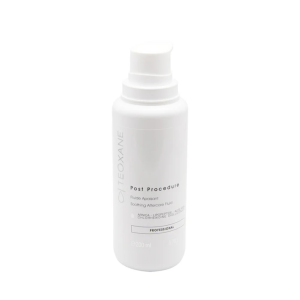
Aftercare is a vital component of the mesotherapy process, and patients should be advised to avoid strenuous activities and direct sun exposure immediately following treatment. Applying a gentle, soothing cream can help alleviate any irritation and promote skin recovery. Additionally, staying hydrated and maintaining a healthy lifestyle can support the healing process.
In summary, while mesotherapy is generally safe, being aware of potential side effects and taking appropriate precautions can enhance the treatment experience and outcomes. Practitioners should ensure patients are well-informed and prepared for the procedure, fostering a safe and effective mesotherapy journey.