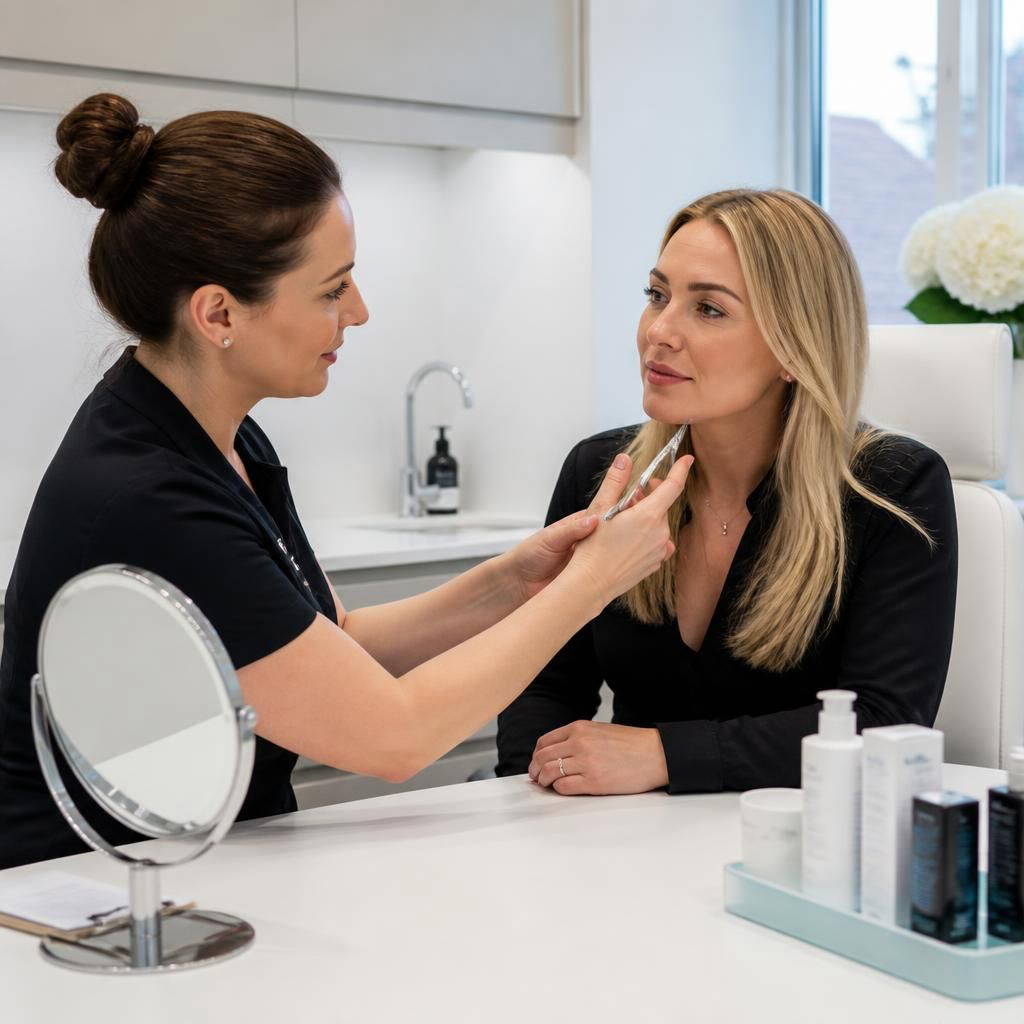

When considering anti-ageing injections, safety is paramount. These procedures, often involving dermal fillers or other injectables, require careful consideration to ensure the well-being of clients. The primary safety considerations include the qualifications of the practitioner, the quality and origin of the products used, and adherence to proper hygiene and procedural standards.
Qualification of Practitioners
Ensuring that the practitioner is adequately qualified and experienced is crucial. Professionals administering these injections should have relevant training and certifications. It’s advisable to seek practitioners who are registered with recognised medical or aesthetic bodies, as this ensures they adhere to industry standards and guidelines. Experienced practitioners are better equipped to handle complications, should they arise, and can provide a higher standard of care.
Quality and Origin of Products
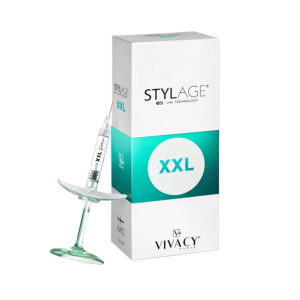
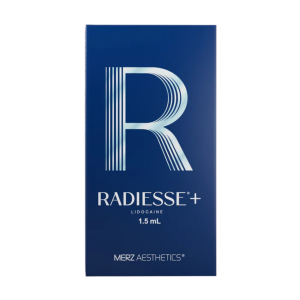
The quality of the products used in anti-ageing injections cannot be overstated. It is essential to use products sourced from reputable manufacturers and suppliers. Clients should be encouraged to ask about the origin of the products and whether they are approved by relevant regulatory bodies. High-quality products reduce the risk of adverse reactions and ensure better results.
Hygiene and Procedural Standards
Maintaining strict hygiene standards is a fundamental aspect of ensuring safety during anti-ageing injections. The environment where the procedure is performed should be clean and sterile to prevent infections. Practitioners should follow proper procedural protocols, including the use of sterilised equipment and disposable needles. Clients should also be informed about post-procedure care to aid recovery and minimise risks.
Anti-ageing injections, while popular, require careful attention to safety to ensure optimal results and client satisfaction. One of the most critical aspects is the practitioner’s expertise. Those seeking such treatments should verify the credentials and experience of the person administering the injections.
Another vital consideration is the quality of the injectable products. Clients should ensure that the products are sourced from reputable suppliers and have been approved by relevant health authorities. This guarantees the safety and efficacy of the treatment.
Finally, maintaining a sterile environment and following proper procedural standards are essential to minimise the risk of infection and complications. Practitioners must adhere to strict hygiene protocols and inform clients about necessary post-treatment care. By focusing on these safety measures, clients can achieve their desired results while minimising potential risks.