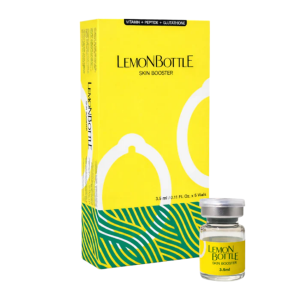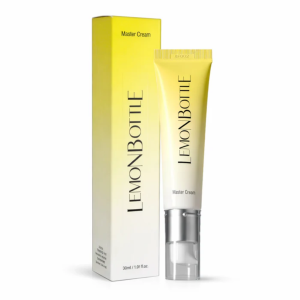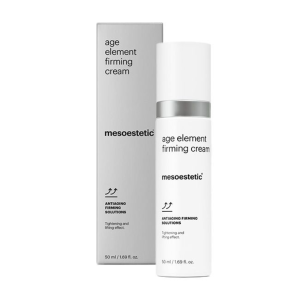

Retinol anti-wrinkle products and firming anti-wrinkle creams serve distinct purposes in skincare routines, each targeting different aspects of skin ageing. Retinol, a derivative of vitamin A, primarily focuses on enhancing skin texture and reducing the appearance of fine lines through its cell turnover promotion. In contrast, firming anti-wrinkle creams aim to tighten and lift sagging skin, often using ingredients like peptides and collagen to improve skin elasticity.
Understanding Retinol Products
Retinol is a potent ingredient renowned for its ability to accelerate skin cell turnover, thereby helping to diminish the appearance of fine lines and wrinkles. It works by penetrating deep into the skin to stimulate collagen production, which is essential for maintaining skin’s youthful appearance. Retinol’s effectiveness in improving skin texture and tone makes it a popular choice for those looking to combat early signs of ageing. However, it’s important to note that retinol can cause irritation, especially for those with sensitive skin, and should be used as directed by a skincare professional.
The Role of Firming Anti-Wrinkle Creams
Firming anti-wrinkle creams, on the other hand, focus on enhancing the skin’s elasticity and firmness. These creams typically contain ingredients such as peptides, hyaluronic acid, and collagen boosters that work together to lift and tighten the skin. By strengthening the skin’s support structure, firming creams can reduce the appearance of sagging and improve overall skin tone. This makes them particularly beneficial for individuals experiencing more advanced signs of ageing, where loss of firmness is a primary concern.
Choosing the Right Product for Your Needs
The choice between retinol products and firming creams largely depends on the specific ageing concerns one wishes to address. Retinol is ideal for those targeting fine lines and improving skin texture, while firming creams are better suited for those dealing with loss of firmness and elasticity. It’s worth consulting with a skincare professional to determine the most suitable product based on individual skin type and ageing concerns. Additionally, integrating both types of products into a comprehensive skincare regimen can provide synergistic benefits, addressing multiple aspects of skin ageing simultaneously.
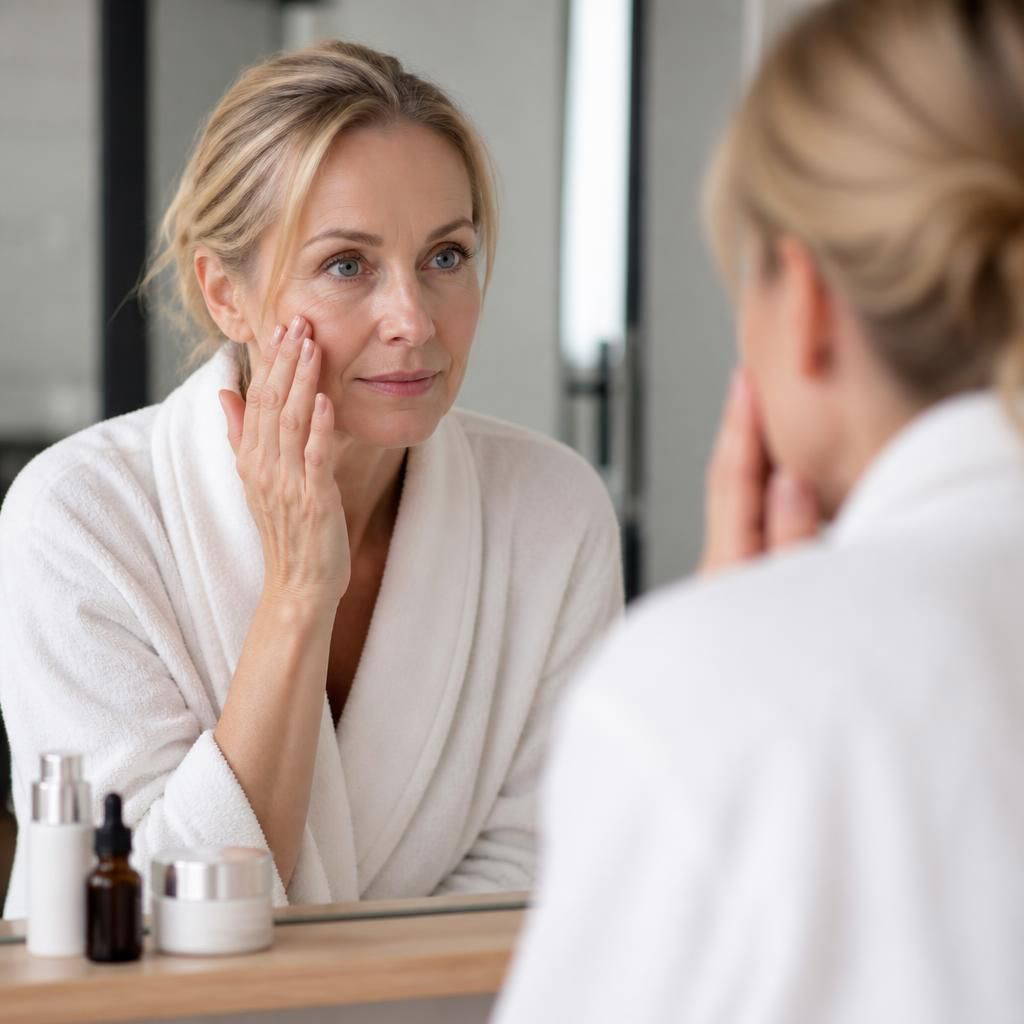
While retinol products and firming creams both aim to combat the signs of ageing, they do so through different mechanisms. Retinol works by increasing cell turnover, which helps to smooth out fine lines and improve texture. This makes retinol particularly effective for younger individuals or those just beginning to notice signs of ageing.
Firming creams, in contrast, are designed to address skin laxity and sagging by boosting collagen and elastin production. They are particularly beneficial for those experiencing more pronounced ageing, where skin firmness is a concern. These creams often include ingredients that hydrate and plump the skin, providing an immediate lifting effect.
Ultimately, the choice between the two should be guided by the specific needs and conditions of one’s skin. A tailored approach, possibly incorporating both product types, can yield the best results in achieving a youthful, radiant complexion.