
Polynucleotide injections have gained attention in the skincare industry as a promising treatment option. Generally, these injections are considered safe for a wide range of skin types. They work by stimulating the skin’s natural repair processes, promoting improved elasticity and hydration. However, it is important to consult with a qualified practitioner who can assess individual skin conditions and determine the most appropriate treatment plan.
Understanding Polynucleotide Injections
Polynucleotide injections involve the delivery of nucleotides, the building blocks of DNA, directly into the skin. This process aids in skin rejuvenation by enhancing cellular regeneration and collagen production. Such treatments can address various skin concerns, including fine lines, wrinkles, and uneven texture. While generally safe, it is crucial to ensure that the procedure is performed by trained professionals to minimise risks and achieve optimal results.
Suitability for Different Skin Types
Polynucleotide injections are designed to be versatile, making them suitable for a broad spectrum of skin types. Whether your skin is dry, oily, sensitive, or combination, these injections can be tailored to meet specific needs. However, individuals with certain medical conditions or allergies should disclose this information to their practitioner, as it may affect the safety and efficacy of the treatment. A thorough assessment will help identify the best approach for each unique skin type.
What to Expect During Treatment
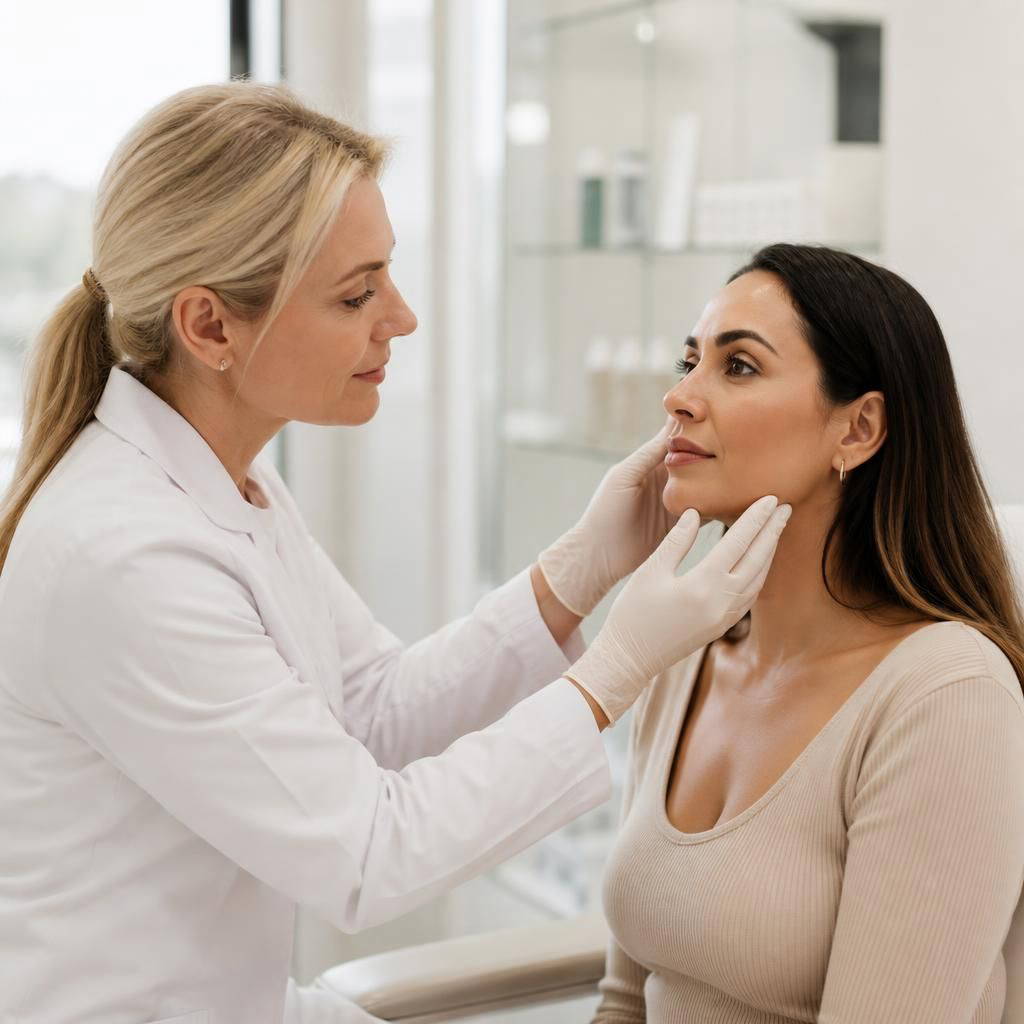
During a polynucleotide injection session, a practitioner will first cleanse the treatment area and may apply a topical anaesthetic to ensure comfort. The injections are then administered using fine needles, targeting specific areas of the face or body. The procedure is typically quick, with minimal discomfort. Post-treatment, clients may experience mild redness or swelling, which usually subsides within a few days. It is essential to follow aftercare instructions provided by the practitioner to support healing and maximise the benefits of the treatment.
Polynucleotide injections are generally considered safe when administered by a qualified professional. They offer a non-surgical option for individuals seeking skin rejuvenation, with minimal downtime and recovery required. The safety profile of these injections largely depends on the expertise of the practitioner and adherence to proper protocols.
For most skin types, polynucleotide injections can be a beneficial addition to skincare routines, promoting cellular repair and improving skin texture. However, it is important to discuss any pre-existing skin conditions or allergies with your practitioner to ensure the treatment is suitable for you.
Clients should anticipate a straightforward procedure with manageable side effects, such as mild redness or swelling. Following post-treatment care advice is crucial for optimal results. By consulting with a knowledgeable professional, clients can achieve their desired outcomes while ensuring the safety and effectiveness of the treatment.