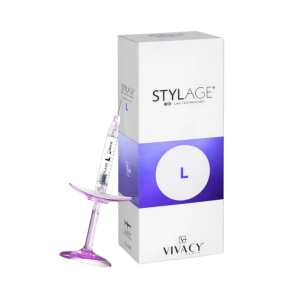

Booster injections for the eyes, often referred to as skin boosters, are designed to hydrate, rejuvenate, and improve the skin’s elasticity in delicate areas. These treatments, while generally safe, require careful consideration of several safety aspects to ensure the best outcomes. Ensuring the procedure is conducted by a qualified professional, understanding potential side effects, and following post-treatment care guidelines are crucial for maintaining eye health and achieving desired results.
Professional Qualifications and Training
One of the primary safety considerations is the qualification and experience of the practitioner administering the injections. It is essential to choose a licensed and trained professional with a proven track record in aesthetic treatments, particularly those involving sensitive areas like the eyes. Proper training ensures that the practitioner can accurately assess the suitability of the treatment for each individual and apply the product safely, minimising risks of complications such as infection or incorrect placement.
Understanding Potential Side Effects
While booster injections for the eyes are generally considered safe, patients should be aware of potential side effects. Common side effects include redness, swelling, and bruising at the injection site, which typically resolve within a few days. More serious complications, although rare, may include allergic reactions or vascular occlusion. It is vital for patients to discuss their medical history and any allergies with their practitioner before undergoing the procedure to mitigate these risks.
Post-Treatment Care and Monitoring
Post-treatment care is another critical aspect of ensuring safety and effectiveness. Patients should follow the practitioner’s advice regarding aftercare, which may include avoiding direct sunlight, refraining from strenuous activities, and applying recommended topical products to aid recovery. Monitoring the treated area for any unusual symptoms and maintaining open communication with the practitioner can help address any concerns promptly, ensuring a safe and satisfactory outcome.
Ensuring safety in booster injections for the eyes begins with selecting a qualified practitioner. This choice is crucial as it directly impacts the precision and safety of the procedure. A skilled professional will assess individual needs and determine the appropriate treatment plan, taking into account the delicate nature of the eye area.
Being informed about potential side effects is equally important. Patients should be aware of both common and rare complications, allowing them to make informed decisions about their treatment. Open discussions with the practitioner can help identify any personal risk factors and ensure that necessary precautions are taken.
Finally, adhering to post-treatment care instructions is vital for maintaining safety and achieving optimal results. Proper aftercare minimises the risk of complications and supports the healing process. By following the practitioner’s guidelines and staying vigilant for any adverse reactions, patients can enhance the safety and effectiveness of their eye booster treatments.