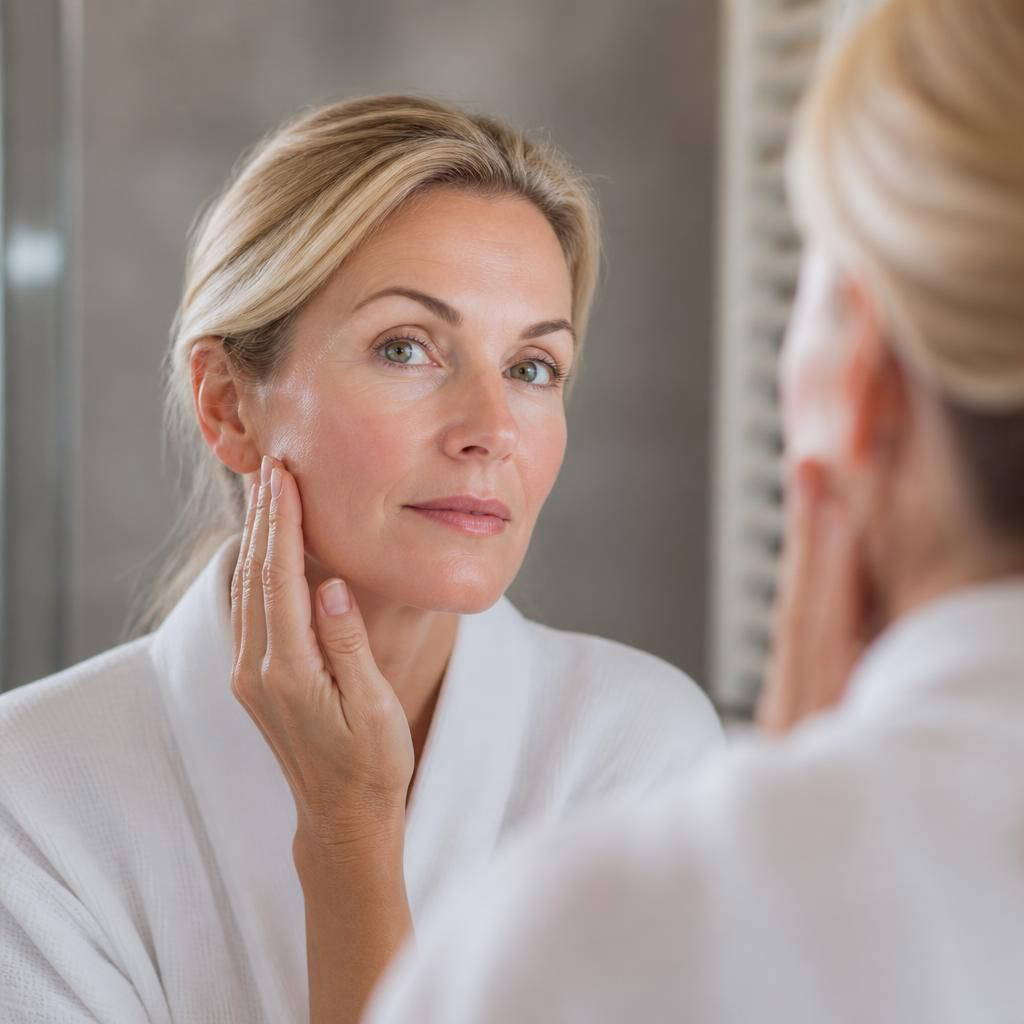

Determining if laser resurfacing is suitable for your skin type involves understanding both the benefits and potential risks associated with the procedure. Laser resurfacing can effectively address various skin concerns, such as fine lines, wrinkles, and uneven skin tone. However, the suitability of this treatment largely depends on your skin type, condition, and specific goals.
Understanding Your Skin Type
Skin types can range from oily to dry, sensitive to resilient, and fair to dark. Each type reacts differently to laser treatments. For instance, individuals with lighter skin tones often have a lower risk of hyperpigmentation and may experience more predictable outcomes with laser resurfacing. Conversely, those with darker skin tones might be at a higher risk for pigmentation changes and should approach the procedure with caution. Consulting with a qualified dermatologist or aesthetic practitioner is essential to evaluate your skin type accurately.
Consultation and Professional Assessment
Before undergoing laser resurfacing, a thorough consultation with a professional is crucial. During this consultation, the practitioner will assess your skin’s condition, discuss your aesthetic goals, and review your medical history. They may also perform a patch test to determine how your skin reacts to the laser. This step is vital in identifying the most appropriate laser technology and settings for your specific skin type, thereby minimising the risk of adverse effects and ensuring optimal results.
Potential Risks and Considerations
While laser resurfacing can offer impressive results, it is not without risks. Potential side effects include redness, swelling, and, in some cases, scarring or changes in skin pigmentation. Individuals with certain skin conditions, such as active acne or eczema, may not be ideal candidates for this treatment. Additionally, those who are prone to keloid scarring should discuss these concerns with their practitioner. Understanding these risks and considering alternative treatments might be necessary if laser resurfacing is deemed unsuitable for your skin type.
Post-Treatment Care
The success of laser resurfacing also heavily relies on proper post-treatment care. Following the procedure, your skin will be more sensitive and require a tailored skincare regimen to promote healing and maintain results. This includes using gentle cleansers, applying moisturisers regularly, and protecting your skin from sun exposure. Adhering to the aftercare instructions provided by your practitioner is crucial to prevent complications and achieve desired outcomes.
Laser resurfacing can be a transformative treatment for many, but it requires careful consideration of your unique skin characteristics. Start by identifying your skin type and understanding its specific needs. This knowledge will guide you in making informed decisions about whether laser resurfacing is appropriate for you.
Consultation with a qualified professional is paramount. They will provide a detailed skin assessment and discuss your expectations. This step ensures that the chosen laser treatment aligns with your skin type and goals, reducing the likelihood of adverse effects.
Finally, be mindful of the importance of post-treatment care. Following the procedure, your skin will need special attention to heal properly and achieve optimal results. By adhering to a recommended skincare routine and avoiding sun exposure, you can maximise the benefits of laser resurfacing while minimising potential risks.