
The results of laser under-eye wrinkle treatments typically last between six months to a year. However, the longevity of these results can vary based on several factors, including the individual’s skin type, the specific laser technology used, and the patient’s adherence to post-treatment care. Understanding these elements can help manage expectations and ensure optimal outcomes.
Factors Influencing Longevity
The duration of laser treatment results can be influenced by the type of laser used. Fractional lasers, for instance, often yield longer-lasting results compared to non-ablative lasers due to their deeper penetration and ability to stimulate collagen production more effectively. Additionally, the patient’s age, skin condition, and lifestyle choices, such as smoking and sun exposure, play a significant role in how long the results will remain visible.
Post-Treatment Care
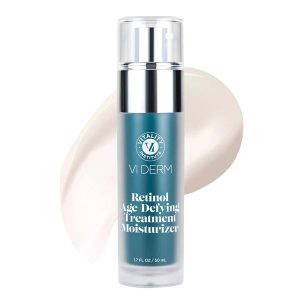
Adhering to recommended post-treatment care is crucial for prolonging the effects of laser treatments. Patients are advised to use high-quality skincare products, such as those containing antioxidants and peptides, to support skin health and maintain results. Regular use of sunscreen with a high SPF is also essential to protect the skin from harmful UV rays, which can otherwise undermine the treatment’s effectiveness and lead to premature skin ageing.
Importance of Professional Guidance
Consultation with a qualified practitioner is vital before undergoing any laser treatment. A professional can provide personalised advice based on an individual’s skin type and aesthetic goals, ensuring that the chosen treatment aligns with the patient’s expectations. Furthermore, practitioners can offer guidance on follow-up sessions, which may be necessary to maintain the desired results over time. Regular check-ups can help adjust the treatment plan as needed, maximising the longevity of the outcomes.
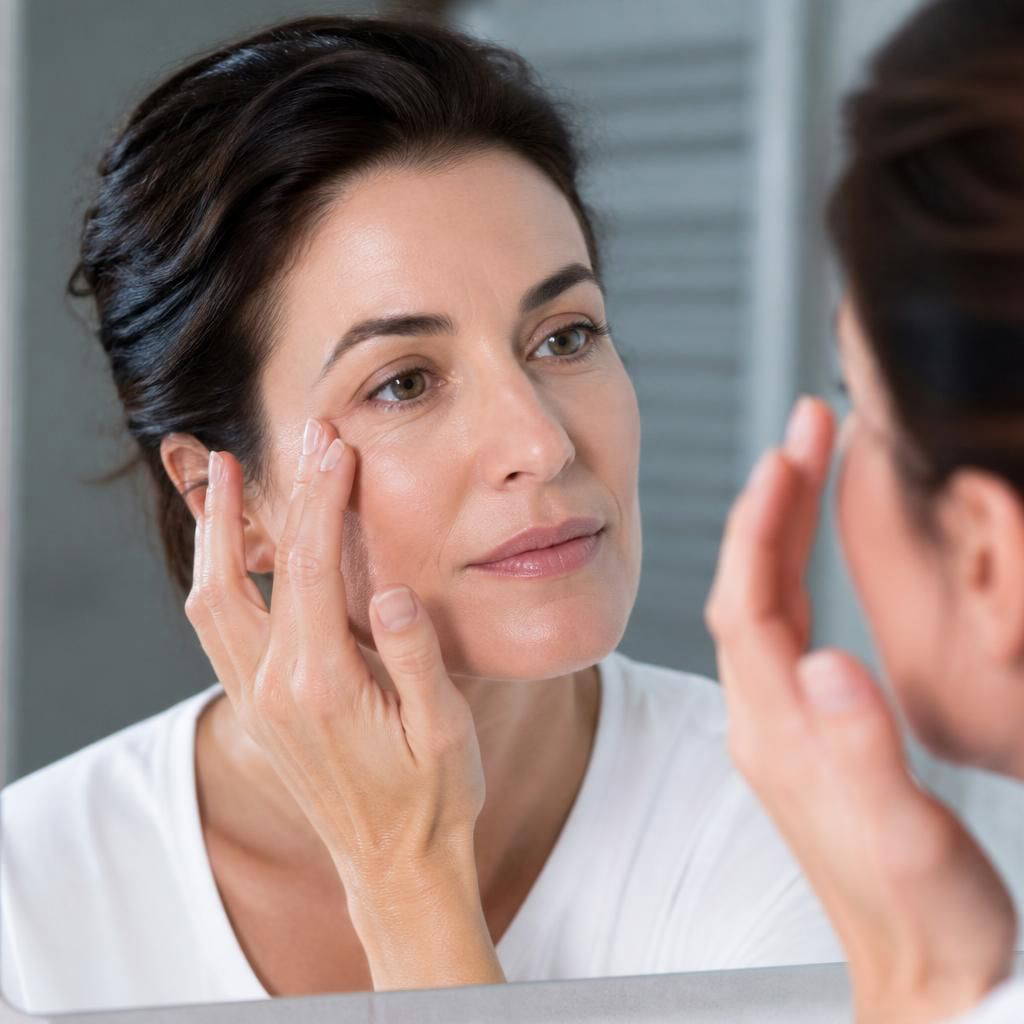
Laser treatments for under-eye wrinkles can provide significant improvements, but the results are not permanent. Regular maintenance treatments are often recommended to sustain the desired effects. Typically, practitioners may suggest follow-up sessions every six to twelve months, depending on individual circumstances.
Patients should also consider integrating complementary skincare routines and lifestyle changes to enhance and prolong the treatment results. A balanced diet, adequate hydration, and avoiding smoking and excessive sun exposure can all contribute to maintaining healthier skin.
Ultimately, while laser treatments offer an effective solution for reducing under-eye wrinkles, their longevity is contingent upon a combination of factors. By working closely with a trained professional and committing to a comprehensive skincare regimen, patients can maximise the benefits of their treatment and enjoy more youthful-looking skin for extended periods.