
Laser skin resurfacing is a popular choice for those seeking to rejuvenate their skin. It offers a precise method for improving skin texture and tone by targeting specific areas with concentrated light beams. This technique can effectively reduce wrinkles, scars, and other blemishes, providing noticeable results. However, it is not the only option available for skin rejuvenation, and its suitability depends on individual skin types and goals.
Comparing Techniques
When comparing laser skin resurfacing to other techniques, it’s important to consider the goals and needs of the patient. Chemical peels, for example, work by applying a chemical solution to exfoliate and peel away the outer skin layers. This method can be effective for treating superficial blemishes and improving skin texture. However, it may not be as precise as laser treatments in targeting deeper wrinkles or scars. Microdermabrasion, another alternative, involves physically exfoliating the skin with a specialised device. While it is less invasive and requires minimal downtime, it may not deliver the same level of results for deeper skin imperfections compared to laser resurfacing.
Suitability and Results
Laser skin resurfacing is particularly suitable for individuals with moderate to severe skin concerns, such as deep wrinkles, acne scars, or sun damage. The technology allows for controlled penetration of the skin layers, offering a customisable approach to treatment. This precision can lead to more dramatic improvements in skin appearance, particularly for those with significant concerns. On the other hand, individuals with milder concerns or sensitive skin may prefer less aggressive treatments like chemical peels or microdermabrasion, which can offer satisfactory results with lower risk of potential side effects such as redness or irritation.
Considerations for Clinics
For clinics and practitioners, choosing the right skin rejuvenation technique involves balancing effectiveness with patient safety and satisfaction. Laser skin resurfacing requires specialised equipment and trained professionals to ensure optimal results and minimise risks. It also demands a thorough understanding of patient skin types and conditions to tailor treatments appropriately. Other techniques like chemical peels and microdermabrasion, while generally more accessible, still require skilled application to achieve desired outcomes. Clinics must weigh these factors to provide the best care for their patients, considering both the technological capabilities and the expertise of their staff.
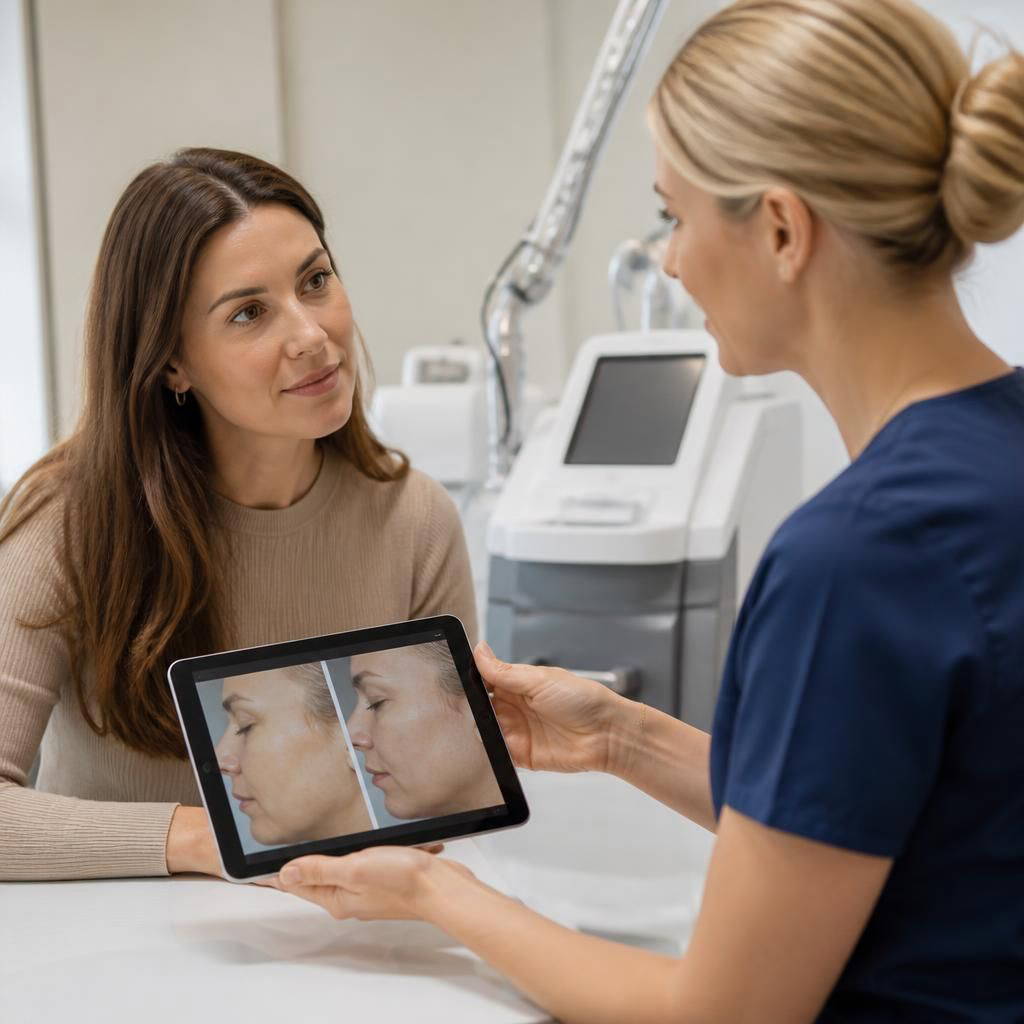
Laser skin resurfacing offers a precise and effective option for addressing moderate to severe skin issues, such as deep wrinkles and scars. Its ability to target specific areas with controlled intensity makes it a preferred choice for many seeking significant improvements. However, it requires specialised equipment and skilled practitioners to ensure safe and effective results, making it a more involved process than some other techniques.
On the other hand, techniques like chemical peels and microdermabrasion offer viable alternatives for those with milder skin concerns or those seeking less invasive options. These methods can improve skin texture and tone with less downtime but may not achieve the same level of correction for deeper issues as laser treatments.
Ultimately, the choice between laser skin resurfacing and other techniques depends on individual skin types, concerns, and treatment goals. Clinics should assess these factors carefully to recommend the most suitable option for each patient, ensuring a balance between effectiveness, safety, and patient satisfaction.