
Microneedling is a minimally invasive cosmetic procedure that has gained popularity as a treatment for various skin concerns, including rosacea and melasma. While it may not be a cure-all, microneedling can potentially improve the appearance of these conditions by stimulating collagen production and enhancing skin texture. However, it is crucial to approach this treatment with realistic expectations and under the guidance of a qualified practitioner.
Understanding Rosacea and Melasma
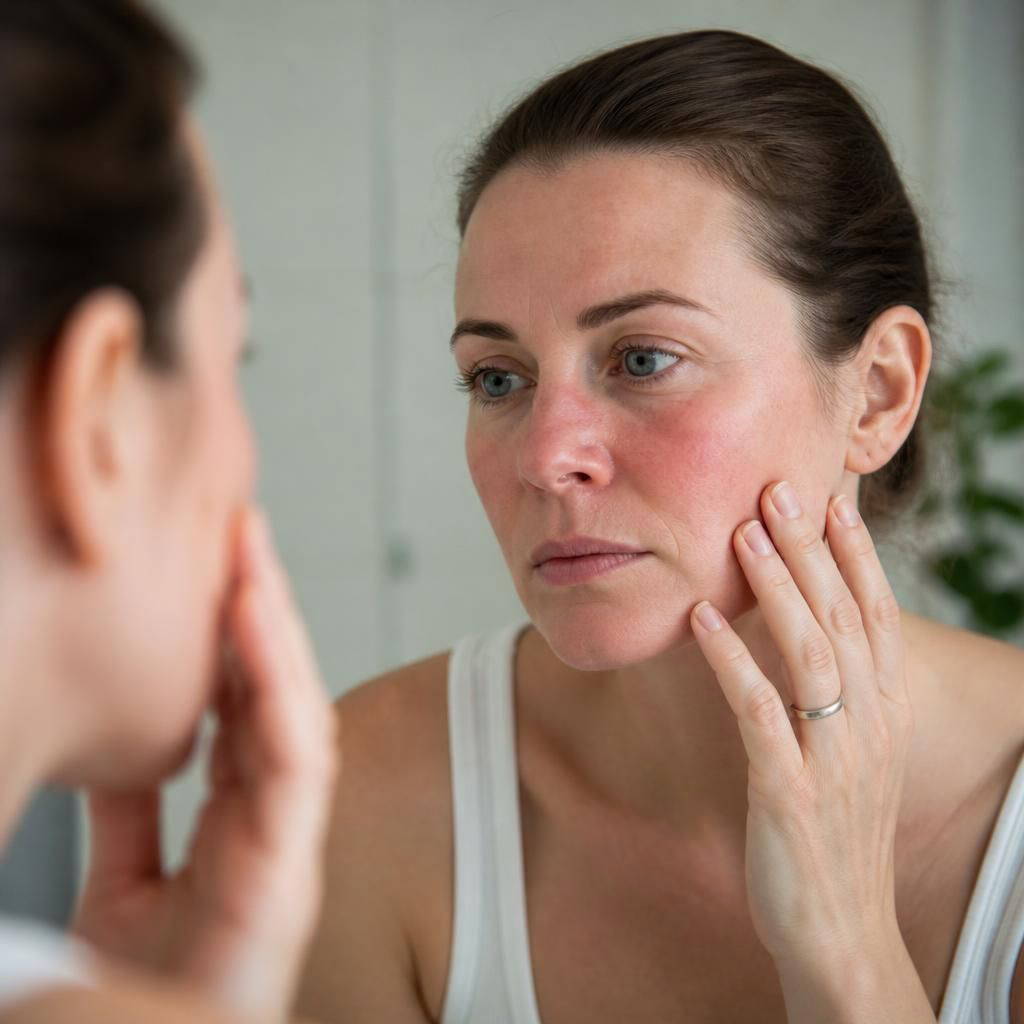
Rosacea is a chronic skin condition characterized by redness, visible blood vessels, and sometimes acne-like breakouts. It primarily affects the face and can cause significant discomfort and self-consciousness for those affected. Melasma, on the other hand, is a pigmentation disorder that leads to brown or grey patches, often on the face. Both conditions can be challenging to manage, and individuals often seek treatments that can provide visible improvements.
The Role of Microneedling
Microneedling involves using a device equipped with fine needles to create controlled micro-injuries in the skin. This process stimulates the body’s natural wound healing response, resulting in increased collagen and elastin production. For individuals with rosacea, microneedling can help reduce redness and improve skin texture. However, it is important to note that microneedling should be performed cautiously on rosacea-prone skin to avoid exacerbating the condition.
Benefits for Melasma
When it comes to melasma, microneedling can be beneficial by enhancing the penetration of topical treatments such as hydroquinone or tranexamic acid. This can lead to more effective management of pigmentation issues. Additionally, the collagen-stimulating effects of microneedling may help improve the overall appearance of the skin, making discolorations less noticeable. However, as melasma is often influenced by hormones and sun exposure, it is essential to combine microneedling with other protective measures, such as sunscreen and hormonal management, for optimal results.
Microneedling can offer a promising adjunctive treatment for both rosacea and melasma, but it should be approached with a comprehensive understanding of each condition. For rosacea sufferers, microneedling can help reduce the intensity of redness and improve the skin’s texture, but it is not a standalone solution. It is essential to combine it with other targeted treatments and lifestyle modifications to manage rosacea effectively.
For individuals dealing with melasma, microneedling can enhance the absorption of topical agents that target pigmentation, potentially leading to more noticeable improvements. However, managing melasma often requires a multifaceted approach, including sun protection and hormonal regulation, to achieve and maintain results.
Overall, while microneedling presents a valuable option for addressing specific skin concerns like rosacea and melasma, it is crucial to seek advice from a trained skincare professional. They can provide a tailored treatment plan that considers the unique needs of your skin and maximizes the potential benefits of microneedling.