
Microneedling is a non-invasive cosmetic procedure aimed at enhancing the quality of your skin by stimulating collagen and elastin production. During a typical microneedling session, tiny needles are used to create micro-injuries in the skin, prompting a natural healing process that rejuvenates the treated area. Clients can expect to see improvements in skin texture, firmness, and overall appearance, making it a popular choice for those seeking to address issues such as fine lines, acne scars, or enlarged pores.
Preparation and Consultation
Before undergoing microneedling, a thorough consultation with a qualified practitioner is essential. During this consultation, your practitioner will assess your skin type and discuss your specific goals and concerns. They will also provide pre-treatment instructions, which may include avoiding sun exposure, retinoids, and certain skincare products that could increase skin sensitivity. This preparatory phase ensures that your skin is in optimal condition for treatment, maximising the potential for successful results.
The Microneedling Procedure
On the day of the treatment, your practitioner will cleanse your skin and apply a topical anaesthetic to minimise discomfort. The microneedling device, equipped with fine needles, is then used to create controlled micro-injuries across the target area. The depth and intensity of the needle penetration are adjusted according to the specific needs of your skin. The procedure typically lasts between 30 to 60 minutes, depending on the size of the area being treated. While discomfort is generally minimal, you might experience a sensation similar to light sandpaper being moved across your skin.
Post-Treatment Care and Results
After the procedure, it is normal to experience some redness and mild swelling, akin to a sunburn, which typically subsides within a few days. Your practitioner will provide detailed aftercare instructions, which often include using gentle skincare products and avoiding sun exposure to aid the healing process. While some improvements may be visible shortly after treatment, optimal results are usually observed after several weeks as collagen production continues. For best results, multiple sessions may be recommended, typically spaced four to six weeks apart.
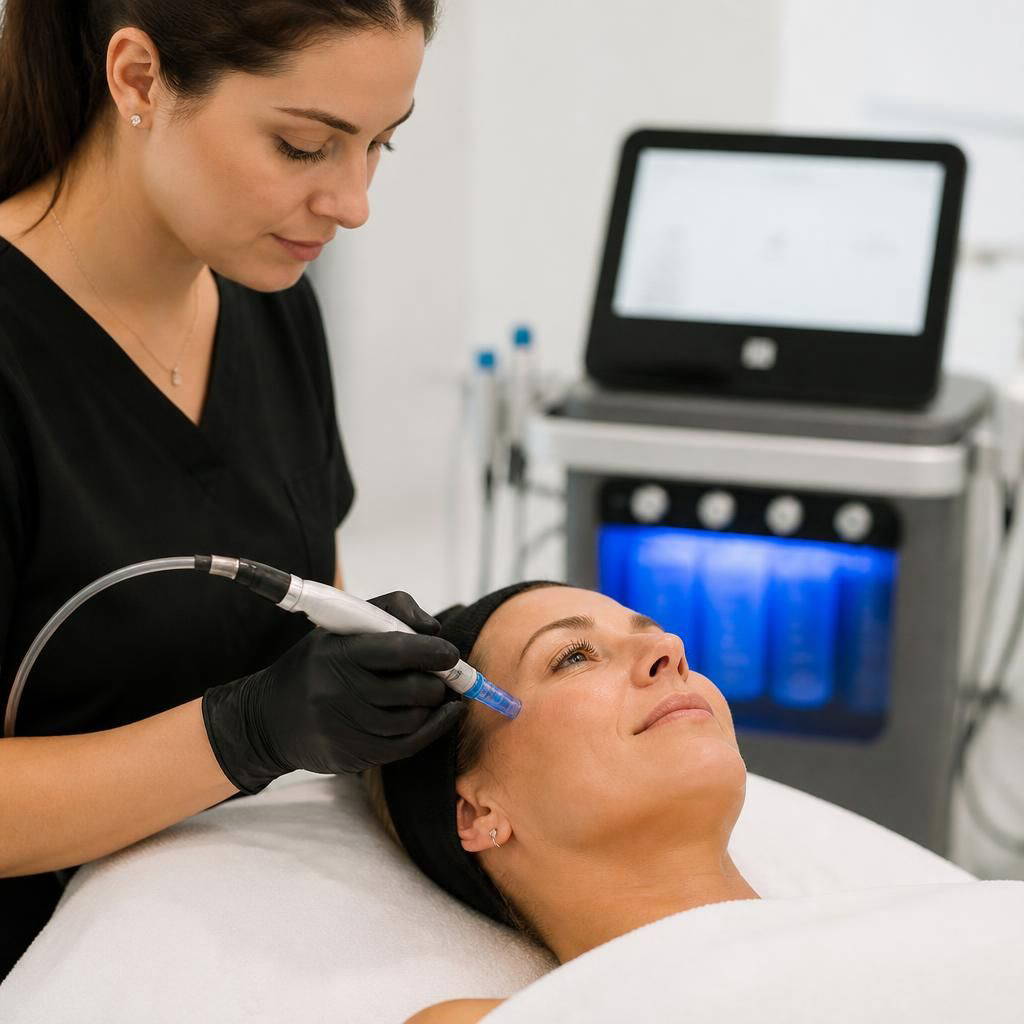
Microneedling is highly regarded for its ability to improve the skin’s texture and appearance, making it a go-to treatment for many seeking to enhance their skin quality. The procedure’s minimal downtime and natural approach to skin rejuvenation contribute to its popularity. Clients appreciate the gradual improvement in their skin, which can include reduced fine lines, diminished scars, and a more even skin tone.
One of the key benefits of microneedling is its versatility. It can be safely performed on various skin types and tones, addressing a wide range of concerns. This adaptability makes it an attractive option for individuals looking to address specific issues without resorting to more invasive treatments. Additionally, microneedling can be combined with other procedures, such as chemical peels or serums, to enhance results.
Ultimately, microneedling offers a promising solution for those seeking to improve their skin quality through a minimally invasive procedure. By promoting the body’s natural healing process, it provides a safe and effective way to achieve a healthier, more radiant complexion. As with any cosmetic treatment, consulting with a qualified practitioner is crucial to ensure the best possible outcome.