
Collagen booster shots, often known as skin boosters, are a popular aesthetic treatment aimed at reducing wrinkles and enhancing overall skin quality. The frequency of these treatments can vary depending on individual skin conditions, age, and specific goals. However, a commonly recommended schedule for optimal results is an initial course of 2 to 3 treatments spaced around 2 to 4 weeks apart, followed by maintenance sessions every 6 to 12 months.
Understanding Collagen Booster Shots
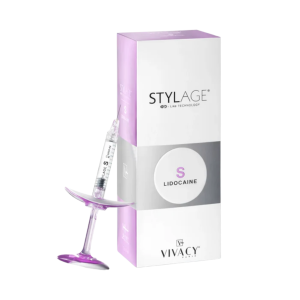
Collagen booster shots are injectable treatments that deliver hyaluronic acid or other active ingredients directly into the skin. These ingredients work to hydrate and plump the skin, promoting the body’s natural collagen production. This process helps to diminish the appearance of fine lines and wrinkles, providing a smoother and more youthful complexion. The treatment is minimally invasive, making it a convenient option for those seeking subtle yet effective anti-ageing solutions.
Factors Influencing Treatment Frequency
The frequency of collagen booster shots can be influenced by several factors, including the patient’s age, skin type, and lifestyle. Younger individuals may require less frequent treatments as their skin naturally produces more collagen. In contrast, older patients might benefit from more regular sessions to maintain results. Additionally, factors such as sun exposure, smoking, and skincare routines can impact how often treatments are needed.
Consultation with a Professional
Before deciding on a treatment schedule, it is essential to consult with a qualified aesthetic practitioner. They can assess your skin’s condition and recommend a personalised treatment plan. This consultation will help determine the ideal frequency of collagen booster shots tailored to your specific needs, ensuring optimal results and a natural-looking enhancement.
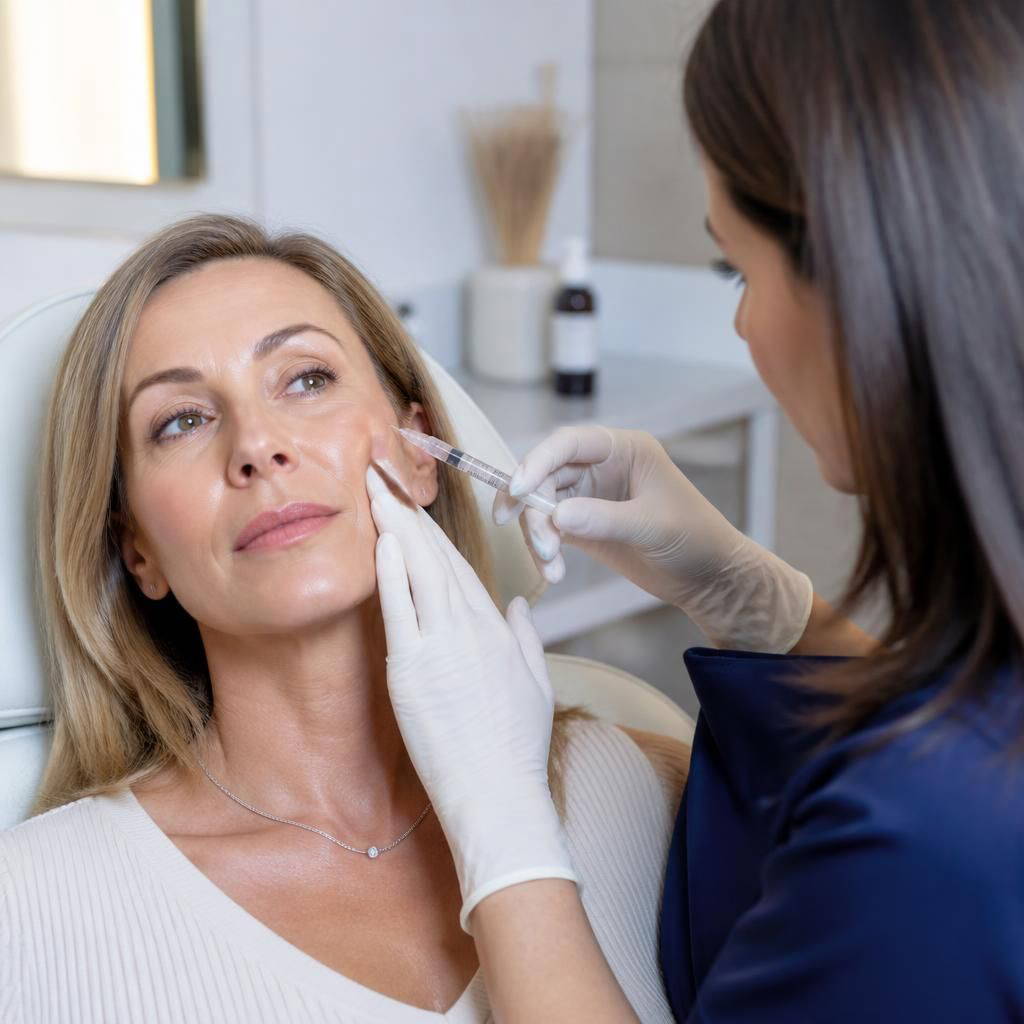
For those considering collagen booster shots, understanding the recommended treatment schedule is crucial for achieving the best results. Initially, a series of 2 to 3 treatments spaced a few weeks apart is often advised to establish a solid foundation for collagen production. This initial phase helps to stimulate the skin effectively, setting the stage for long-term improvements.
After completing the initial course, maintenance treatments are typically recommended every 6 to 12 months. This ongoing care helps to sustain the benefits achieved during the initial phase, ensuring that the skin remains hydrated and youthful in appearance. The maintenance schedule can be adjusted based on individual response and skin condition.
Ultimately, the exact frequency of collagen booster shots should be determined in consultation with a qualified practitioner. They can provide guidance based on your unique skin needs, allowing for a tailored approach that maximises the effectiveness of the treatment and delivers the desired anti-ageing effects.