
Polynucleotide injections are a popular treatment in the UK for enhancing skin health and appearance. During the procedure, you can expect a series of injections administered by a trained professional. The treatment is designed to rejuvenate and revitalise the skin by promoting cellular activity and improving elasticity. After the procedure, patients may experience mild swelling or redness, but these effects typically subside within a few days. The results are gradual and can include improved skin texture and hydration.
Understanding Polynucleotide Injections
Polynucleotide injections are derived from DNA fragments that stimulate skin regeneration. This treatment is particularly effective for individuals seeking to address signs of ageing, such as fine lines, wrinkles, and sagging skin. The procedure involves injecting these polynucleotides into the dermal layers of the skin, where they work to promote tissue repair and collagen production. This leads to a natural enhancement of the skin’s appearance over time.
The Procedure Experience
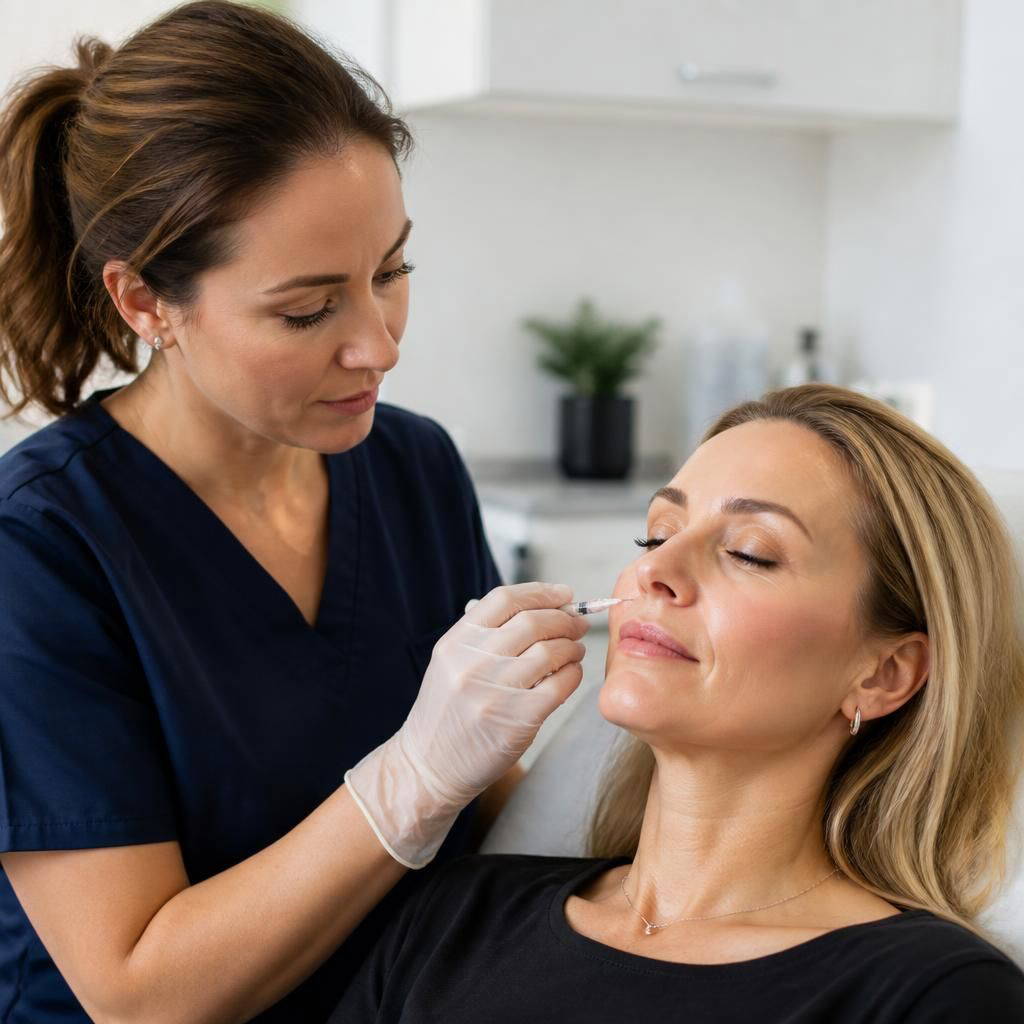
During a polynucleotide injection session, the practitioner will cleanse the treatment area and may apply a topical anaesthetic to minimise discomfort. Using a fine needle, the polynucleotide solution is injected into targeted areas. The procedure typically lasts 30 to 60 minutes, depending on the treatment area and individual needs. Patients often report minimal discomfort, and the process is relatively quick with no downtime required, allowing individuals to resume their daily activities soon after.
Post-Treatment Care and Expectations
After receiving polynucleotide injections, it is normal to experience some temporary side effects such as swelling, redness, or bruising at the injection sites. These are generally mild and resolve within a few days. It is important to follow the practitioner’s aftercare instructions, which may include avoiding excessive sun exposure and refraining from using certain skincare products temporarily. Results can vary, but many individuals notice improvements in skin texture and hydration within a few weeks, with optimal results typically visible after a series of treatments.
Polynucleotide injections are considered safe when performed by qualified professionals. The treatment works by enhancing the skin’s natural ability to regenerate, making it an appealing option for those seeking non-surgical skin rejuvenation. By supporting collagen production and cellular repair, the injections help to restore a youthful appearance.
The gradual nature of the results means that improvements are subtle and natural-looking, making it an excellent choice for individuals looking to enhance their skin without dramatic changes. Regular sessions may be recommended by practitioners to maintain the benefits and extend the longevity of the results.
Overall, polynucleotide injections offer a promising solution for skin revitalisation. With proper care and adherence to aftercare guidelines, patients can enjoy a refreshed and rejuvenated complexion. It is always advisable to consult with a knowledgeable practitioner to determine the most suitable treatment plan tailored to your specific skin needs.