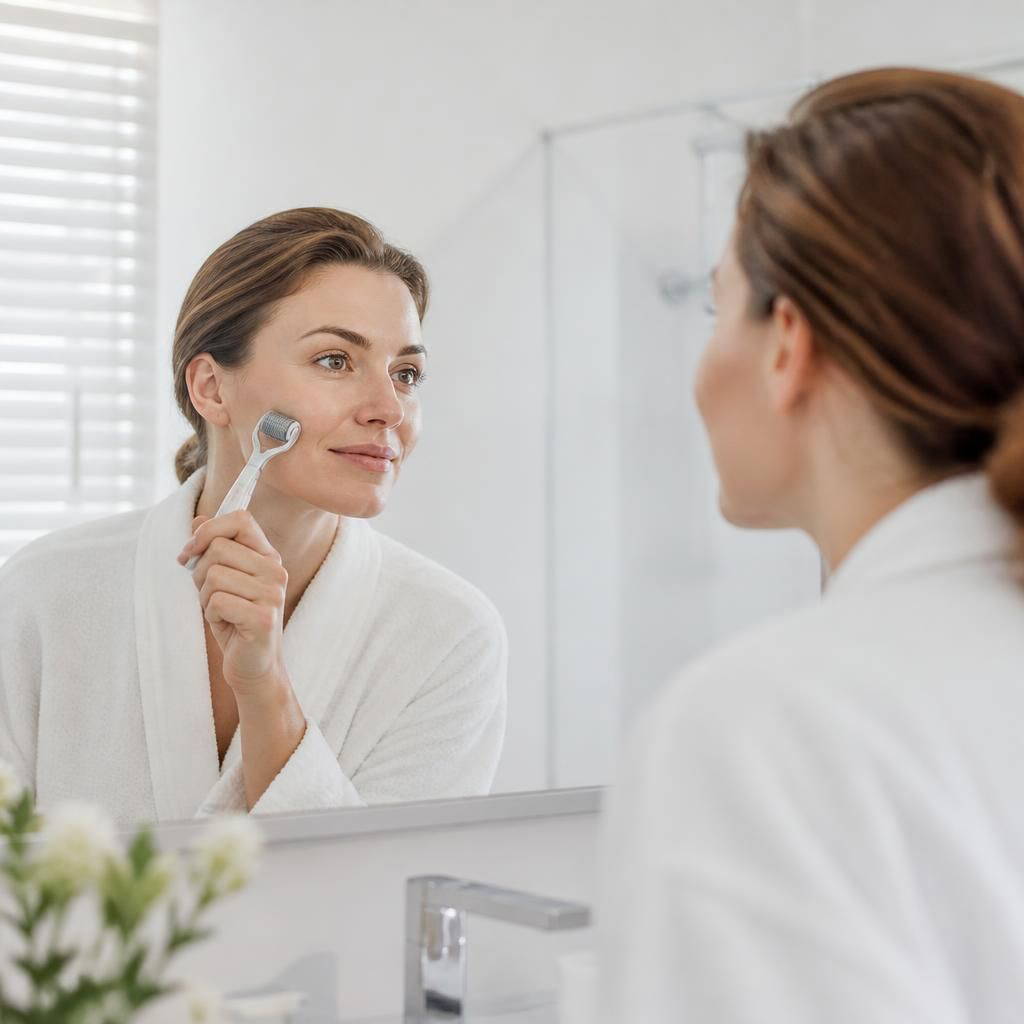

When selecting the best at-home microneedling device, it is crucial to consider several factors such as needle length, device quality, and your specific skin concerns. These elements will significantly influence the effectiveness and safety of your microneedling experience, ensuring that you achieve optimal results without causing harm to your skin.
Needle Length
The length of the needles on a microneedling device is a critical factor in determining its suitability for at-home use. Devices with shorter needles, typically ranging from 0.2 to 0.5 millimetres, are generally safer for home use and can effectively address superficial skin issues such as fine lines and minor texture irregularities. Longer needles, often used in professional settings, penetrate deeper into the skin and are better suited for more severe concerns, such as deep scars or significant skin laxity, but they require professional supervision to avoid complications.
Device Quality
Investing in a high-quality microneedling device is essential for ensuring both safety and efficacy. Look for devices that are made from durable materials and have a reputable brand behind them. It is advisable to read reviews and possibly consult with skincare professionals to ensure that you are purchasing a device that meets safety standards and offers reliable performance. Quality devices not only last longer but also provide consistent results, reducing the risk of skin damage.
Skin Concerns and Goals
Understanding your specific skin concerns and goals is vital when choosing a microneedling device. Whether you aim to reduce the appearance of fine lines, improve skin texture, or enhance product absorption, identifying your primary objectives will guide you in selecting the most appropriate device. For example, if your primary concern is ageing skin, a device designed to boost collagen production might be most beneficial. Conversely, if you are more concerned with pigmentation, selecting a device that aids in skin tone evening could be more appropriate.
It is important to consider your skin type and sensitivity before deciding on a microneedling device. Individuals with sensitive skin or specific conditions such as rosacea should proceed with caution, as microneedling can exacerbate these issues if not done correctly. Consulting with a dermatologist can provide personalised advice, ensuring that the treatment aligns with your skin’s needs.
Additionally, hygiene is paramount when using a microneedling device at home. Ensure that the device can be easily sterilised and that you follow strict cleaning protocols to prevent infection. Disposable needle cartridges are a convenient option, as they reduce the need for extensive cleaning and minimise the risk of contamination.
Finally, consider the cost and availability of replacement parts. Microneedling devices may require regular replacement of needles or cartridges. Understanding the long-term cost implications can help you make a more informed decision, ensuring that the device remains a viable part of your skincare routine.